Work completed
Across the recorded project work from 22 September to the 4 October 2026 audit, 9,169 non-approval-review threads yielded 234,649 recorded model responses, 22,409,909,479 tokens (22.121 billion input and 289.029 million output, including reasoning), and approximately 2,100 hours 19 minutes of summed recorded turn time; 20.810 billion input tokens were cached, about 94.1% of input. These are overlapping thread intervals that include tool/network waits, rather than human labour hours or measured inference time. The operational programme recorded 10,158 attempts: 8,396 research, 1,125 scouting, 537 review and 100 strategy attempts, with 7,711 decided review cases across screening, examination and dedicated review. Its 7,290 returned research records included 3,745 worker-labelled useful results, which include repeated/limited leads and corrections rather than that many independent scientific discoveries. Worker records list 38,010 source checks spanning 24,221 distinct URLs.
How to read the ranking and scores
Promising means a useful next research opportunity, judged from source identity, preparation correspondence, endpoint quality, investigator independence, plausible upside and how decisively the next computational/source question could change the conclusion. Scores are separate ordinal judgments, not a formula for the ranking, potency estimates, safety ratings, probabilities of success or clinical recommendations. A toxin can have strong evidence but little prospect of a desirable effect. The two nutrition/conservation entries have different outcomes and are placed together at the end of the known-use section; their significance scores describe their own application, so they should not be compared numerically with drug leads.
| Stars | Significance of discovery | Strength of evidence for this exact lead | Novelty / how overlooked the native link appears |
|---|---|---|---|
| No useful contribution established | No supported positive-effect bridge | Effect/use already well known | |
| Narrow pointer or useful boundary | Preliminary source, biochemical, historical or identity-limited evidence | Established lead; mainly a refinement | |
| Specific early opportunity or consequential correction | Credible but limited chemistry/cell/animal chain | Some under-recognised detail in a familiar lead | |
| Substantial research opportunity or important source correction | Functional/animal evidence, limited human evidence, or a well-supported conservation chain | Native link is appreciably under-recognised | |
| Particularly consequential opportunity or correction | Replicated narrow human benefit or strong species-linked neural/toxic evidence | Overlooked species-linked effect hypothesis | |
| Transformative demonstrated discovery | Robust exact-material human benefit | Exceptionally underexplored link in the checked research |
Novelty is provisional. Finding a native species containing a compound whose pharmacology is already published can be a useful overlooked link; it does not establish a world-first effect or patent novelty. Traditional-use records belong in the known-use section even when efficacy is untested. Some groups contain both known source chemistry and newly scrutinised effect hypotheses.
Evidence terms. A chemical detection establishes that an author identified a compound in a particular sample. A cell-free enzyme or receptor assay establishes a biochemical interaction; a neuronal assay tests cells or tissue. Animal behaviour adds an organism-level outcome, and a controlled human trial addresses a defined population and test product. These steps cannot substitute for one another. Reduced movement can reflect motor impairment; forced-swim/tail-suspension immobility is a depression-related animal surrogate; injury-model improvement need not mean enhancement of healthy function. NREM denotes non-rapid-eye-movement sleep measured with sleep recording. A voucher is a deposited specimen that helps anchor organism identity; an enantiomer is one of a pair of mirror-image chemical forms that can act differently.
Linked table of contents
Scroll the table horizontally to see all ratings.
A = overlooked effect hypothesis or newly clarified native link. B = previously known pharmacology, toxicity, historical use or biological topic. Each rating shows five star positions; filled stars indicate the rating. Outlined stars are unfilled positions. Entries follow the same order below.
| Rank | Species, genus or useful group | Suspected effect or application | Significance | Evidence | Novelty |
|---|---|---|---|---|---|
| A1 | Ipomoea cairica | Stress-related mood; conditional anxiety; pain | |||
| A2 | Psilotum nudum; qualified Libocedrus comparison | Anxiety; seizure-network modulation | |||
| A3 | Phlegmariurus varius | Cholinergic cognition in impaired populations | |||
| A4 | Kunzea robusta; study-labelled K. ericoides | Sleep promotion; enzyme and injury-related leads | |||
| A5 | Peperomia leptostachya; P. tetraphylla | Stress-related mood; impaired-memory hypotheses | |||
| A6 | Agathis australis — kauri | Inhibitory modulation; motor suppression | |||
| A7 | Anisotome pilifera | Context-dependent cognition; anxiety; seizure effects | |||
| A8 | Gingidia amphistoma | Depression-surrogate; excitability hypotheses | |||
| A9 | Cladonia confusa | Neurite growth; neuronal differentiation | |||
| A10 | Veronica hookeri; Ricciocarpos natans comparison | Stress-associated anxiety hypothesis | |||
| A11 | Carex pumila | Memory-model; monoamine and serotonin hypotheses | |||
| A12 | Scytothamnus australis | Conditional sleep-promoting phlorotannin hypothesis | |||
| A13 | Cassytha pubescens | Serotonergic/adrenergic antagonism; drug-challenge modulation | |||
| A14 | Aristotelia serrata — makomako | Nicotinic/channel inhibition; sensory pain hypothesis | |||
| A15 | Lycopodiella cernua / Palhinhaea cernua | Impairment-model cognition; neuronal-cell protection | |||
| A16 | Anisotome antipoda; Libocedrus bidwillii | Motor suppression; conditional sedation | |||
| A17 | Dactylanthus taylorii | Tonic inhibition; conditional sedation | |||
| A18 | Leionema nudum | Motor modulation; uncertain mood relevance | |||
| A19 | Shawia paniculata; Gaultheria antipoda comparison | Conditional mood/anxiety; triterpene hypotheses | |||
| A20 | Ophioglossum petiolatum; Phyllocladus trichomanoides and P. toatoa | Excitability; synaptic and glial function | |||
| A21 | Ecklonia radiata; Macrocystis pyrifera; Hormosira comparison | Conditional attention; neuronal injury protection | |||
| A22 | Bolboschoenus fluviatilis / Scirpus fluviatilis | Glutamate handling; cellular injury response | |||
| A23 | Pittosporum tenuifolium | Conditional anxiety-related modulation | |||
| A24 | Ipomoea pes-caprae | Weak memory-task; neuronal excitability hypothesis | |||
| A25 | Drosera auriculata; D. stenopetala | Conditional stress-behaviour; quinone toxicity | |||
| A26 | Cladonia chlorophaea; Lobaria pindarensis | Enzyme inhibition; cell-injury modulation | |||
| A27 | Coprosma species — several distinct compound hypotheses | Conditional anxiety; injury/cognition; weak attention hypothesis | |||
| A28 | Trametes/Pycnoporus cinnabarinus; T. coccinea; T. versicolor | Glutamatergic function; weak transport/behaviour links | |||
| A29 | Pectinopitys ferruginea; Prumnopitys taxifolia | Injury-model cognition/motor hypotheses | |||
| A30 | Ozothamnus leptophyllus; Traversia baccharoides; Brachyglottis cassinioides | Injury-related cognition; neuronal-cell protection | |||
| A31 | Cuspidatula kirkii; Reboulia hemisphaerica; qualified Frullania/Balantiopsis | Peripheral pain-response; conditional cannabinoid-related hypotheses | |||
| A32 | Fuscospora fusca; qualified F. solandri/F. truncata comparison | Excitability; injury-protection hypotheses | |||
| A33 | Gentianella serotina | Conditional memory; sensory gating | |||
| A34 | Veronica pulvinaris; Plantago raoulii and P. unibracteata; Utricularia australis | Conditional injury-cognition; pain-state anxiety | |||
| A35 | Parmelia sulcata; Acarospora fuscata | Weak anxiety-like; neurite/cell hypotheses | |||
| A36 | Pertusaria dennistonensis; Coniocarpon cinnabarinum | Cell-neurite; biochemical cholinergic hypotheses | |||
| A37 | Bryum argenteum; B. pseudotriquetrum; Polytrichum juniperinum | Very early anxiety/cell; mixed-extract motor observations | |||
| A38 | Solanum aviculare / S. laciniatum; Pyrrosia serpens | Injury/cellular leads; conditional ion-channel function | |||
| A39 | Hymenophyllum nephrophyllum; Pteris tremula; Pellaea rotundifolia; Asplenium trichomanes; Dicranopteris linearis | Neuronal-cell injury; weak memory/pain hypotheses | |||
| A40 | Pterophylla racemosa; Schefflera digitata; Acaena microphylla; Geniostoma ligustrifolium | Cholinesterase/BACE1 extract screening | |||
| A41 | Austroderia toetoe | Conditional synaptic and drug-sleep interaction | |||
| A42 | Melicope ternata; M. simplex | Weak muscarinic-binding; drug-sleep interaction | |||
| A43 | Mucor moelleri / Zygorhynchus moelleri | Conditional sleep-like depression | |||
| A44 | Sepedonium ampullosporum | Hypothermia; motor suppression; membrane activity | |||
| A45 | Astelia solandri; Typha orientalis; Lemna source hypotheses; Ourisia macrocarpa; Neomyrtus pedunculata | Glial differentiation; cellular injury hypotheses | |||
| A46 | Centipeda minima | Restricted cell-injury protection | |||
| A47 | Rorippa palustris | Provisional extract motor suppression | |||
| A48 | Thismia rodwayi | Volatile identity leads; toxic-injury comparators | |||
| A49 | Hericium novae-zealandiae; Pleurotus australis; Flammulina stratosa | Weak enzyme/chemistry leads; rejected cognition transfer | |||
| A50 | Conoideocrella luteorostrata; Orbilia/Arthrobotrys comparison | Insect/nematode toxicity; no beneficial CNS bridge | |||
| A51 | Glossostigma, Euphrasia, Frullania and other source-corrected taxa | Identity corrections; positive effects not established | |||
| B1 | Sophora — eight native kōwhai species | Nicotine dependence/craving; qualified dream/learning observations | |||
| B2 | Radula marginata | Cannabinoid syndrome; weaker seizure hypothesis | |||
| B3 | Perna canaliculus — green-lipped mussel | Transient extract-specific recognition-memory signal | |||
| B4 | Tetragonia tetragonoides; T. trigyna boundary | Extract-level depression-surrogate; challenged memory | |||
| B5 | Laurelia novae-zelandiae — pukatea | Restricted dopaminergic activity; historical pain/sedation | |||
| B6 | Piper excelsum — kawakawa; P. melchior boundary | Molecular neurophysiology; conditional sensory/pain effects | |||
| B7 | Leptospermum scoparium; modern-taxon boundary | Historical sedation; provisional receptor/motor; insect learning | |||
| B8 | Pseudowintera colorata; P. axillaris boundary | Peripheral sensory/pain-channel effects | |||
| B9 | Dodonaea viscosa | Historical stimulation; provisional anxiety/drug-sleep effects | |||
| B10 | Psilocybe and other psilocybin-assayed fungi — NZ links qualified | Known psychedelic pharmacology; specimen-specific chemistry | |||
| B11 | Inocybe scissa; provisional I. caerulata | Muscarinic cholinergic toxicity | |||
| B12 | Urtica ferox — ongaonga | Peripheral pain and neurotoxicity | |||
| B13 | Coriaria arborea — tutu | Convulsant neurotoxicity | |||
| B14 | Corynocarpus laevigatus — karaka | Toxic neurological/motor effects | |||
| B15 | Brachyglottis repanda; Myoporum laetum; Hedycarya arborea | Poisoning-associated weakness/motor signs | |||
| B16 | Poa matthewsii–Epichloë; Echinopogon ovatus–Epichloë; other grass/host boundaries | Ecological feeding/toxicity; no human effect established | |||
| B17 | Sticherus cunninghamii; Hoheria populnea/glabrata; Plagiopus oederianus | Historical narcotic/sedative claims only | |||
| B18 | Parietaria debilis | Traditional mixture anxiety/migraine use | |||
| B19 | Morchella; Armillaria; Pholiota multicingulata | Neurological or gastrointestinal poisoning reports | |||
| B20 | Paratrophis microphylla; P. banksii/P. smithii and Moraceae comparators | Native nutrition/ingredient possibility; composition unknown | |||
| B21 | Prototroctes oxyrhynchus — upokororo; Retropinnidae comparators | Conservation/eDNA search; no psychoactive effect |
1. Species overlooked for these effects
These entries prioritise under-recognised native-species links and effect hypotheses. Often the molecule itself has already been studied elsewhere. A plausible compound hypothesis remains distinct from demonstrated activity of the native species or a benefit for people.
A1Ipomoea cairica

Possible effect and applications. This is one of the strongest overlooked mood-treatment hypotheses in this report. Arctigenin could influence stress-associated behaviour; scopoletin supplies a separate, less specific anxiety hypothesis. The opportunity is to investigate a native-linked source of two chemically distinct candidates, and to test whether their effects survive better control for movement, appetite and inflammatory relief. Neither compound is established as a human antidepressant, and no general effect of the plant follows.
If the compound effects translate to people, the main application would be a new approach to treating stress-related depression, potentially helping mood, motivation and daily functioning. The inflammatory-signalling hypothesis makes this a candidate for studying biologically defined patient groups. A medicine based on an identified compound is a more concrete development goal than a general plant supplement. Better tolerability than existing antidepressants would be valuable, but neither fewer side-effects nor human efficacy has been demonstrated.
Chemicals and mechanisms. The best identity chain is (3R,4R)-arctigenin, a lignan. Reported microglial and inflammatory changes involve HMGB1/TLR4/NF-κB and TNF-α/TNFR1/NF-κB signalling; these are candidate mediators rather than proof of a direct central target. Scopoletin is an achiral coumarin with separate GABA-sensitive behavioural and modest MAO-B assay results. Arctiin, arctigenin and scopoletin are different test materials.
Evidence and confidence. The 1997 chemistry paper identifies Brazilian material with voucher 257337 and an explicit arctigenin stereochemical drawing. The assayed chemical identity matches that drawing. Two mouse stress studies from separate investigator groups report directionally consistent arctigenin forced-swim/sucrose outcomes. The 2019 paper has misplaced figures, inconsistent captions and statistical reporting; feeding and movement changes complicate its anxiety outcomes. The 2020 study is the better anchor, but also supplies no matched free-parent brain measurement. Scopoletin has two independent species-chemistry sources, including Costa Rican stems, but its favourable behaviour is often challenge-dependent. A healthy-mouse open-field result was null. Confidence is moderate in a compound-level animal hypothesis, low in species efficacy and human benefit. These chemical collections were overseas, so they do not establish the composition of New Zealand material.
Next research. Resolve the 2019 figure and reporting inconsistencies, and compare behavioural outcomes with simultaneous movement, feeding and inflammation measures. Determine parent and metabolite brain exposure at the exposures associated with the behavioural results. The arctigenin botanical link depends on one 1997 chemistry source and needs independent confirmation; scopoletin has independent chemical support. Chemistry, 2019 behaviour, 2020 behaviour.
A2Psilotum nudum; qualified Libocedrus comparison
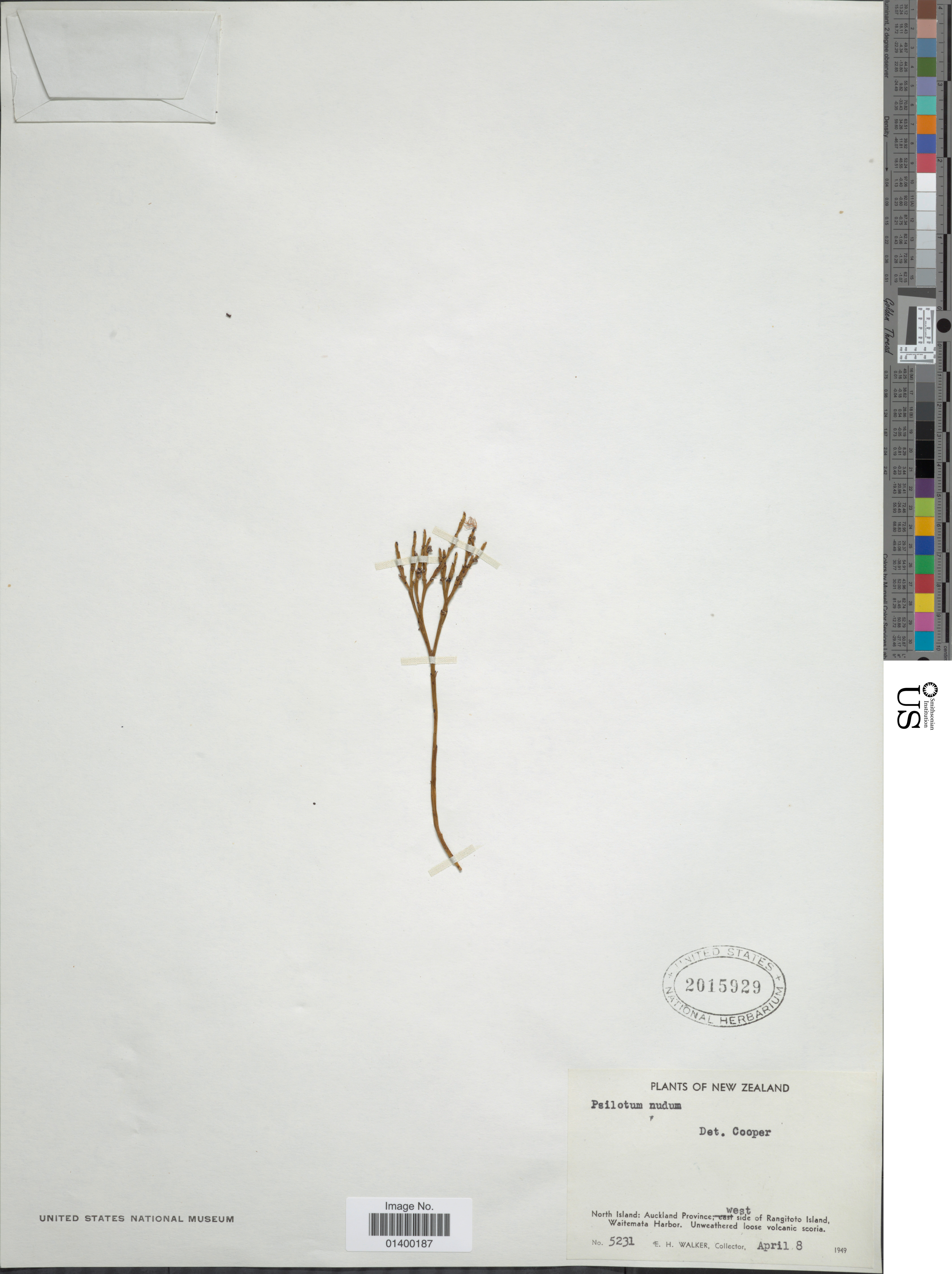
Possible effect and applications. Amentoflavone offers a plausible route to anxiety-related and seizure-network modulation from an under-recognised native fern ally. Its value lies in several different assay types and a strong chemical identification, giving a concrete hypothesis to scrutinise. It is not an established calming plant.
For people, the longer-term goal would be an anxiety treatment that relieves distress without impairing alertness, or a compound that helps control particular seizure networks. Those are separate development questions: negative GABA_A modulation cannot simply be assumed to calm the brain. Amentoflavone could also be a starting point for designing more selective medicines. The evidence does not yet justify a calming supplement, and fewer side-effects would need to be demonstrated against existing treatments.
Chemicals and mechanisms. Amentoflavone is a biflavonoid. Functional κ-opioid antagonism and negative GABA_A modulation have been reported in different preparations; these mechanisms should not be collapsed into a simple sedative story. Recombinant receptor results, neuronal currents and whole-animal behaviour have different evidential roles. Its O-glycosides are separate molecules and cannot inherit aglycone activity.
Evidence and confidence. A 2019 study identified amentoflavone in voucher-backed greenhouse-grown P. nudum using chromatography/MS, NMR and an authentic standard. Mouse anxiety/depression reports exist, but their decisive methods remain incomplete or partially accessible. A primary zebrafish study reports increased light-compartment occupancy with a gross movement control. That is useful but does not exclude visual or other sensory explanations. The thesis motor controls were performed on whole Cnestis extract, not isolated amentoflavone; they cannot certify a compound-specific movement null. Measured parent brain exposure after injection was low and does not match the oral behavioural regimens. Apparent aggregation or optical interference in some assays remains a question, not grounds to dismiss every result. Confidence is moderate for real compound pharmacology, low-to-moderate for selective anxiety effects. L. bidwillii and L. plumosa have provisional amentoflavone source links; they share this same pharmacology rather than adding independent discoveries.
Next research. Resolve the incomplete mammalian endpoint methods, reconcile oral dosing with matched unbound brain exposure, and use orthogonal functional results to distinguish κ-opioid action, GABA effects and nonspecific assay responses. Park the botanical glycosides until exact-form experiments exist. Psilotum chemistry, fish study.
A3Phlegmariurus varius
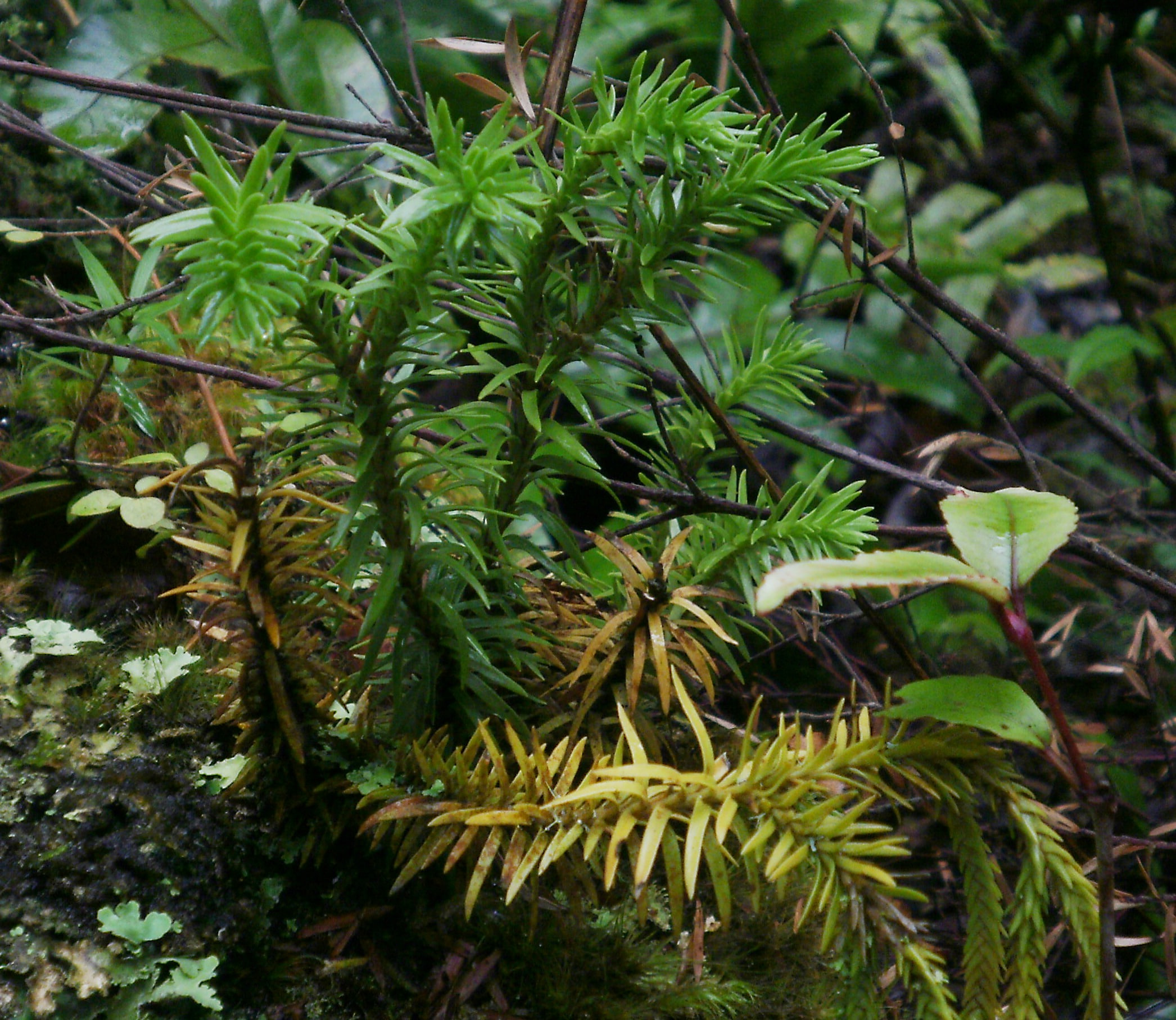
Possible effect and applications. This clubmoss is a particularly useful native chemical-source lead because its reported constituent, huperzine A, has human cognition studies and a defined enzyme mechanism. The promising question is whether authenticated native material provides a reproducible source and whether narrowly defined patient benefits are credible. Healthy cognitive enhancement remains unsupported.
A meaningful human application would be improving memory or everyday functioning in a defined group of people with cognitive impairment, rather than boosting healthy memory. Huperzine A is already a clinically investigated compound, so the native plant opportunity concerns an authenticated chemical source and potentially its biosynthesis. A reproducible supply route could support ingredient production if yield and economics were favourable; the native plant has not been shown to offer a cheaper or better medicine, and the strongest Alzheimer trial was negative on its primary endpoint.
Chemicals and mechanisms. Huperzine A inhibits acetylcholinesterase, the enzyme that breaks down acetylcholine. Ainge et al.'s Campbell Island terrestrial Lycopodium varium collection, voucher PERU940119-01, maps to P. varius under modern nomenclature. The paper’s CAS assignment and NMR/MS support its chemical identification; this does not independently measure enantiomeric purity.
Evidence and confidence. The multicentre Alzheimer trial, with 210 participants, missed its prespecified primary cognitive endpoint. Smaller/less accessible Alzheimer reports, vascular-dementia results and some secondary outcomes were positive. TBI, healthy exercise and perioperative studies do not establish a consistent general benefit; the perioperative result has early-stopping and prespecification limits. These are compound or manufactured-product trials, not clubmoss trials. The native collection provides a specific chemical-source link, while the null primary human outcome limits therapeutic expectations. Confidence is high in the reported source assignment and enzyme pharmacology, mixed for patient efficacy, low for healthy enhancement.
Next research. Build an endpoint-specific trial comparison that respects primary outcomes, disease population and test-product identity. Seek independent voucher-resolved native chemistry, and analyse relevant biosynthesis datasets without treating sequence absence as chemical absence. Further favourable trial summaries are less useful than explaining the differing clinical outcomes. Native chemistry, Alzheimer trial.
A4Kunzea robusta; study-labelled K. ericoides
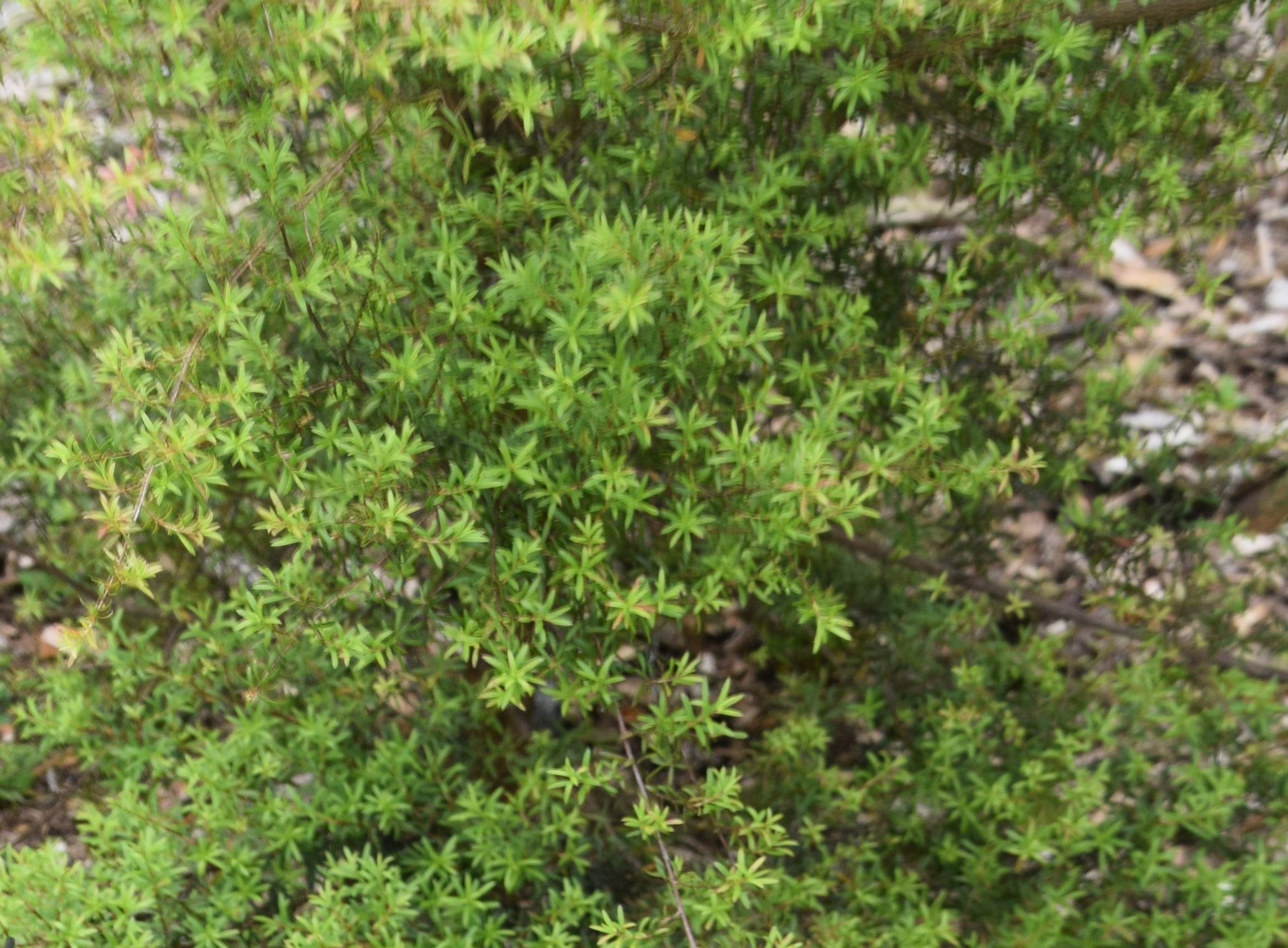
Possible effect and applications. Kānuka has a comparatively concrete preclinical sleep hypothesis because isolated volatiles have been assessed with actual sleep recording, beyond merely observing reduced movement. This could guide research into a reproducible native volatile profile. A separate leaf-extract/constituent hypothesis concerns enzyme inhibition and injury-related repair, not evidence of improved learning.
The practical goal would be a standardized sleep aid that helps people sleep and function better the next day. A reproducible volatile preparation might eventually be developed as a medicinal or wellness product, with a cultivation and processing opportunity if clinical efficacy, composition and sustainable supply were established. Avoiding next-day drowsiness would be an important advantage to test, not an existing finding. The separate leaf-enzyme results are much earlier drug-discovery leads and do not support selling kānuka as a memory supplement.
Chemicals and mechanisms. 1,8-Cineole is the cleanest source-to-assay identity. Linalool and limonene are additional candidates, but their native enantiomers are not fully resolved. A mouse study of lavender and isolated odorants reports NREM sleep effects. Its olfactory/GABA circuit experiments on whole lavender oil do not prove that every monomer uses that circuit. Quercetin is a separate nonvolatile constituent reported from material labelled K. ericoides; BACE1 inhibition by crude leaf extract is another distinct observation.
Evidence and confidence. Primary K. robusta oil chemistry used authentic standards and eleven samples, exposing compositional variation. The sleep experiments used other preparations or isolated chemicals, never that kānuka oil. Older K. ericoides oil studies measured peripheral muscle responses rather than sleep or CNS action, and lack the vouchers needed to identify modern K. robusta. The 2020 quercetin leaf batch is linked to Whareponga Valley material supplied through Nuka Charitable Trust and identified by the provider, but independent voucher authentication remains unestablished. A cell-free BACE1 assay reports an optimized leaf extract IC50 of 14.25 µg/mL; that is not a brain or cognition endpoint. Confidence is moderate for the cineole-linked sleep hypothesis, low for whole-oil benefit or quercetin-based cognitive benefit.
Next research. Join voucher-resolved current Kunzea taxa to quantitative chemical profiles, then compare exact volatiles against the sleep-recording study's preparations and exposure conditions. Determine whether a chemically matched whole oil has independent sleep-recording evidence. For the leaf-extract hypothesis, resolve botanical authentication and assay specificity before prioritising additional memory claims. Sleep paper; the journal article's title concerns lavender, which is why the native link remains a hypothesis.
A5Peperomia leptostachya; P. tetraphylla
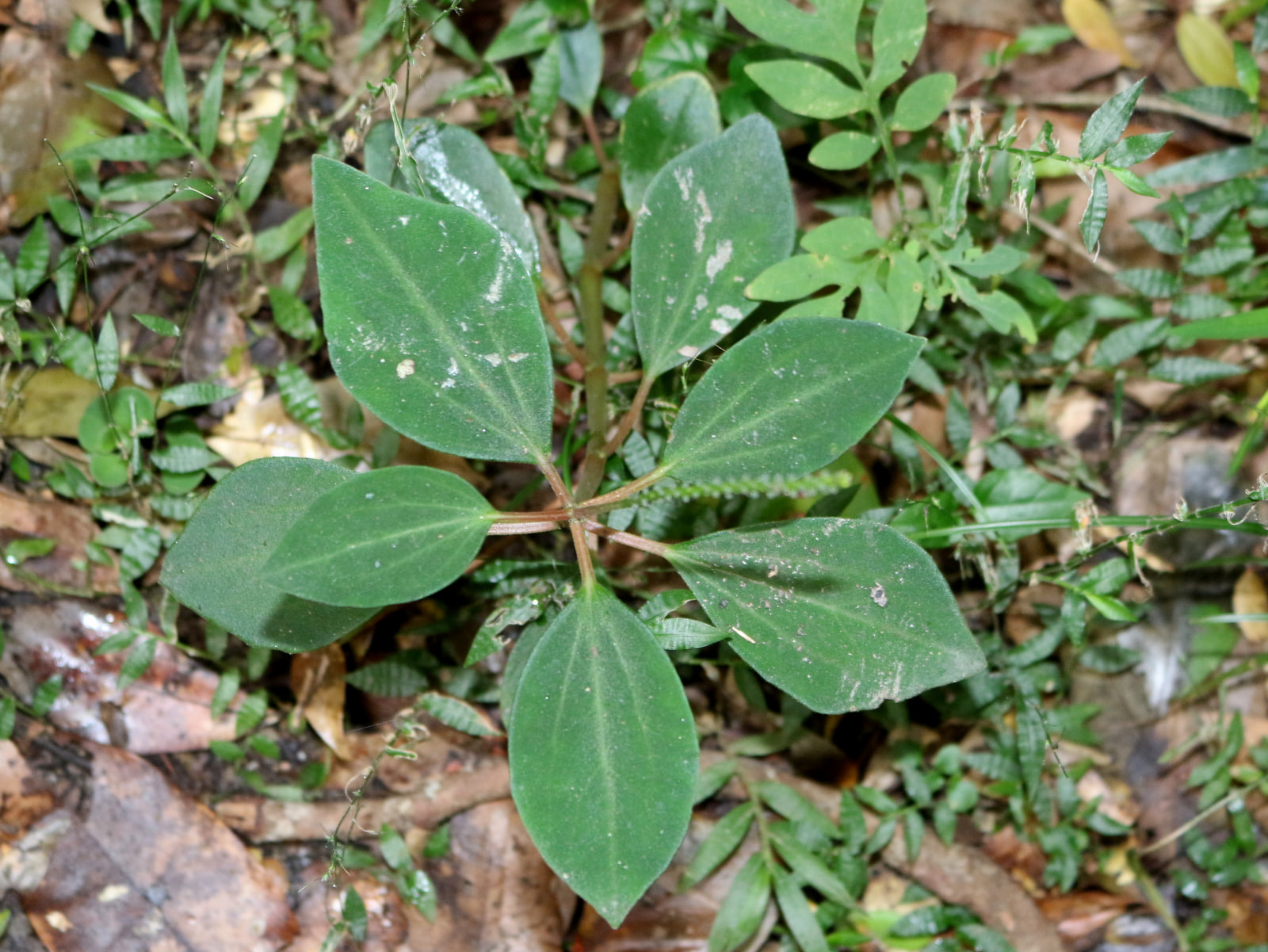
Possible effect and applications. P. leptostachya supplies an exact isofraxidin chemistry link worth pursuing for stress-related behavioural modulation. Its native range includes Raoul Island; the chemistry study used Taiwanese material. This is a useful expansion beyond familiar native medicinal plants, with a concrete identity chain rather than a family analogy.
If the stress-behaviour effects prove selective and translate to humans, isofraxidin could become a starting point for a medicine that eases depressive symptoms and improves daily quality of life. The native species link broadens the chemical sources worth investigating. A standardized ingredient or supplement would require its own composition, exposure and clinical evidence; the animal findings do not establish a benefit from consuming Peperomia.
Chemicals and mechanisms. Isofraxidin is an achiral coumarin. Stress-hormone and inflammatory pathways are associated with its animal results but have not been established as causal central targets. Eugenol, (+)-pinoresinol, betulinic acid and E-N-feruloyltyramine are separate weaker leads. P. tetraphylla's provisional α-asarone occurrence supports a different compound hypothesis; yohimbine-sensitive behaviour does not prove direct α2-receptor action.
Evidence and confidence. The 2008 P. sui whole-plant isolation used voucher Chen 6100; a taxonomic revision places P. sui in P. leptostachya. One 2022 isofraxidin mouse stress study available in full text reports improved sucrose preference and reduced forced-swim/tail-suspension immobility. Movement also increased, endpoint sample counts are inconsistent, and treatment-schedule wording differs. A cognition paper is separate but from the same research programme; its scheduled movement/swim-speed results remain unresolved. Developmental zebrafish toxicity and injury-related motor rescue are separate outcomes. Confidence is moderate in the species chemistry, low-to-moderate in a selective compound mood effect, low in species/human benefit.
Next research. Resolve the published group/sample accounting and cognition movement controls, then seek independent behavioural work and matched exposure. Do not count injury recovery or several outcomes from one study as replication. Chemistry, stress paper.
A6Agathis australis — kauri
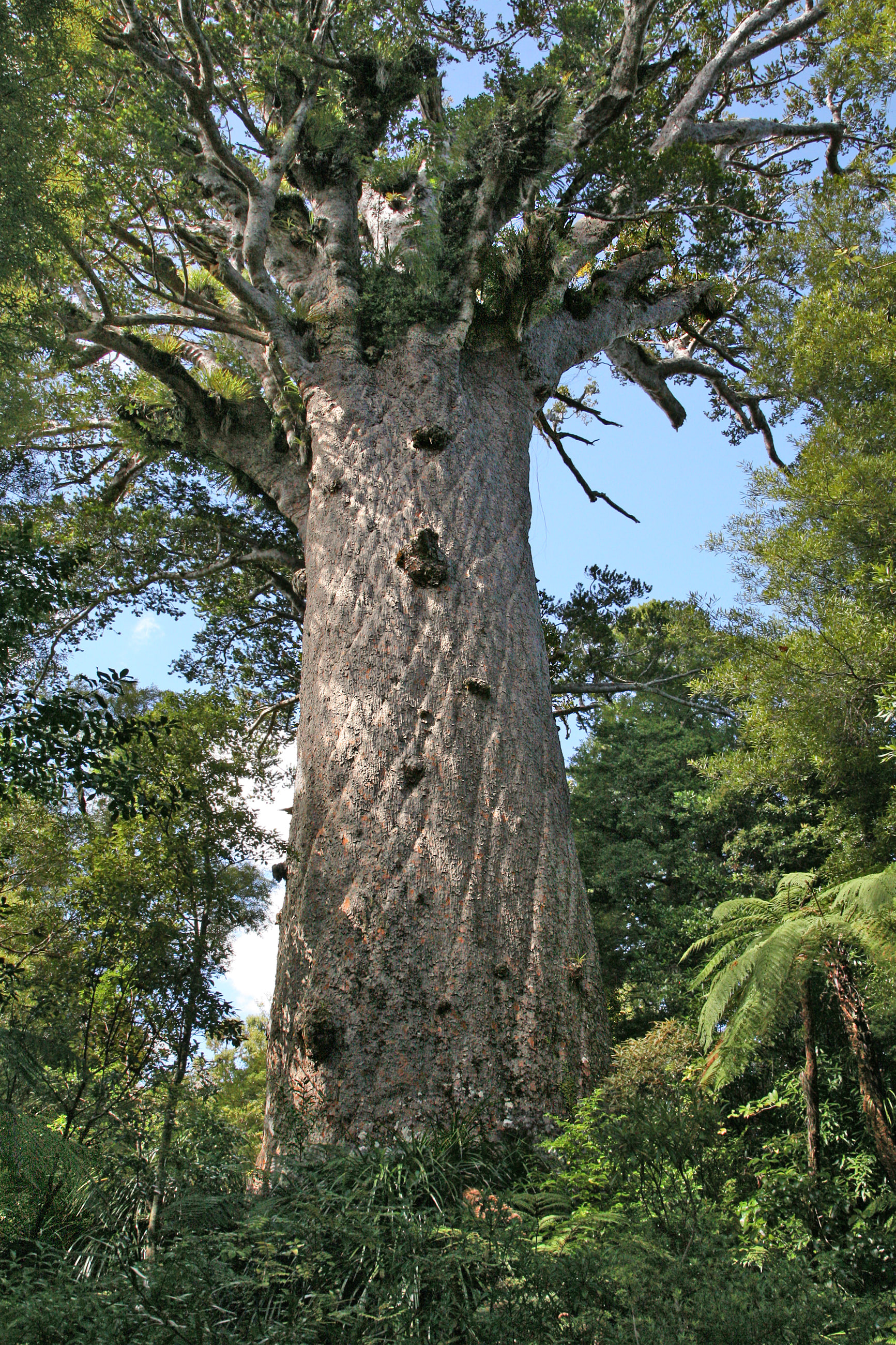
Possible effect and applications. A chemically unusual kauri diterpene provides a useful inhibitory-pharmacology candidate. If selective central action could be separated from peripheral or motor impairment, it might support research into inhibitory signalling. The current behavioural evidence supports reduced ambulation, not established sedation or anxiety relief.
The human development goal would be selective control of excessive neural activity, potentially relevant to anxiety, sleep or seizures if those specific effects can be established. A chemically distinct GABA-modulating scaffold could be useful in designing a medicine. The crucial potential advantage would be separating symptom relief from impaired movement or coordination; the present evidence has not achieved that separation and gives no basis for a kauri-resin supplement.
Chemicals and mechanisms. (-)-Sandaracopimaric acid positively modulates GABA-evoked GABA_A currents. The assay showed potentiation, not direct receptor agonism, and did not establish a unique subtype or binding site.
Evidence and confidence. The original 1966 bled-resin paper depicts all five stereocentres and matches the assayed author-assigned structure. A separate functional/mouse study reports GABA potentiation and reduced distance travelled. Centre-time anxiety measurements were null; spontaneous sleep and coordination were not measured. No matched systemic-to-brain concentration or in-vivo antagonist result closes the mechanism. Confidence is high in the source-assigned chemistry, moderate in functional modulation, low in a specific beneficial behavioural interpretation. Resin chemistry cannot establish a useful or safe kauri preparation.
Next research. Seek published brain exposure and discrimination between sleep, muscle effects and motor impairment. Reanalyse any available behavioural contrasts before another broad target screen. Treat parent acid, ionized solution and resin mixture as distinct materials. Original chemistry, functional study.
A7Anisotome pilifera
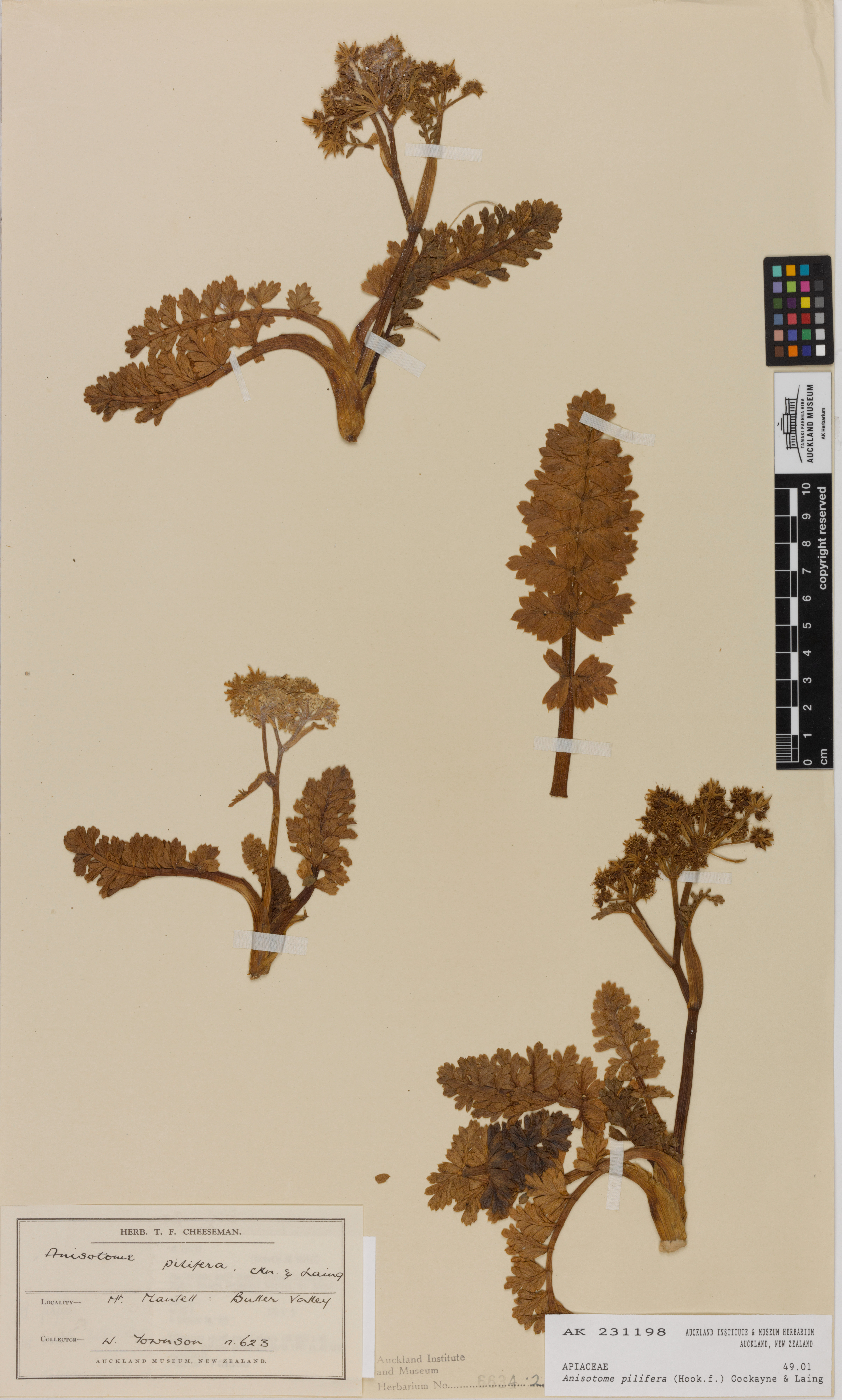
Possible effect and applications. Scoparone creates an authentic native-root-to-compound hypothesis for memory-task and excitability effects. The useful possibility is selective action in particular challenged states, rather than a general calming or memory-enhancing plant.
A possible eventual application is helping people with a specific form of impaired cognition or abnormal neural excitability, if the challenged-animal results translate. Preserving memory and independence would be the patient benefit to measure. The opposing anxiety result makes a general relaxation product a poor development premise; a useful medicine would need a clearly defined indication and exposure window.
Chemicals and mechanisms. Scoparone is a coumarin. Parent detection and metabolism to scopoletin/isoscopoletin support exposure plausibility in separate experiments, without identifying the mediator of the behavioural results.
Evidence and confidence. NZ root chemistry is voucher-backed. One mouse paper available in full text and two 2025 abstract-level reports supply cognition-related outcomes, but investigators overlap and models differ. Acute mouse elevated-plus-maze results were anxiogenic-like; other challenged or repeated tests were inconclusive or null. Seizure/EEG findings support a separate early hypothesis. Whole-brain detection was not corrected for residual blood and is not an unbound target-site measurement. Confidence is moderate in the chemical link, low-to-moderate in narrow compound outcomes, low in any general anxiolytic claim.
Next research. Recover full newer methods, compare direction by model and timing, and determine whether outcomes survive locomotor controls. Preserve the opposing anxiety result when judging cognition or seizure hypotheses.
A8Gingidia amphistoma
Possible effect and applications. Native leaf volatiles include a compound assessed in two independent mouse reports, providing an early stress/mood and excitability hypothesis.
A selective, reproducible effect could support development of a mood-treatment compound, with the aim of easing stress-associated depressive symptoms and improving daily functioning. A characterized volatile ingredient is also conceivable, but leaf aroma or chemical presence alone does not establish a beneficial supplement. Whether the compound can act at useful human exposures is a decisive open question.
Chemicals and mechanisms. The author-assigned dominant volatile is trans-(E)-anethole, a phenylpropanoid, despite its description as a monoterpene in one pharmacology title. Monoaminergic blocker experiments and separate sensory-neuron/seizure work provide hypotheses, not proof of one necessary central pathway.
Evidence and confidence. The species chemistry is SPME-GC/MS abstract-level evidence, not a tested essential oil or whole plant. One behavioural paper is available in full text and the other provides more limited evidence; both describe depression-related behaviour with locomotor measurements. No experiment tested Gingidia material. Confidence is low-to-moderate in the provisional chemical-to-animal link; analytical and exposure details still limit it.
Next research. Recover the original leaf-volatile analytical methods and sample provenance, then compare behavioural studies' material identity, movement controls and investigator independence. A quantitative source-to-exposure comparison would determine whether the plant chemistry is pharmacologically relevant. Chemistry abstract, 2022 animal study, 2019 study.
A9Cladonia confusa
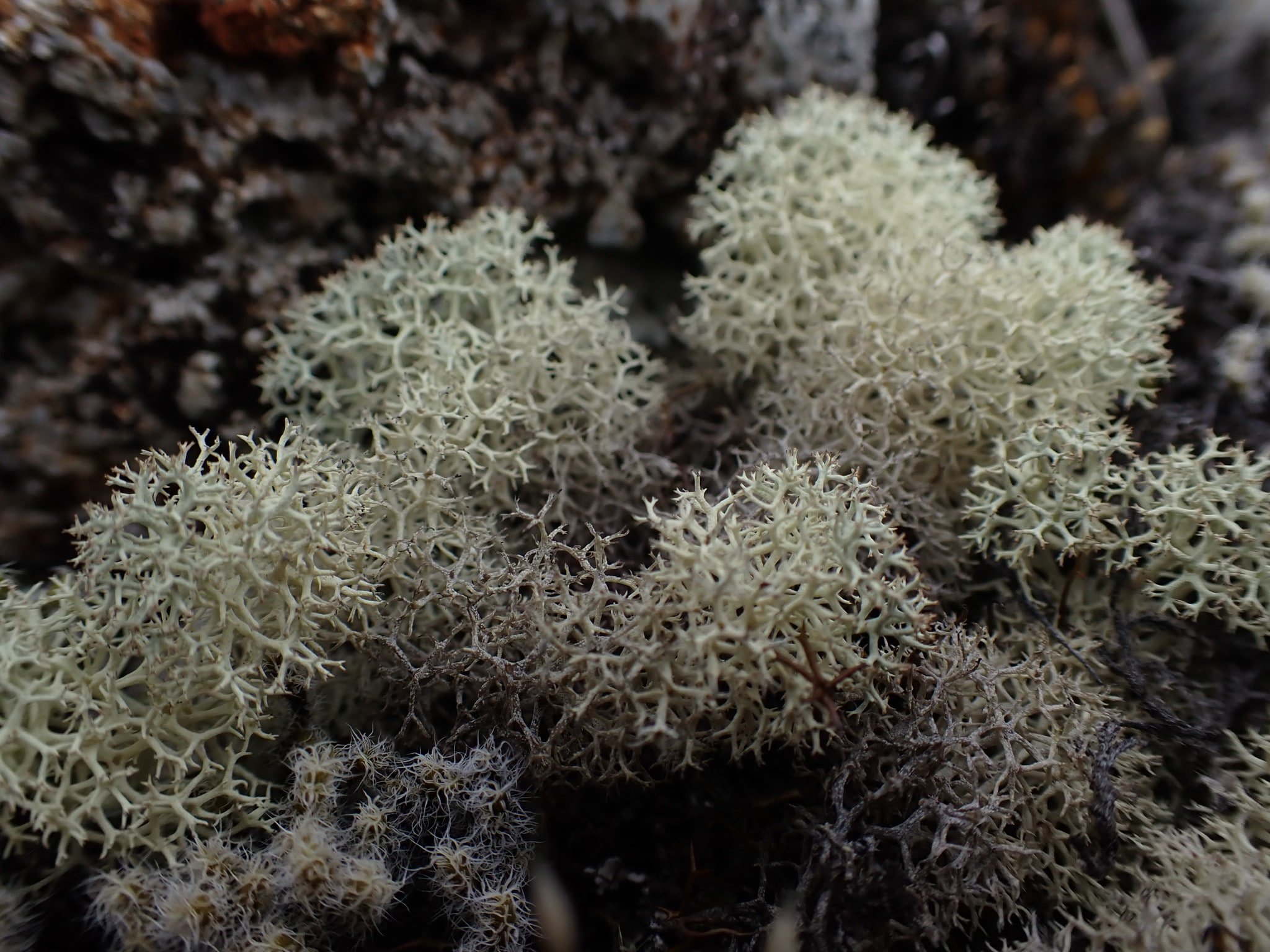
Possible effect and applications. This is a notable overlooked native lichen chemistry-to-cell-function lead. Its potential is as a source of compounds worth studying for neuronal growth or repair, rather than an established cognitive or subjective effect.
The ambitious application would be a medicine that supports nerve-cell repair or recovery after neurological injury. Restoring useful function, rather than merely increasing a cell-growth marker, would be the benefit for patients. Perlatolic acid is presently a cellular research candidate: neither a memory supplement nor a treatment for nerve injury has been demonstrated. Understanding production by the lichen partners could eventually support a controlled supply route without relying on wild harvesting.
Chemicals and mechanisms. Perlatolic acid, also referenced under the name perlatolinic acid, is linked to neurite-growth and histone-acetylation/BDNF/NGF readouts. Those associations do not establish causal targets. The producing fungal versus photobiont partner remains unassigned.
Evidence and confidence. Ruoss and Ahti’s qualitative TLC profile identifies the compound in New Zealand material from Mt Flagstaff, Dunedin, voucher CHR 425258. Other overseas thallus papers independently support species chemistry and show chemotype variation. One neuronal study reports Neuro2A/primary-culture results at limited source depth. The evidence presented here does not establish an animal CNS behavioural or human benefit; incidental absence of visible toxicity in an inflammation study is not a behavioural test. Confidence is high in the bounded NZ chemical attribution, low-to-moderate in the cellular hypothesis, very low in organism-level benefit.
Next research. Reconcile the original compound names/structures across papers, recover full neural methods, and look for independent functional replication. Keep chemotypes and symbiont attribution explicit. The NZ voucher closes a meaningful provenance gap but cannot upgrade a cell assay into memory improvement. NZ chemistry.
A10Veronica hookeri; Ricciocarpos natans comparison
Possible effect and applications. A salidroside detection in wild NZ material connects this alpine plant to a defined stress-behaviour candidate. The upside is a precise native chemistry lead, suitable for testing whether the compound's effects are specific to challenged states.
If salidroside has a selective effect in stress-related states, the human application could be reducing anxiety and helping people regain sleep, concentration or daily functioning affected by distress. This would require clinical evidence for a defined compound or preparation. The species is a chemical-source lead, not an established stress supplement.
Chemicals and mechanisms. Salidroside is an intact glycoside; generic phenylethanoid or sugar similarity is insufficient. Inflammatory/stress pathways are proposed, but a necessary central target has not been demonstrated. Minecoside and aucubin derivatives isolated alongside it are separate molecules.
Evidence and confidence. Mount Arthur Ridge material was analysed with authentic-compound NMR comparison; vouchers were deposited at WELT, although the accessed subsection lacks a species-specific accession. A separate restraint-stress mouse study used an identity-matched salidroside reagent and reported anxiety-related improvements. Crucial treatment-specific movement/EPM outcomes remain inaccessible, and exposure work does not establish matched free-parent brain concentrations. Confidence is high in the reported chemistry, low-to-moderate in anxiety specificity.
Related native liverwort source. Ricciocarpos natans has a 1992 abstract-level salidroside report from axenic culture, with exact beta-D sugar assignment still unverified. A 1999 Marchantia citation repeats that occurrence and supplies no independent Ricciocarpos chemistry. This is a qualified additional source lead sharing the salidroside pharmacology, not a second effect discovery.
Next research. Resolve the precise behavioural controls and map parent/metabolite exposure to behavioural timing. Avoid importing salidroside pharmacology for an unverified glycoside in another Veronica or Peperomia.
A11Carex pumila
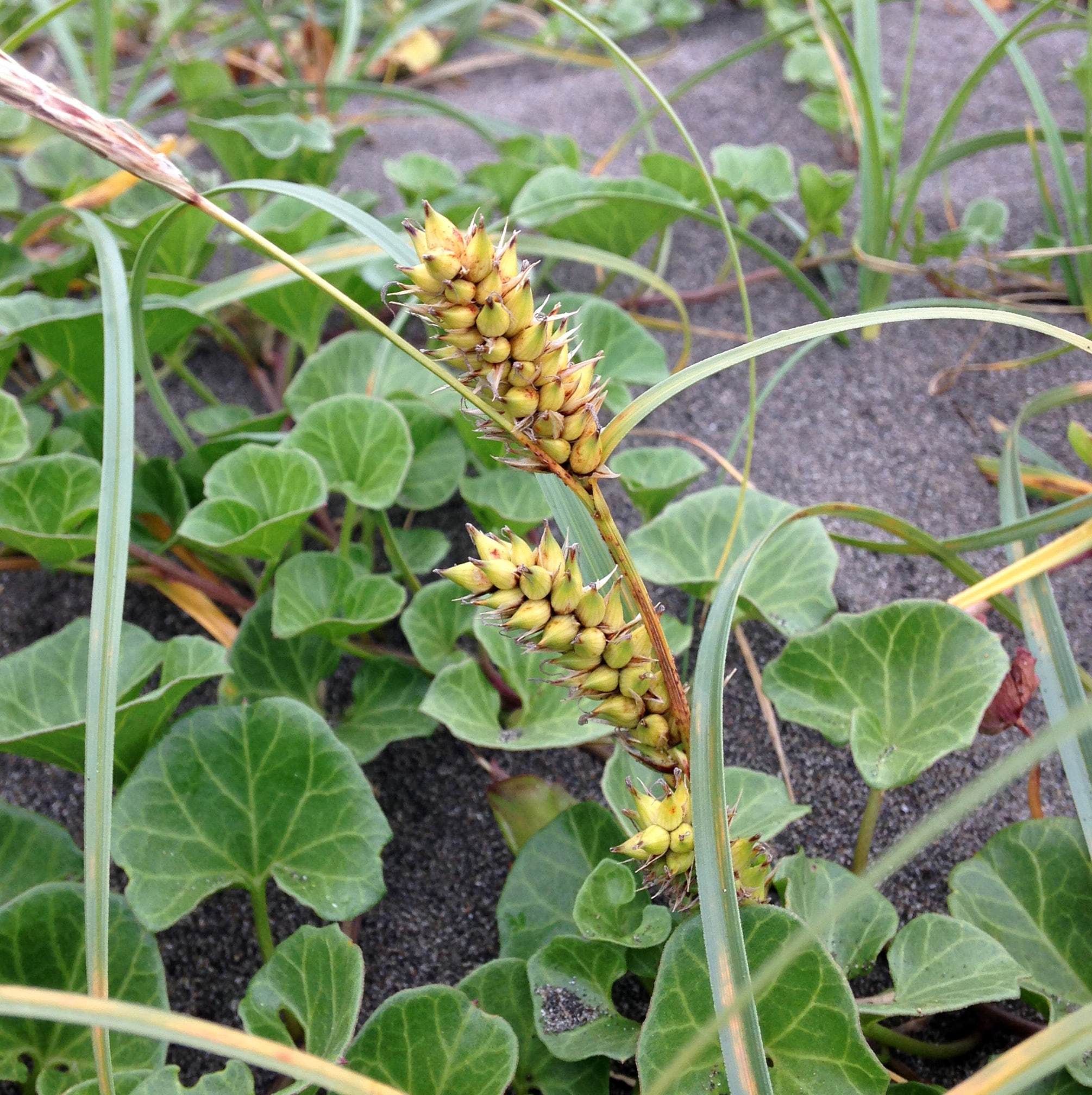
Possible effect and applications. The sedge offers a chemically distinct stilbenoid hypothesis for impairment-model cognition and monoamine signalling.
The potential application is a treatment for a defined memory impairment, with improved everyday functioning as the meaningful outcome. Viniferin-related signalling could also supply a medicinal-chemistry starting point. Exact chemical configuration, relevant exposure and the animal controls must be resolved before proposing a cognitive supplement or a plant-based medicine.
Evidence and mechanisms. Hokkaido root/rhizome studies report (-)-trans-ε-viniferin, miyabenol C and miyabenol A. The natural viniferin (7aR,8aR) notation corresponds to the mouse paper’s (2R,3R)/(E) assignment, supporting comparison of the identified chemical forms. The mouse test batch was locally extracted/purified without an identified botanical donor or stated purity. Separate uptake/MAO assays and miyabenol C 5-HT6/BACE1 results are mechanistic leads; the latter mouse work measured biomarkers, not behavioural cognition. No neural endpoint for miyabenol A is established by the evidence presented here.
Confidence and next research. Low-to-moderate for the improved viniferin link; low for plant benefit. Assess water-maze/movement controls and assay-batch identity, then seek NZ chemistry. Preserve the distinction between configuration agreement and evidence that Carex supplied the tested batch. Mouse study.
A12Scytothamnus australis
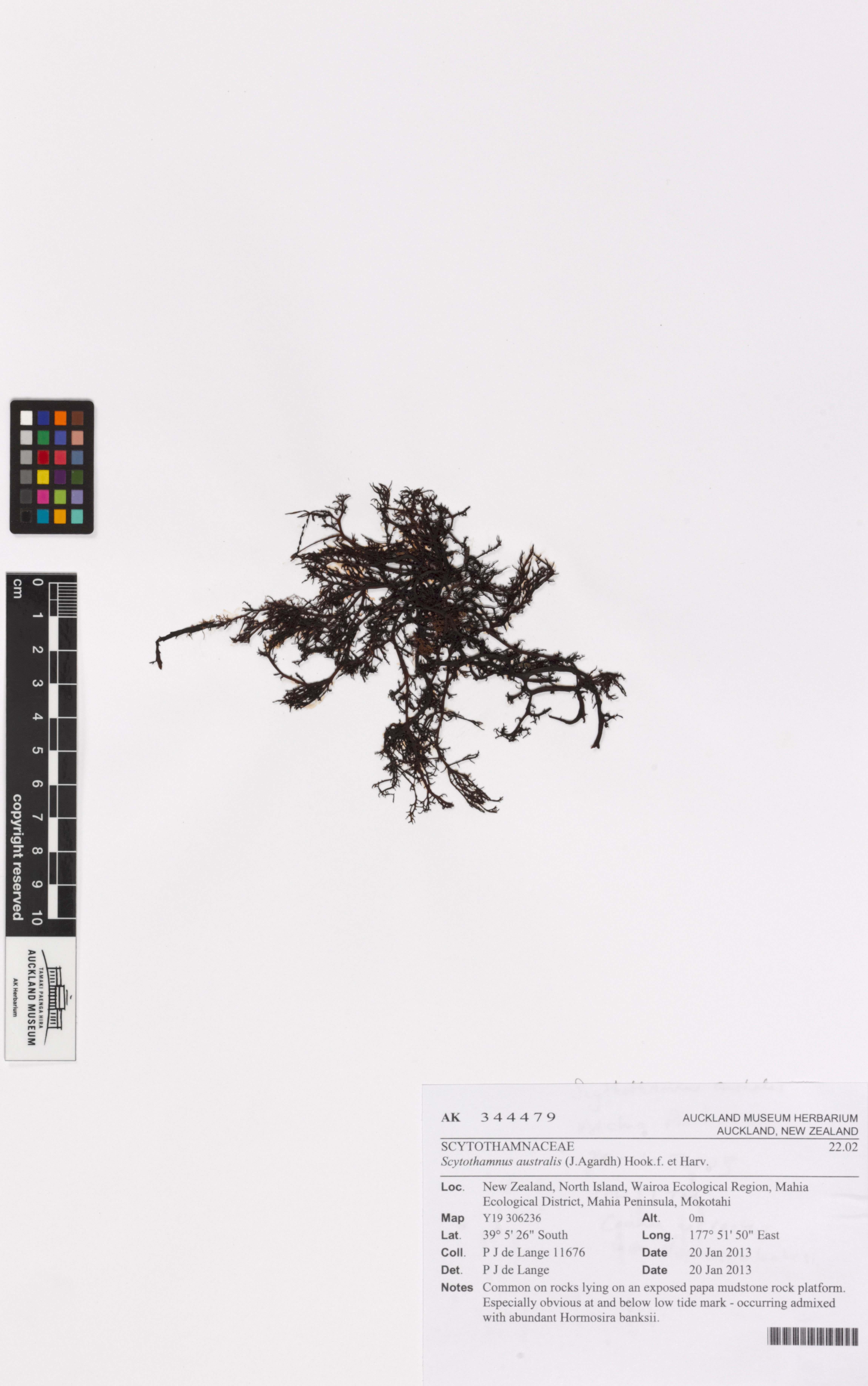
Possible effect and applications. This seaweed could broaden the candidates for sleep research to phlorotannins, chemically quite different from volatile odorants or diterpenes.
A successful translation could yield a marine-derived sleep aid, chemically different from the volatile plant leads. Better sleep and daytime quality of life would be the human goals; standardized cultivation or processing could create an ingredient opportunity if the active form, efficacy and supply proved viable. The current derivative-to-parent uncertainty prevents a product-level claim.
Evidence and mechanism. The species-chemistry abstract names triphlorethol-A heptaacetate and assigns the parent as triphlorethol A. Separate purified-compound studies from Ecklonia cava report benzodiazepine-site binding (Ki 4.419 µM) and mouse sleep/NREM outcomes. That creates a provisional parent-compound hypothesis, not evidence that S. australis has those effects: natural parent form, analytical derivatization, exposure and tested source must be resolved. A Turkish cytotoxicity report lacks the specimen voucher/structure needed to connect its material to NZ S. australis.
Confidence and next research. Low-to-moderate in the provisional link. Recover original chemistry figures and preparation methods, then compare exact parent identity with sleep-study test material. Establish the identity of the cytotoxicity study’s material before relating it to this species. Species chemistry, binding study, sleep paper.
A13Cassytha pubescens
Possible effect and applications. Nantenine provides a chemically specific antagonist hypothesis from an overlooked native-linked plant. Its possible value is as a tool for studying drug-induced behavioural effects and receptor selectivity.
The immediate application is a research tool for distinguishing serotonin and adrenergic contributions to drug-induced behaviour. A longer-term medicine might help control a particular unwanted drug effect if receptor selectivity and tolerability were demonstrated. Antagonist activity does not imply psychedelic, recreational or entheogenic effects, and no beneficial human use of this plant is established.
Chemicals and mechanisms. Nantenine has 5-HT2A serotonin-receptor and α1 adrenergic-receptor antagonism reports. Racemic and resolved-enantiomer preparations were tested separately; a common name does not establish identical stereochemical material.
Evidence and confidence. Overseas species chemistry and NZ indigenous status are supported separately, while the natural isolate's absolute configuration remains unresolved. Isolated-compound binding/function and antagonism of MDMA/head-twitch challenges are useful pharmacology. These challenge outcomes do not establish baseline psychedelic activity, selective anxiety relief or an effect of Cassytha material. Confidence is moderate for the compound's antagonist pharmacology, low for an exact native-to-assay bridge or beneficial species effect.
Next research. Recover original native-source structures and match enantiomers to functional assays. Appraise baseline controls and exposure before adding therapeutic interpretations to challenge antagonism.
A14Aristotelia serrata — makomako
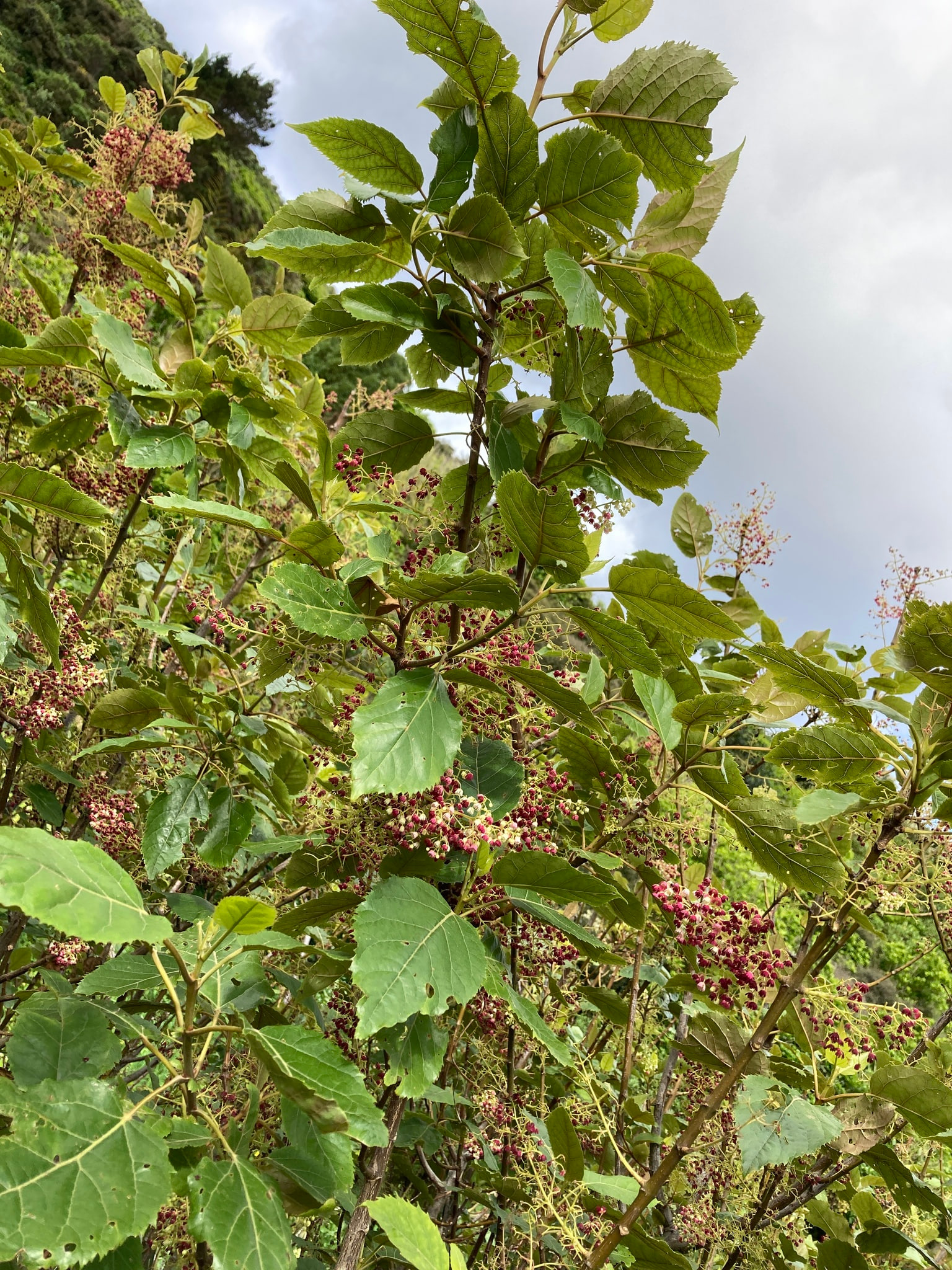
Possible effect and applications. Aristoteline provides a defined receptor/channel candidate, potentially useful for understanding sensory signalling or nicotinic modulation. A central behavioural effect is still unproven.
A promising eventual application is peripheral pain relief: a medicine that reduces painful sensory signalling and improves mobility or sleep. Restricting useful action to peripheral targets could be a way to pursue relief with less central impairment, but that advantage is a development goal rather than a demonstrated property of aristoteline. The plant itself is not an established analgesic preparation.
Evidence and mechanism. The NZ species has an original X-ray chemistry report. Functional work on material from Chilean A. chilensis reports nicotinic-receptor inhibition, strongest at α3β4, and separate NaV1.7/1.8 inhibition. Exact stereochemical correspondence with A. serrata remains unresolved. No isolated-compound behavioural or matched brain-exposure result was established; crude-extract pain observations cannot be assigned to aristoteline.
Confidence and next research. Moderate for compound function, low for the native cross-species bridge. Obtain the original source drawing and assay material configuration before extending pharmacology. NaV study.
A15Lycopodiella cernua / Palhinhaea cernua
Possible effect and applications. This is a direct extract/fraction animal lead, stronger in material continuity than many compound analogies, but still uncertain in active constituent and behavioural specificity.
If the extract effect can be attributed to a reproducible constituent and replicated, the goal would be treating particular cognitive impairments and preserving day-to-day independence. Identifying an active molecule would make a medicine-development programme more concrete; a standardized extract would need separate evidence. The present animal results do not justify a healthy-memory supplement.
Evidence and mechanism. The 2014 paper identifies a Da Lat, Vietnam collection, April 2012, voucher TCL-00112, and its alkaloid fraction, AChE assay and scopolamine-model memory tests. The fraction is not pure lycopodine, and internal methods/results inconsistencies remain. An independent Brazilian source, voucher HAS 47473, adds aerial-part alkaloid/AChE evidence rather than behavioural replication. Palhinoside-series compounds have separate glutamate-injury HT-22 cell results; cermizine C is another distinct chemical candidate. Regional traditional nervous-disorder use is context, not clinical validation.
Confidence and next research. Low-to-moderate for a fraction-level impaired-memory hypothesis. Reconcile composition, task controls and dose units; then test whether the same constituent explains enzyme and behavioural results. Overseas species material does not establish an NZ population profile.
A16Anisotome antipoda; Libocedrus bidwillii
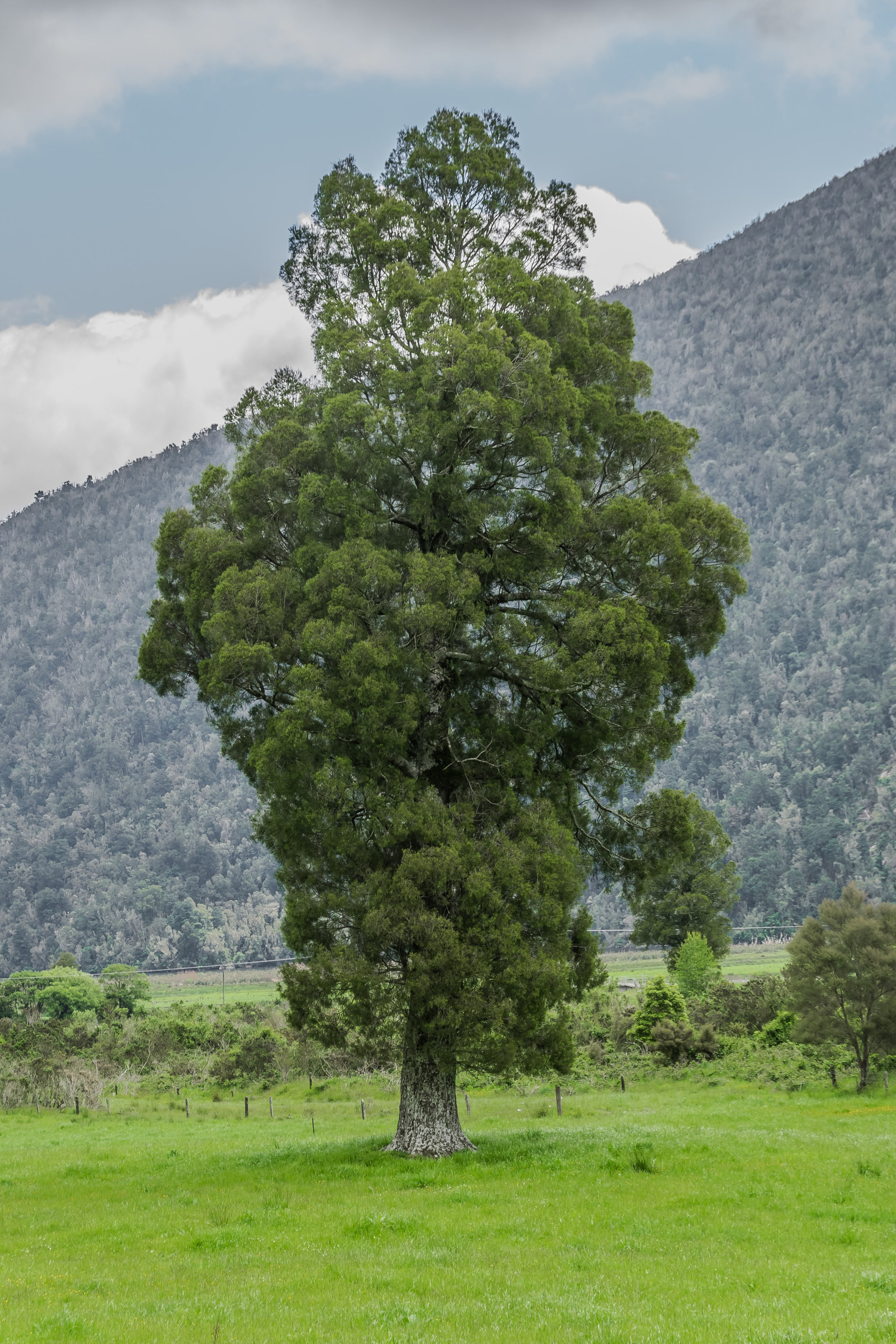
Possible effect and applications. Terpinolene supplies a source-specific volatile lead for sedation-like effects, with Anisotome now having the stronger chemical attribution. Its promise is below the kānuka sleep hypothesis because the main positive endpoint is movement reduction.
The possible human application is a sleep or relaxation aid, but only if objective sleep or anxiety benefit can be separated from impaired movement. Improved rest without loss of daytime function would be the desired result. Movement suppression alone can be a disadvantage and does not establish a useful sedative product.
Evidence and mechanism. A 1998 primary GC/GC-MS abstract reports 34.3% terpinolene in A. antipoda oil. That is an oil-composition value, not a whole-plant concentration or exposure estimate; voucher/analytical details are incomplete. Historical L. bidwillii oil reports 0.7%, but source verification is weaker. Separate inhaled-terpinolene mouse work reduced movement. The olfactory-impaired comparison was nonsignificant, correcting an earlier trial interpretation. Barbiturate-sleep potentiation and a movement-confounded fish result do not establish spontaneous sleep or a central mechanism.
Confidence and next research. Low-to-moderate for the compound hypothesis, low for species benefit. Recover specimen-resolved chemistry and objective sleep/exposure data before increasing priority. Do not infer that effects persisted after olfactory impairment.
A17Dactylanthus taylorii
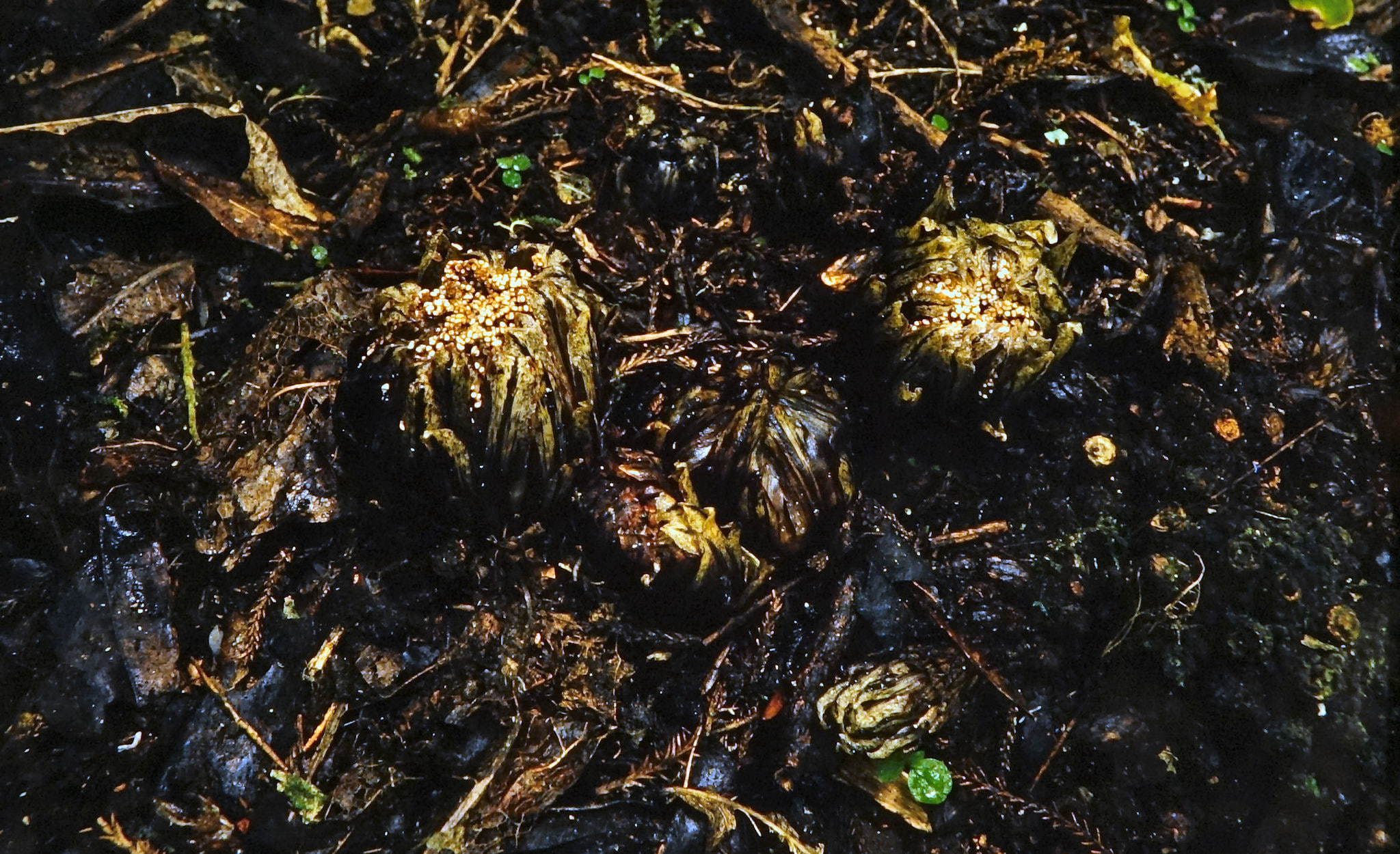
Possible effect and applications. Geraniol provides an interesting connection between wood-rose floral chemistry and inhibitory neuronal physiology, useful for mechanism research. Neither nectar consumption nor a traditional narcotic effect was established.
Geraniol could be useful for studying control of neural excitability and, eventually, for designing compounds aimed at symptoms such as disturbed sleep if a selective benefit is demonstrated. The flower is a chemistry lead, not an established consumable product. A standardized or synthesized molecule would be the more tractable development target.
Evidence and mechanism. Male-inflorescence volatile fractions from two NZ sites contained author-reported geraniol/trans-geraniol. GC peak areas do not quantify nectar concentrations. Separate rodent/slice work reports GABA_A-sensitive tonic inhibition and reduced firing in paraventricular thalamic neurons, together with movement/anesthesia outcomes. Regional administration bypasses ordinary exposure constraints and does not show that this circuit is necessary for systemic effects. The available evidence concerns ecological feeding/lure responses rather than a plant CNS endpoint; a medicinal-use account rests on doubtful translations.
Confidence and next research. Moderate in a compound neuronal mechanism, low in species sedation. Match source and test-lot identity, recover systemic exposure and circuit-discrimination data, and keep the historical attribution unresolved. Computational source work is more useful than sampling a conservation-sensitive plant on this evidence alone.
A18Leionema nudum
Possible effect and applications. Native skimmianine chemistry supplies a distinct alkaloid hypothesis. Its best current use is investigating opposing motor effects and source attribution rather than treating it as an alertness or calming lead.
A practical near-term benefit is learning which alkaloid actions impair or alter motor function, helping avoid poorly founded alertness or calming products. A medicine for a defined motor or signalling problem is a distant possibility that would require consistent, selective functional results. No symptom-relieving or recreational preparation is supported.
Evidence and mechanism. The original 1959 wood paper survives source review under the Phebalium-to-Leionema synonym. Separate animal papers report motor inhibition versus relative activation under different conditions. The 2018 study has very small groups, incomplete dispersion/statistics and an inconsistent comparator calculation. A 2026 injury study does not establish healthy cognition or brain exposure, and several reported ANOVA summaries did not reconcile under stated assumptions. Dictamnine chemistry is a separate question; a wrongly cited book-review DOI adds no evidence. A leaf-contact phototoxicity report is a material-specific hazard, not skimmianine-mediated CNS activity.
Confidence and next research. Moderate in the source chemistry, low in selective behavioural benefit. Recover raw/adequate endpoint summaries or a genuinely independent study, and seek measured central exposure. Park broad mood claims unless those gaps close.
A19Shawia paniculata; Gaultheria antipoda comparison
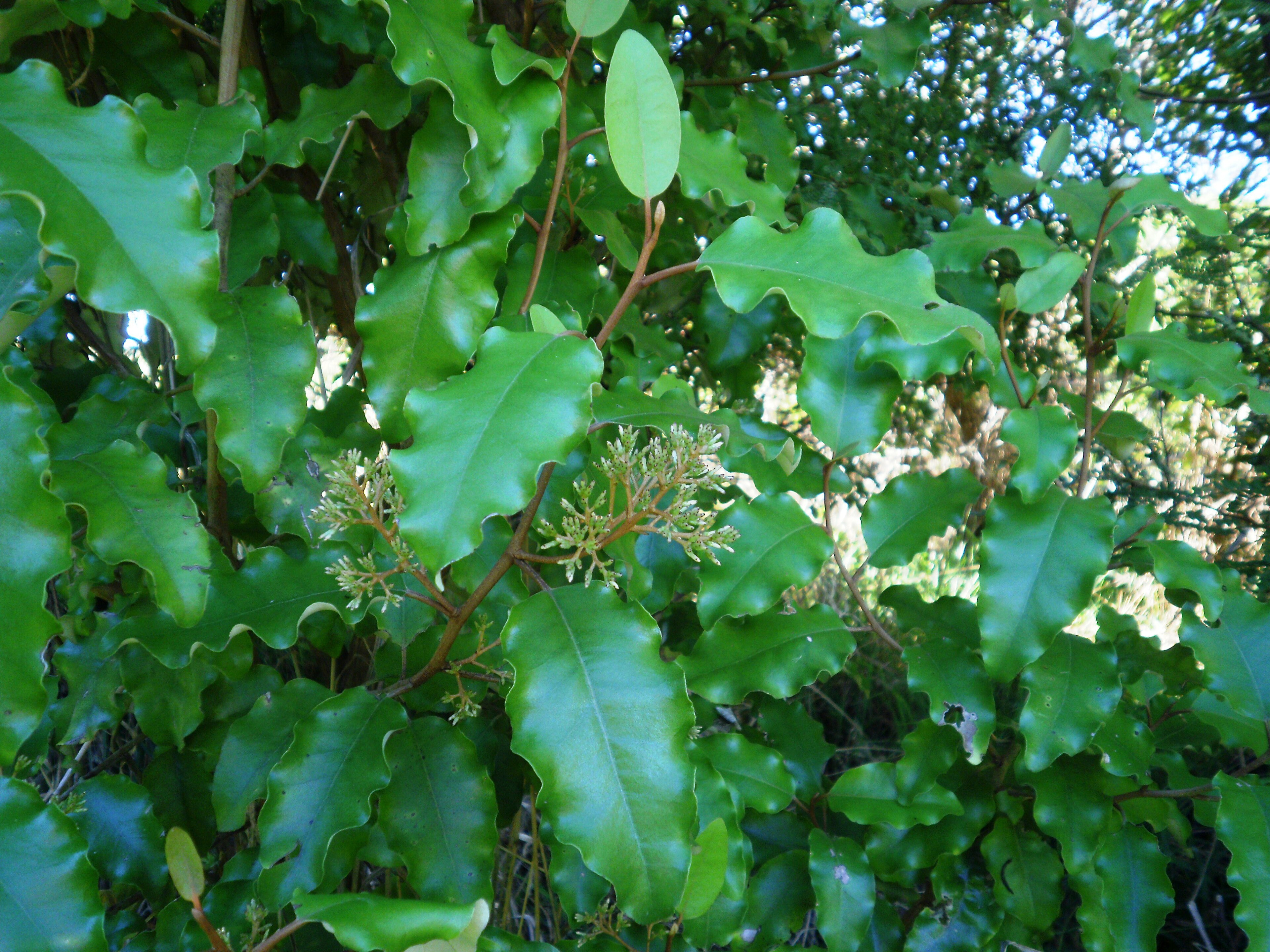

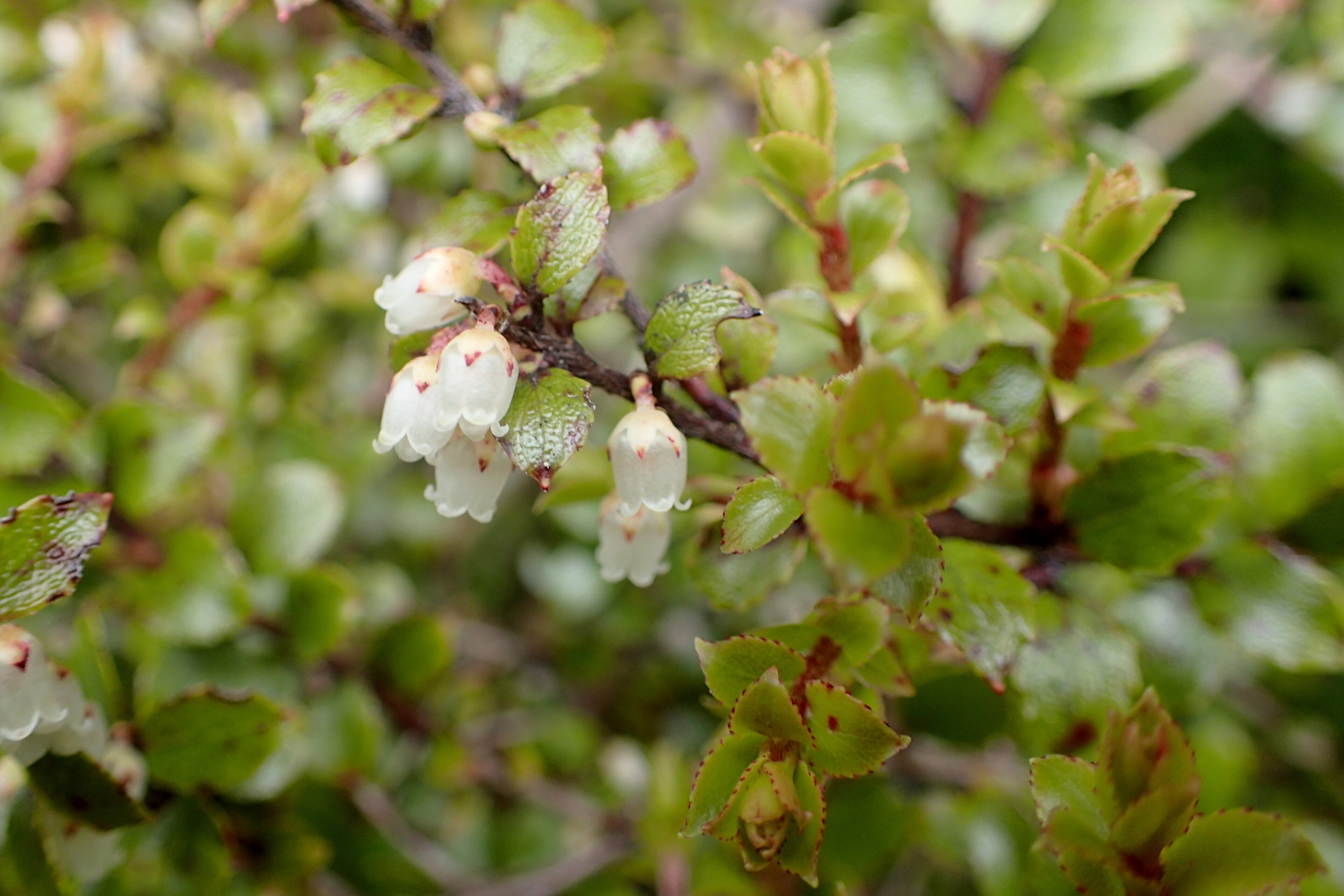

Possible effect and applications. Shawia's source-named oleanolic acid now has animal evidence outside injury rescue, making it a worthwhile new parent-triterpene question. Gaultheria supplies a separate ursolic-acid chemical-source hypothesis, not replication of that effect.
A selective compound effect could support research into medicines for anxiety or depressive symptoms, aiming to improve well-being and everyday functioning. Oleanolic and ursolic acid must be developed as distinct hypotheses. A native ingredient business would depend on authenticated chemistry, sustainable yield and demonstrated efficacy, rather than triterpene presence alone.
Evidence and mechanism. Partial primary preview text for Olearia paniculata bark names oleanolic acid; the imported occurrence is the different 3-epioleanolic acid. Separate mouse reports describe anxiety/depression-surrogate effects of author-named oleanolic acid, including a locomotor control, alongside a healthy-control null on other measures. Native material itself was not tested. Pectolinarigenin is a separate leaf constituent. A 1967 thesis identifies NZ G. antipoda dried leaves/twigs and a methyl-ursolate analytical isolate after diazomethane treatment, supporting a source-state distinction rather than proving free ester occurrence.
Confidence and next research. Low-to-moderate for the Shawia parent-acid hypothesis. Recover the complete 1964 chemistry pages and exact parent/epimer assignments before drawing conclusions about biological effects. Separate ester derivatization from native forms in Gaultheria. Oleanolic-acid behaviour, Gaultheria thesis.
A20Ophioglossum petiolatum; Phyllocladus trichomanoides and P. toatoa
Possible effect and applications. These flavonoid hypotheses may support work on excitability or injury-related synaptic recovery, with Ophioglossum having the stronger species-chemistry evidence.
The longer-term patient goal would be preserving or restoring neural function after injury, or controlling a defined excitability problem. The immediate value is comparing precisely identified compounds in neural assays. A repair treatment, memory supplement or benefit from the whole plants remains unestablished.
Evidence and mechanism. A primary isolation paper reports quercetin and luteolin in O. petiolatum, without sufficiently detailed voucher/locality information in the available evidence. Separate compound studies measure neuronal currents, HCN2/adenosine-related effects and injury-model LTP rescue; baseline LTP contrasts sometimes were null. Luteolin also has Kir4.1-dependent glial-current evidence. No study joins the recombinant HCN/Kv mechanism causally to the observed neuronal result. Phyllocladus luteolin source attribution remains provisional. Cordyline indivisa quercetin profiling and larval-fish movement results offer a weak additional chemical-source link, without selective stimulation.
Confidence and next research. Moderate in some compound physiology, low in a plant cognition/sleep claim. Recover specimen-specific isolation data and match exact functional preparations; prioritise mature neuronal outcomes over generic antioxidant assays.
A21Ecklonia radiata; Macrocystis pyrifera; Hormosira comparison
Possible effect and applications. Marine material broadens the portfolio to sterols, phlorotannins and lipid mixtures. The stronger new direct-material possibility is injury protection in neuronal preparations, while attention/impulsivity remains a weaker compound hypothesis.
If neuronal-injury protection becomes a reproducible organism-level benefit, these marine materials could supply a therapeutic ingredient aimed at recovery after injury. A validated extract could support aquaculture and processing activity. Improved attention is a separate, weaker development goal; neither it nor a general brain-health supplement follows from the current cell results.
Evidence and mechanisms. E. radiata fucosterol has a source report from NZ East Coast material; a separate neonatal-habenula-lesion rat study reports attention/impulsivity outcomes with incomplete exact contrasts and controls. Dibenzodioxin-fucodiphloroethol from South Australian kelp has separate PC12 amyloid/AChE assays. These do not prove kelp improves cognition. A 2026 primary report on Patagonian M. pyrifera holdfast lipid extract, at 0.1 µg/mL, reports reduced amyloid-associated death and preserved metabolic measures in primary hippocampal neurons/slices, without identifying a causal molecule. H. banksii work reached sperm/reproductive signalling and cancer-cell assays, not a neural bridge; edible use adds no CNS evidence.
Confidence and next research. Low-to-moderate for specific cellular/compound leads, low for dietary CNS benefit. Resolve material composition, authenticate NZ lots, and distinguish preserved cell viability from synaptic function or behaviour. Macrocystis primary study.
A22Bolboschoenus fluviatilis / Scirpus fluviatilis
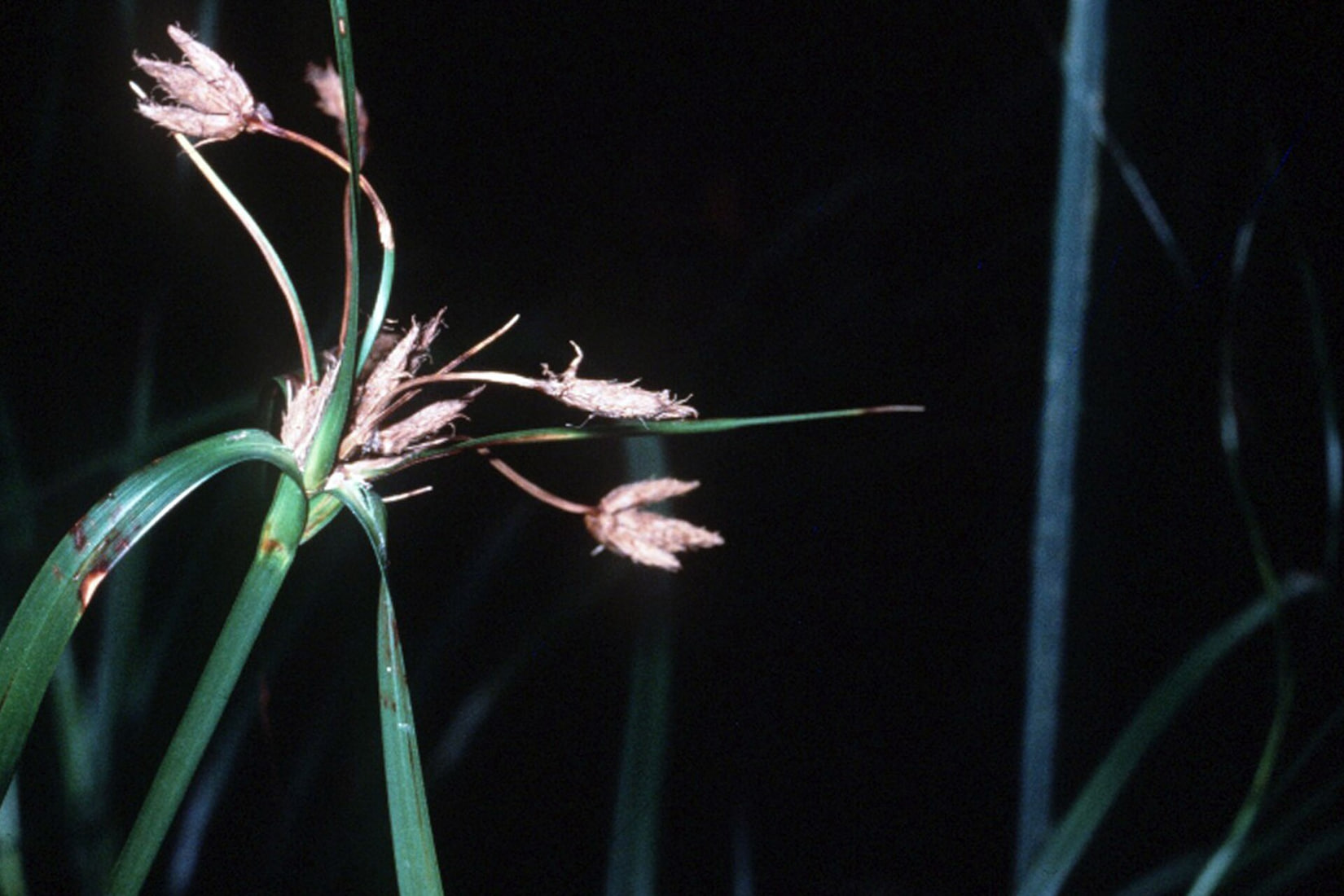
Possible effect and applications. A resveratrol source could help investigate concentration-dependent astrocyte control of glutamate, a useful cellular mechanism rather than proven cognitive benefit.
The useful possibility is a tool for understanding how supporting brain cells regulate glutamate. Ultimately, selectively preventing harmful excitatory activity could matter for neurological symptoms or injury. The concentration-dependent direction of the results must be resolved before a treatment rationale is credible; this is not evidence for a resveratrol-containing plant supplement.
Evidence and confidence. A Japanese rhizome isolation study identifies trans-resveratrol with NMR geometry support. A separate primary astrocyte study increased glutamate uptake at one concentration and decreased it at a much higher concentration. Confidence is moderate in this narrow chemical/cellular chain, low in organism-level benefit; more uptake is not an across-dose rule.
Next research. Match exact material and concentrations, recover dose-response and transport controls, and seek NZ specimen chemistry before extrapolating. The potentially useful discovery is the bidirectional cellular response, not that the sedge improves memory.
A23Pittosporum tenuifolium
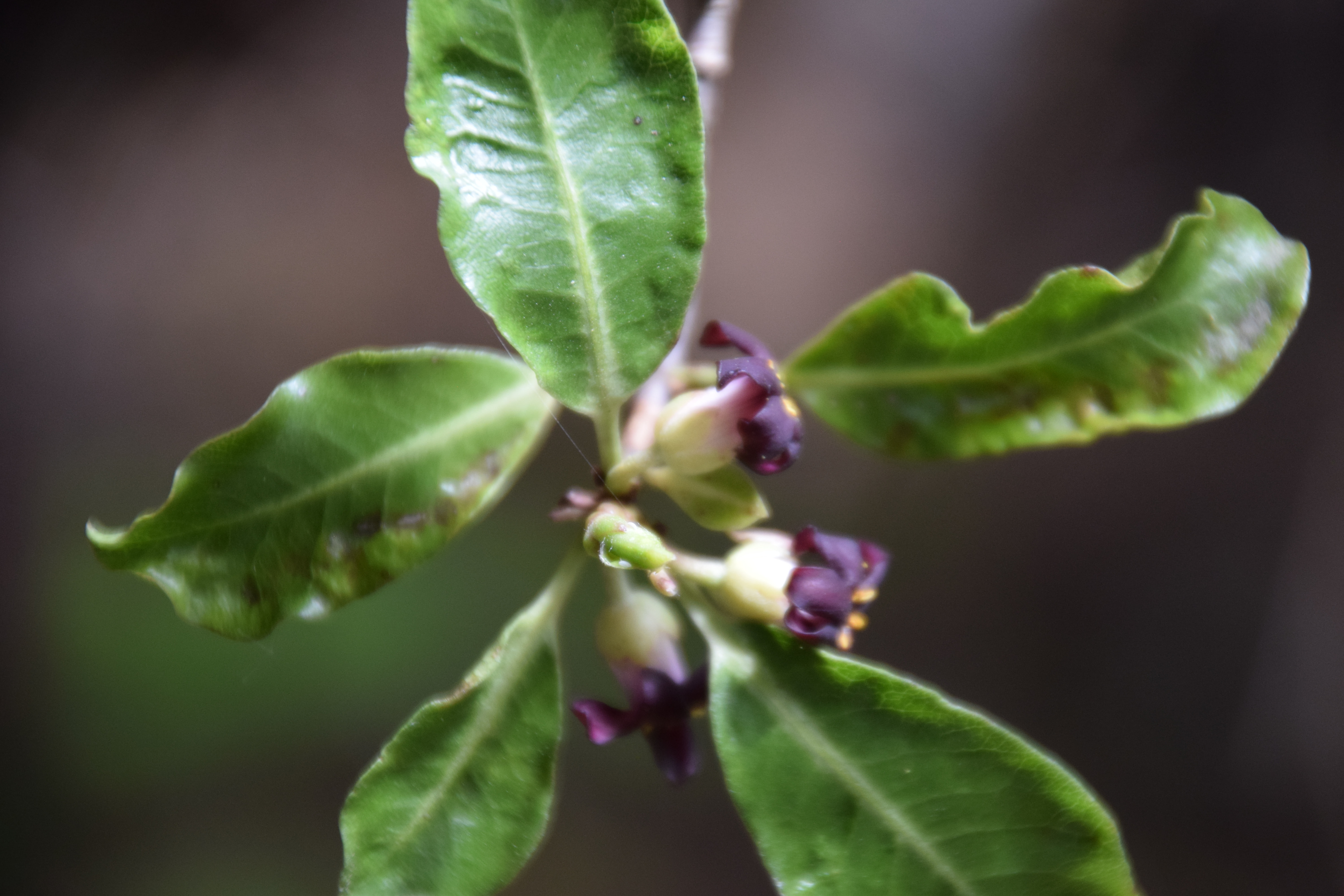
Possible effect and applications. Limonene chemistry makes this a plausible volatile-anxiety lead, but the source-to-assay stereochemical gap still controls priority.
A reproducible volatile effect could eventually support a preparation intended to ease anxiety and improve daily well-being. The exact native chemical form and clinically relevant exposure would need to match the effective test material. There is currently no demonstrated human benefit or basis for claiming fewer side-effects than established anxiety treatments.
Evidence and mechanism. Generic limonene occurs in leaf headspace; pure (R)-(+)-limonene mouse studies show favourable EPM results in some conditions, inconsistent anxiolysis in another study and locomotor activation at some exposures. The leaf profile does not resolve the enantiomer. A small human smell/perfume study measured sensory appraisal, not calming or CNS outcomes. Cultivar saponins have no exact-compound CNS evidence.
Confidence and next research. Low-to-moderate for compound anxiety, low for the plant bridge. Resolve enantiomer and oil-lot identity and compare movement-sensitive outcomes before expanding behavioural claims.
A24Ipomoea pes-caprae

Possible effect and applications. Eugenol provides a source-linked candidate for memory-task or excitability research.
A potential medicine-development goal is helping a defined memory impairment or modifying abnormal excitability. Improved practical function would matter more than a change in one laboratory task. The mixed behavioural evidence and source-to-exposure gaps do not establish a cognitive supplement or benefit from the whole plant.
Evidence and mechanism. A primary species isolation report and a small pure-eugenol mouse experiment support the hypothesis: Y-maze/object-recognition outcomes were favourable, while water-maze results were null. Material and movement controls limit the inference. Other experiments show sodium-current, firing and synaptic effects whose direction depends on concentration and preparation. Confidence is low-to-moderate for the compound hypothesis, low for species benefit.
Next research. Recover assay-lot identity and movement/sensory controls, then compare the concentration ranges for favourable versus suppressive neuronal effects. Do not turn mixed task results into general memory enhancement.
A25Drosera auriculata; D. stenopetala
Possible effect and applications. Plumbagin has a compound stress-behaviour hypothesis, with direct chemical evidence from New Zealand D. auriculata material.
Plumbagin could be studied as a starting molecule for a stress-related mood treatment, but any useful effect must be separated from quinone toxicity. A clear therapeutic window would be essential for symptom relief or improved quality of life. The present findings do not support a sundew supplement.
Evidence and mechanisms. A primary paper available in full text reports plumbagin in trap headspace of field-collected D. auriculata at Kai Iwi Lakes. That is volatile detection, not whole-tissue concentration or tested plant behaviour. Separate plumbagin mouse stress evidence is abstract-level and reports a locomotor control; quinone cytotoxicity remains relevant to selectivity. D. stenopetala has cultivated NZ-provenance chemotaxonomic quinones, not the same neural bridge.
Confidence and next research. Low-to-moderate for the new chemical pointer, low for beneficial CNS action. Match analytical identity and exposure to the behavioural study, then distinguish neural function from cell injury. Do not transfer plumbagin or activity between sundews.
A26Cladonia chlorophaea; Lobaria pindarensis
Possible effect and applications. Direct lichen-extract experiments provide a stronger material-to-assay connection than bare database occurrences, but the opportunity is still biochemical specificity or inflammatory-cell work.
These experiments could identify starting molecules for medicines targeting cholinergic dysfunction or inflammatory-cell responses. The eventual goal would be measurable symptom or functional improvement in a defined condition. Assay specificity and active constituents are still unresolved, so a lichen-based cognitive supplement would be premature.
Evidence and mechanisms. Antarctic C. chlorophaea ethanolic extract reports AChE/BChE IC50 values of 4.204/5.938 µg/mL and SH-SY5Y oxidative-injury rescue. Independent optical-blank or non-Ellman specificity replication is not established. An L. pindarensis paper reports norstictic acid in extracts and separate purchased-compound BV2 microglial assays. Neither establishes neuronal signalling, NZ material equivalence or cognition.
Confidence and next research. Moderate in source-specific in-vitro observations, low in benefits. Review extract-only blanks, constituent attribution and assay independence before claiming cholinergic action. Cladonia primary paper.
A27Coprosma species — several distinct compound hypotheses
Possible effect and applications. Coprosma is a useful multi-compound research genus, but the available evidence does not establish a direct psychoactivity-relevant effect of authenticated native plant material. The constituent hypotheses need separate evaluation.
Different constituents could eventually inform different products: a mood-treatment compound, an injury-recovery candidate or an alertness-related ingredient. Each would need its own exact species, chemical form and efficacy evidence. The genus offers a research library rather than a demonstrated multipurpose wellness supplement or recreational preparation.
Evidence and mechanisms. C. rotundifolia and C. tenuicaulis have provisional bark scopoletin links; the challenged-animal positives and healthy-mouse null discussed under Ipomoea apply to the compound. Historical text assigns asperuloside to C. arborea, C. lucida, C. repens, C. tenuifolia and C. robusta; C. propinqua has an unresolved separate citation. Exact source/assay stereochemistry remains open. A theophylline conference abstract reports a pooled 1.75 mg/g dry-matter value and relatively higher C. robusta samples, without an analyte-validated species/tissue concentration. It supports no defensible plant stimulant exposure calculation.
Chemical-form limitations. C. linariifolia rubiadin was isolated after acid hydrolysis, so native free rubiadin cannot inherit mouse-memory results. C. acerosa lucidin has genotoxicity/cytotoxicity rather than neural-benefit evidence. C. foetidissima aporphine/pavine pointers lack primary attribution. Traditional topical fracture-pain use of C. robusta is not CNS evidence.
Confidence and next research. Low for plant effects; higher for the specific source corrections. Recover original chemistry pages, identify native versus hydrolysis-generated forms, and validate the methylxanthine analysis before seeking further efficacy papers. Several species and compounds in this entry do not constitute one interchangeable preparation.
A28Trametes/Pycnoporus cinnabarinus; T. coccinea; T. versicolor
Possible effect and applications. Cinnabarinic acid is a meaningful glutamatergic candidate if exact fungal material can be tied to the tested compound. Other Trametes polar metabolites are much earlier leads.
The most useful prospect is a precisely identified fungal molecule for studying glutamatergic signalling and potentially designing a medicine for a defined neurological symptom. An exact-species chemical bridge and functional benefit are missing. Familiar mushroom supplement marketing does not supply those links.
Evidence and mechanisms. Australian P. cinnabarinus has a chemical isolation report. Cinnabarinic acid has mGlu4-associated functional activity and separate AHR-ligand evidence; apparent potencies differ across recombinant and neural preparations. A proposed T. coccinea pigment attribution rests on material named P. sanguineus from Seychelles; that source does not establish chemistry in T. coccinea. T. versicolor betaine/GAT1 and carnitine/levocarnitine fish-behaviour cross-references remain source/structure unresolved: interaction-zone annotations do not identify an exact NZ fungal producer or stereoisomer.
Confidence and next research. Moderate for some compound function, low for the species bridge. Preserve species, source pigment versus analytical derivative, strain and exact polar-metabolite identity. Resolve provenance before using famous mushroom reputations or receptor labels to promote these fungi.
A29Pectinopitys ferruginea; Prumnopitys taxifolia
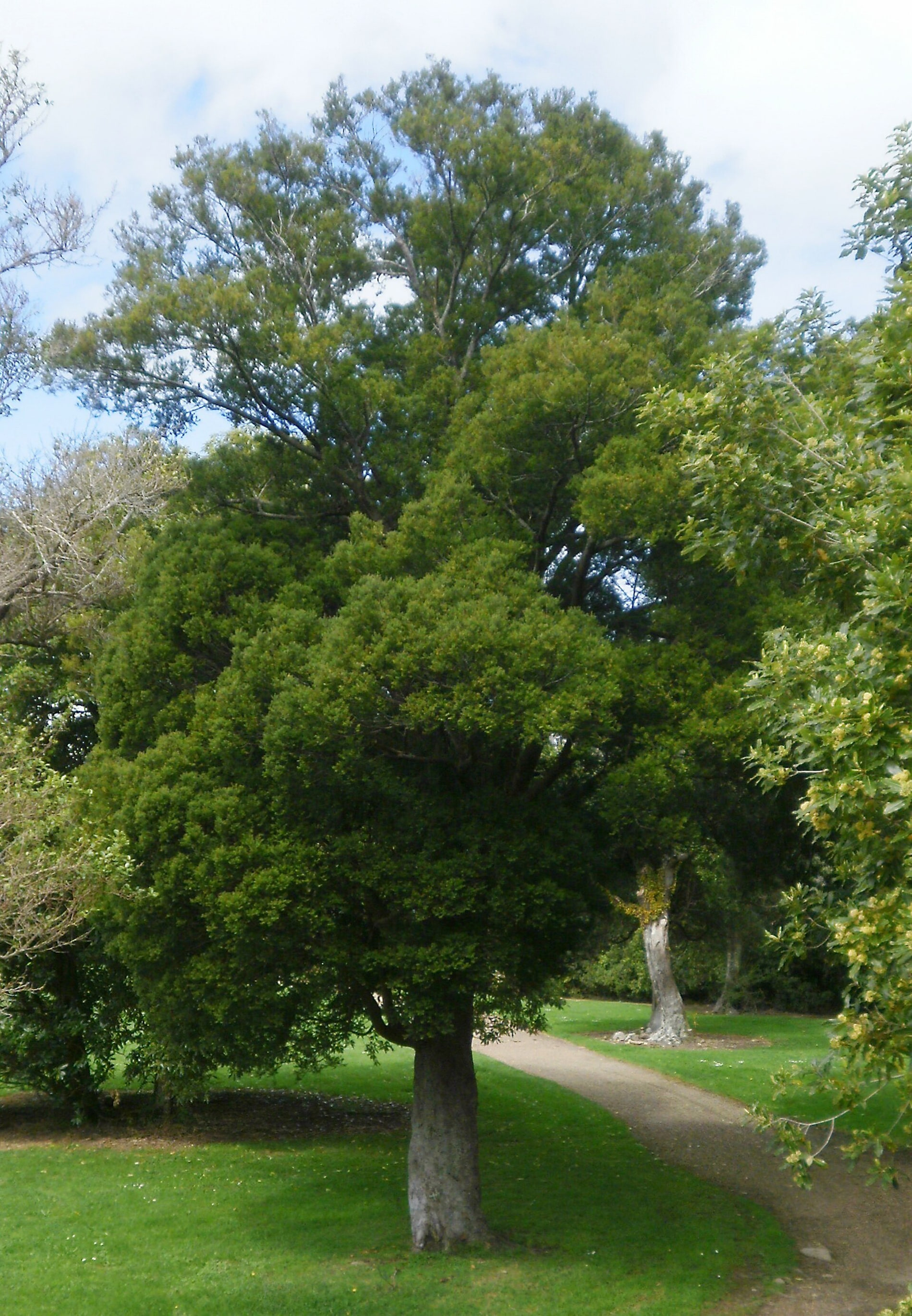
Possible effect and applications. Picein in miro and atractylon in mataī offer distinct conifer chemical leads for challenged-state research.
These compounds might eventually support treatments that improve function in particular injury-related cognitive or motor impairments. A benefit for patients would require more than protection in a challenged model. The two tree sources and their distinct compounds should not be combined into a general conifer brain-health product.
Evidence and mechanisms. Published chemistry assigns intact picein to source-era Prumnopitys ferruginea, now Pectinopitys ferruginea. Commercial picein reduced menadione injury in SH-SY5Y cells; a 2025 abstract reports improved inhibitory avoidance in scopolamine-challenged rats. Dose summaries conflict and assay material details remain incomplete. Piceol is a different molecule, with a separate negative cortical-neuron injury result, not miro chemistry. Mataī foliage has an atractylon isolation abstract under Podocarpus spicatus, while the separate assay stereochemical bridge remains unresolved.
Confidence and next research. Low-to-moderate for picein challenge-model activity; low for species benefit. Recover full avoidance methods/controls and original source structures; separate intact glycoside, aglycone and tested lot. Picein animal abstract, source chemistry.
A30Ozothamnus leptophyllus; Traversia baccharoides; Brachyglottis cassinioides
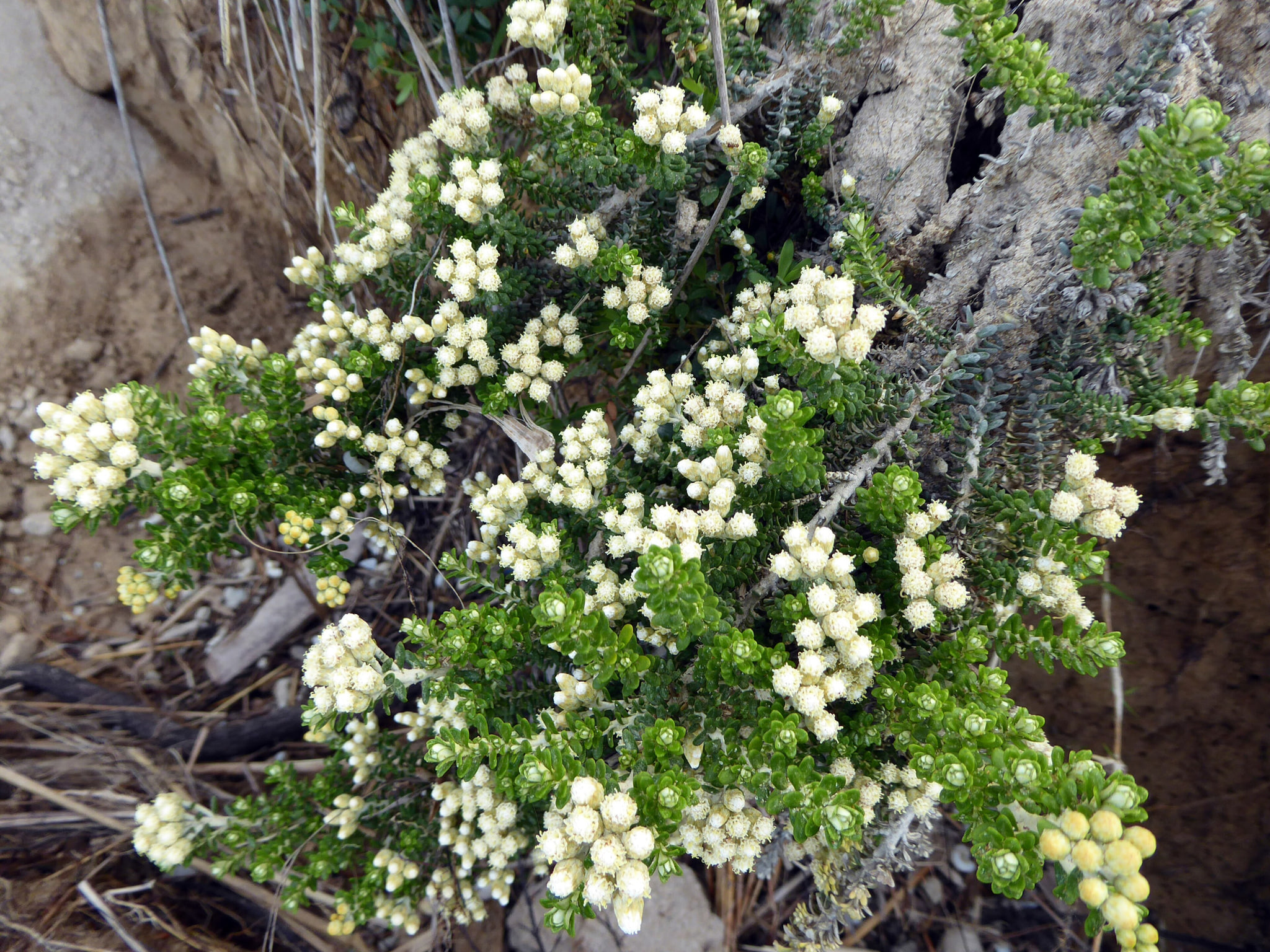
Possible effect and applications. These Asteraceae add exudate/flavonoid candidates for neural repair research; the stronger source recovery now concerns Traversia.
An eventual application could be an ingredient or medicine that supports neurological recovery after injury. The immediate work is to establish whether the identified exudate compounds have selective neural actions at relevant exposure. Cell protection alone does not establish better memory or a useful consumer supplement.
Evidence and mechanisms. Rhamnetin compound studies report TBI/fish/neuronal outcomes, without matched behaviour-time exposure. Ozothamnus species chemistry is held; its precisely named methoxychalcone/dihydrochalcone forms have separate geometry, unit and source-depth limits. The original paper identifies rhamnetin in Traversia leaf-surface gum from early-bloom Northwest Nelson material, with a Calgary herbarium voucher and authentic reference. B. cassinioides astragalin has direct neuronal injury assays as an intact glycoside, but native source correspondence is provisional; free kaempferol cannot substitute.
Confidence and next research. Low for organism benefit; moderate for the Traversia chemistry. Recover complete source/assay forms and neuronal selectivity, then look for independently tested functional outcomes. Do not equate a stronger chemical source with stronger cognition evidence.
A31Cuspidatula kirkii; Reboulia hemisphaerica; qualified Frullania/Balantiopsis
Possible effect and applications. These are useful alternatives to the Radula cannabinoid story, especially for peripheral pain and extract-specific effects.
The most concrete patient goal is pain relief that helps people move, sleep and participate in daily life. A selectively peripheral compound could be pursued without requiring intoxication as part of the treatment, though that profile has not been demonstrated. Standardized active molecules are a clearer target than a generic liverwort preparation.
Evidence and mechanisms. Cuspidatula/source-era Jamesoniella kirkii has source-assigned ent-kaurenoic acid; the chemical comparison requires the matching stereoisomer. A separate mouse neuropathic-pain study implicates NO/cGMP/PKG/K_ATP pathway dependence, not direct channel gating or plant CNS activity. Turkish Reboulia voucher C11/227 ether extract reduced mouse writhing and later paw edema; the active constituent and central specificity are unresolved. Balantiopsis rosea and Frullania probosciphora β-caryophyllene pointers have unresolved natural configuration despite compound CB2/behaviour literature. Frullania pycnantha/spinifera farnesene alarm-cue work is ecological signalling, not learning enhancement; eremofrullanolide patch-test allergy is a separate hazard.
Confidence and next research. Low-to-moderate for the defined peripheral/material outcomes, low for CNS benefit. Resolve source configurations and quantify motor/injury controls. Cuspidatula chemistry, Reboulia extract study.
A32Fuscospora fusca; qualified F. solandri/F. truncata comparison
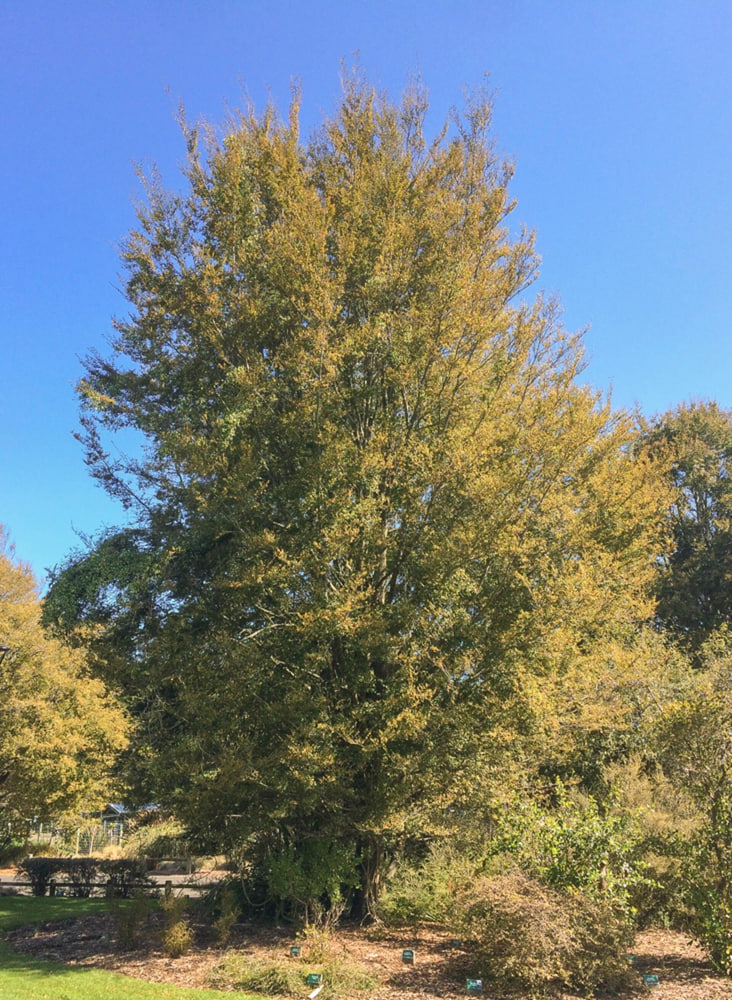
Possible effect and applications. Red-beech phenolics offer an early channel/excitability question; pinosylvin is a separate chemical-form question.
Selective control of nerve-cell excitability could eventually contribute to a symptom-directed medicine; injury protection is a separate possibility. The near-term value is a channel-function research tool. No particular human symptom benefit, cognitive supplement or recreational effect is established.
Evidence and mechanisms. Provisional heartwood gallic/protocatechuic acid links intersect recombinant Kv7/KCNQ assays. Some compound native-neuron effects exist, but blocker/genetic evidence does not connect them to the recombinant Kv7 mechanism. Pinosylvin has injury-protection and developmental-toxicity reports; the source/table attribution and E geometry remain unresolved. TRPV1/TRPA1 database cross-references name E-pinosylvin but have conflicting structure metadata and inaccessible primary methods. Comparison beech taxa are not automatically chemical-positive.
Confidence and next research. Low for a species neural effect. Recover the source table and exact geometry, then require a causal neuronal-function link. Keep injury protection, sensory-channel effects and developmental harm separate.
A33Gentianella serotina
Possible effect and applications. Swertisin could offer a flavonoid memory/sensory-gating hypothesis if the original species chemistry is verified.
If the species chemistry and compound effects are confirmed, the human goal would be improving function in a defined cognitive impairment. There is currently too little exact-species evidence to propose a memory supplement. Resolving that chemical link could either justify a focused development programme or prevent wasted effort.
Evidence and mechanisms. Two compound mouse papers report challenged-memory results and a limited normal-animal result but share a research group. Native chemistry remains inaccessible. Mangiferin is another provisional source link with synaptosome glutamate-release evidence and vesicular controls, not demonstrated SV2/SNARE binding. Confidence is low for the species bridge.
Next research. Recover the actual Gentianella chemistry and exact glycoside identity before further behavioural expansion. Count the shared research programme appropriately and retain normal versus challenged endpoints separately.
A34Veronica pulvinaris; Plantago raoulii and P. unibracteata; Utricularia australis
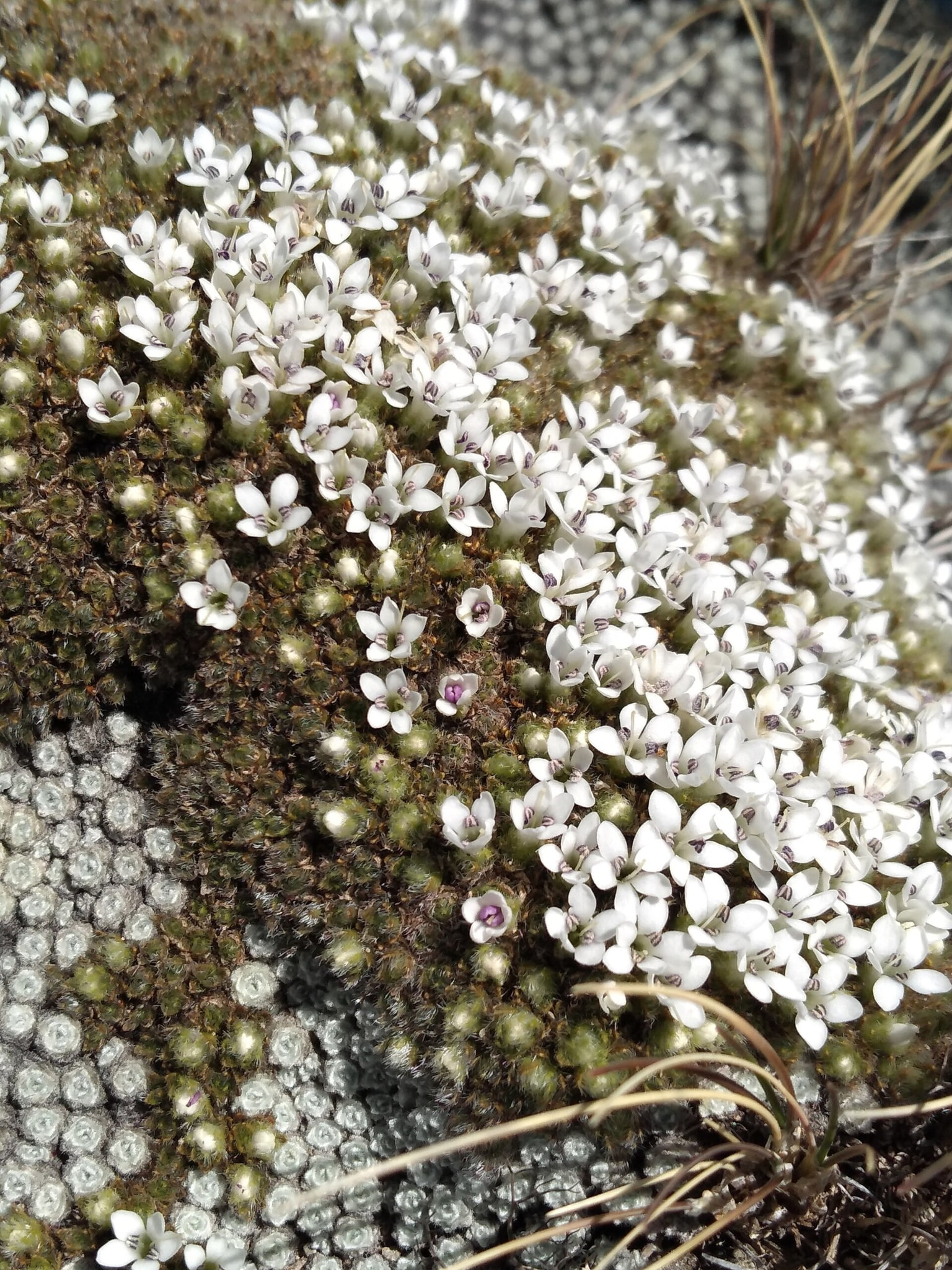
Possible effect and applications. Aucubin creates an iridoid-glycoside hypothesis, with V. pulvinaris the strongest native-source pointer.
Possible longer-term applications include reducing pain-associated distress or supporting function during recovery from injury. A useful medicine would need a specific symptom, active form and relevant exposure. General healthy-memory enhancement or a broadly beneficial native-herb supplement is not supported.
Evidence and confidence. NZ-vouchered Veronica material supports the chemistry lead but exact sugar/source-to-assay identity stays qualified. The proposed Plantago source chemistry remains unverified. U. australis has a distinct 1985 aucubin abstract; an unrelated 1994 U. vulgaris citation cannot supply its chemistry. Pure-aucubin studies concern injury or inflammatory pain states. Veronicoside, aucubin esters and epimers are not interchangeable. Utricularia prey immobilization can be explained by suction mechanics and is not evidence of a chemical neural effect. Confidence is low for species efficacy.
Next research. Recover original glycoside identity and botanical authorship, including Plantago uniflora author-name collisions. Do not transfer material or use high-speed trap mechanics as toxin evidence.
A35Parmelia sulcata; Acarospora fuscata
Possible effect and applications. Atranorin and gyrophoric acid could supply lichen-specific chemical tools, but their behavioural evidence currently has major control problems.
A selective anxiety-reducing compound would be valuable for easing distress and improving quality of life, but the present controls do not show that selectivity. These molecules are currently tools for resolving whether a useful effect exists. They do not yet support a calming supplement or a claim of fewer side-effects.
Evidence and mechanisms. P. sulcata atranorin chemistry used Ukrainian thalli; A. fuscata gyrophoric-acid chemistry used Serbian material. Two rat papers share investigators and lack adequate vehicle contrasts; the stress experiment's stopped forced-swim test supplies no usable antidepressant result. Albumin binding and liver instability are not measured brain exposure. Separate neurite, cholinesterase and amyloid/cell assays are early mechanisms with interference/material questions. Culture-only barbatic acid is not a CNS finding.
Confidence and next research. Low for selective anxiety benefit. Prioritise vehicle-controlled, independently authored outcomes and measured exposure over accumulating more biomarker reports. P. saxatilis historical remedy/skull-lichen stories are ambiguous ethnobotany and do not replicate P. sulcata pharmacology.
A36Pertusaria dennistonensis; Coniocarpon cinnabarinum
Possible effect and applications. These are chemically specific enzyme/cellular tools rather than behaviour-ready leads.
These compounds could provide starting points for enzyme-targeted medicines or neural-repair research. Before any patient application, the apparent biochemical or cellular activity must be confirmed with assays that exclude interference. A symptom-relieving product is presently too speculative to specify.
Evidence and mechanisms. The NZ Pertusaria type description names stictic acid. Separate soluble-guanylate-cyclase/endothelial assays and PC12 neurite growth supply narrow function, not mature neuronal signalling. Coniocarpon/Arthonia cinnabarina's 8-O-methylbostrycoidin came from a Japanese spore-derived mycobiont culture; its AChE IC50 was 6.71 µM, with enzyme provenance and pigment-only optical/redox controls unresolved. Culture production must not be assigned to all wild lichen thalli.
Confidence and next research. Low for behavioural benefit. Recover compound-specific cellular values, assay blanks and an orthogonal enzyme/neuronal endpoint. Prioritise actual selectivity before new animal hypotheses.
A37Bryum argenteum; B. pseudotriquetrum; Polytrichum juniperinum
Possible effect and applications. Mosses offer underexplored intact glycosides, with cell-response or extract-behaviour observations worth preserving as leads.
Moss chemistry could enlarge the library of molecules available for future neurological drug discovery. If a selective functional effect emerged, an identified compound might be developed for a particular symptom or repair process. The current mixed-extract and cell observations do not establish a relaxation, memory or recreational product.
Evidence and mechanisms. B. argenteum apigenin 7-O-glucoside rests on secondary sugar/linkage attribution. B. pseudotriquetrum has Austrian-vouchered gametophyte vicenin-2 chemistry and separate neuronal-cell stress evidence; the cited paper does not support the claimed lonicerin identity. Colombian Polytrichum extracts caused transient mouse motor/behaviour changes, without resolved constituents or NZ chemotype correspondence. These are not established mood or sleep effects.
Confidence and next research. Low. Recover original intact-glycoside assignments and distinguish cell injury from neuronal function. Keep mixed extracts, species populations and different sugar linkages separate.
A38Solanum aviculare / S. laciniatum; Pyrrosia serpens
Possible effect and applications. These are exact-form questions with some functional evidence, but exposure and nonspecific injury remain major constraints.
The possible application is an exact-compound research tool for understanding ion channels or cellular injury. A medicine would require useful activity to be separated from membrane damage and other toxicity. Neither a food-based cognitive supplement nor a beneficial whole-plant preparation is supported.
Evidence and mechanisms. Hydrolysis can generate solasodine, so historical assays do not establish native free aglycone. Intact solamargine/solasonine have different source assignments and membrane/haemolysis concerns. Pyrrosia's provisional naringin link joins recombinant GIRK-current activity with blocker/mutagenesis support, but native exact stereochemistry and neuronal/behavioural transfer remain unresolved.
Confidence and next research. Low for useful species effects. Prioritise native chemical form and membrane-integrity controls; do not treat hydrolysis products or glycoside/aglycone substitutions as matching functional materials.
A39Hymenophyllum nephrophyllum; Pteris tremula; Pellaea rotundifolia; Asplenium trichomanes; Dicranopteris linearis
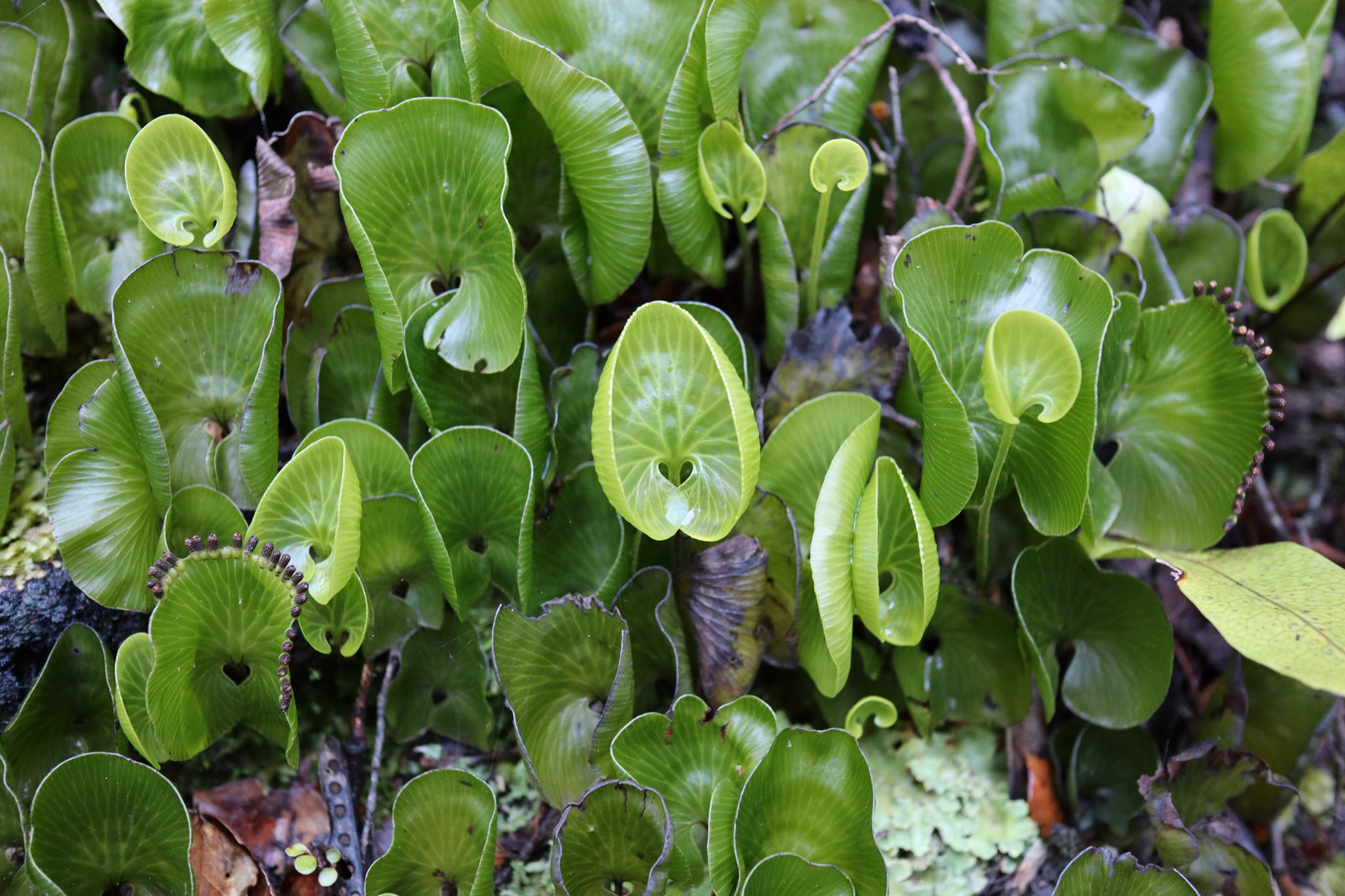

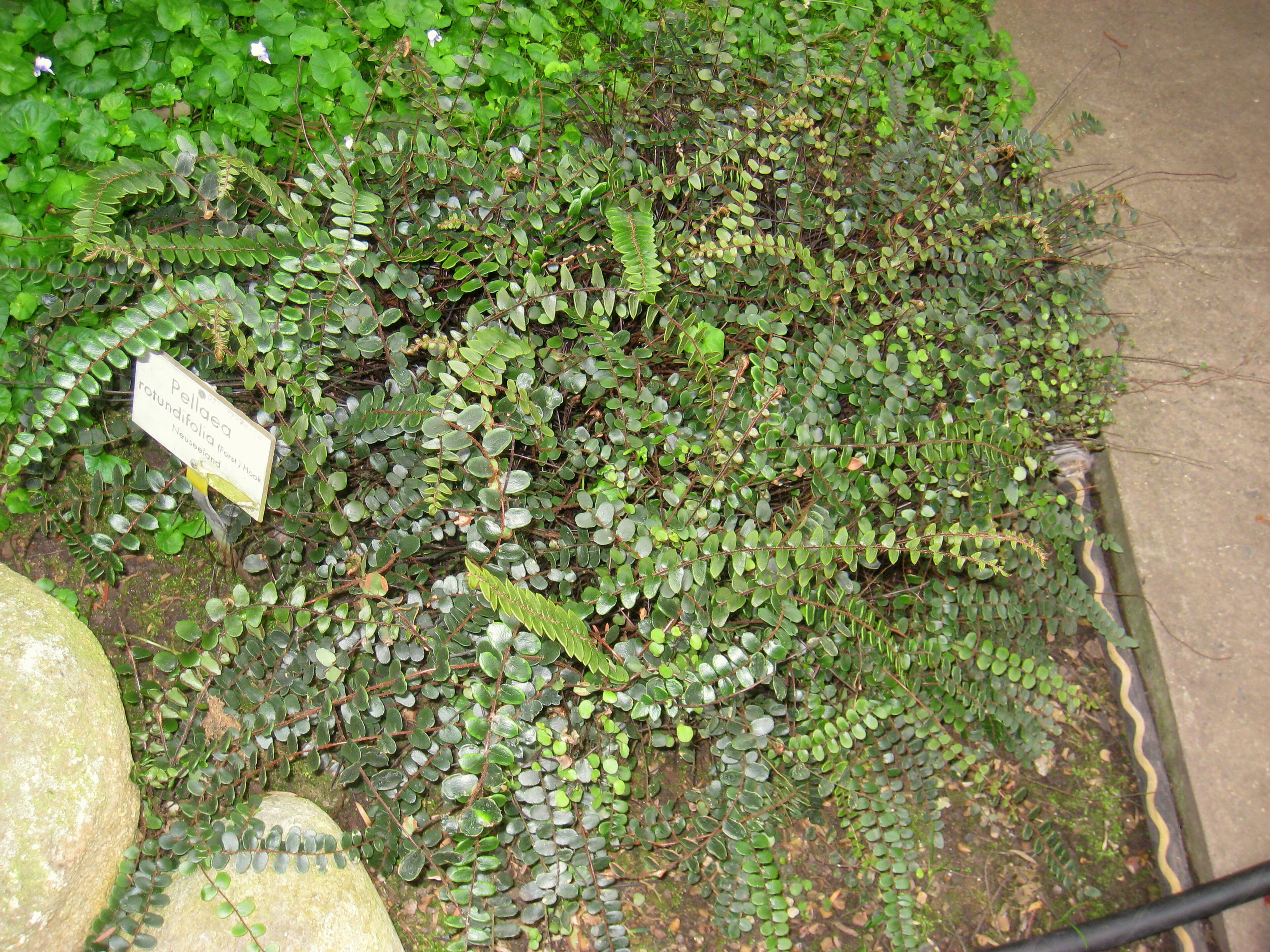

Possible effect and applications. These ferns contribute several early compound or direct-extract hypotheses, best used to resolve material identity.
A reproducible, identified active constituent might eventually support pain relief or recovery after neural injury. The immediate practical benefit is deciding which exact fern material merits further drug-discovery work. The current cell and extract evidence does not establish a common fern supplement or reliable human effect.
Evidence and mechanisms. Hymenophyllum calceolarioside A has a historical frond-isolation abstract and separate SH-SY5Y injury abstract with an unverified concentration unit. Pteris (2R)-pterosin B has external neural-cell evidence but no verified source bridge; a Paniculoside III pointer actually concerned a pterosin S glucoside. Pellaea rhodoxanthin source geometry remains unverified, while the mouse test material was a three-fraction mixture. Romanian Asplenium cultures showed gametophyte/sporophyte differences in gallic acid/rutin; that is a life-stage chemistry observation, not NZ neural efficacy. Malaysian-vouchered Dicranopteris extract has mouse antinociception, but chemical annotations cannot assign it to dichotomains.
Confidence and next research. Low for CNS benefit. Recover exact forms, units and extract controls; pursue the strongest direct-material chain rather than distributing activity among named constituents.
A40Pterophylla racemosa; Schefflera digitata; Acaena microphylla; Geniostoma ligustrifolium
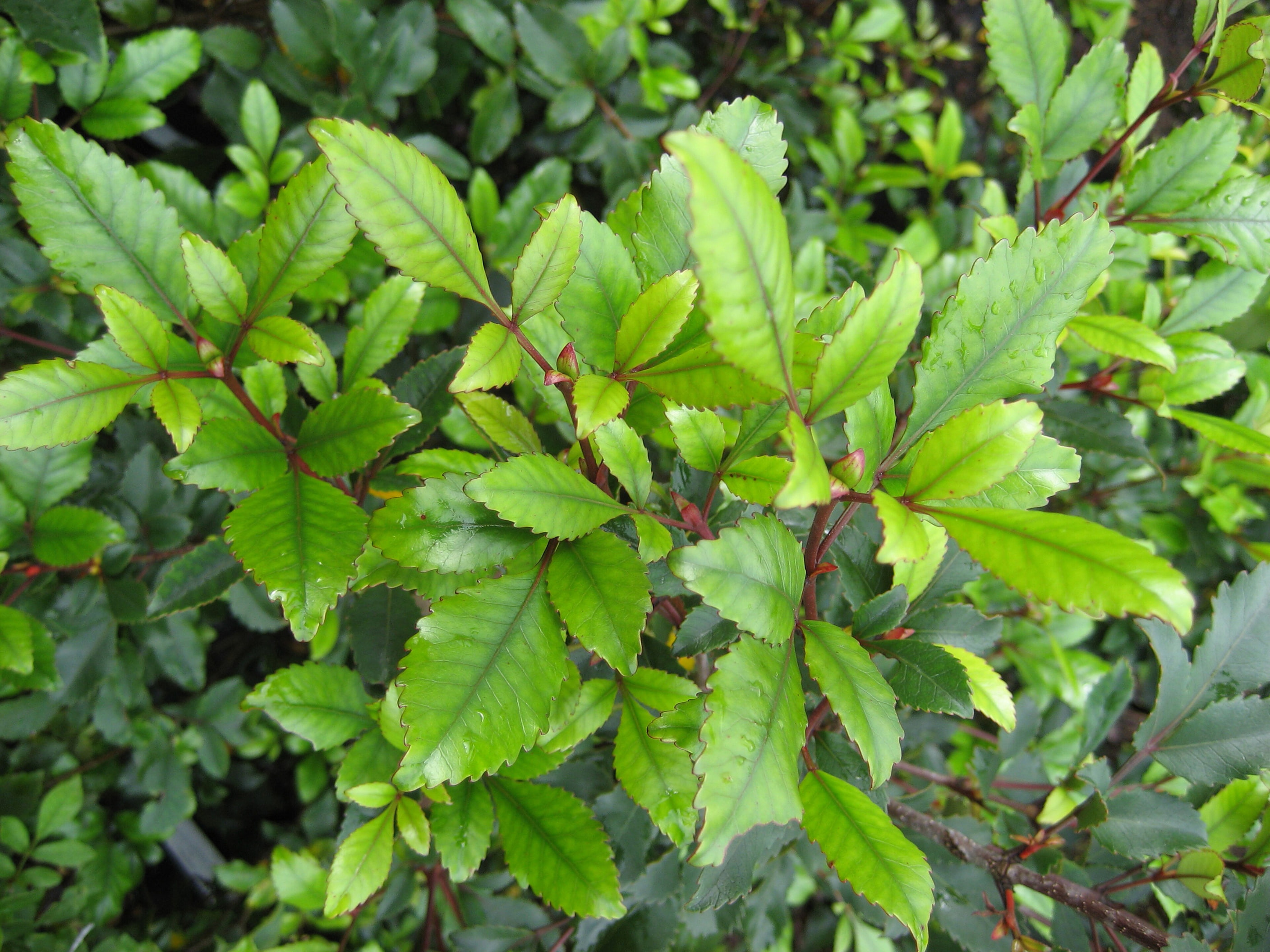
Possible effect and applications. The direct native-tree panel is useful for prioritising published fractions and comparing assay results and for comparing solvent-dependent assay specificity, not as proof of improved cognition.
The panel could help select fractions for a drug-discovery programme aimed at cognitive disorders. A medicine that preserves memory or independence would be the eventual patient goal. Enzyme inhibition alone neither predicts that benefit nor supports marketing these tree extracts as memory supplements.
Evidence and mechanisms. Pterophylla/source-era Weinmannia bark gave repeated AChE/BChE signals; Schefflera leaves BChE, and Acaena results depended strongly on solvent. The Geniostoma leaf assays show BChE/BACE1 signals in both solvents, with AChE below the study criterion. Extract-only optical interference, constituents and specimen provenance are unresolved. Replicate wells are technical replication, not independent biological studies. Kānuka's separate optimized BACE1 assay is discussed above.
Confidence and next research. Low for neural benefit. Recover assay blanks and orthogonal confirmation; then identify active constituents without attributing whole-mixture activity to an arbitrary database compound.
A41Austroderia toetoe
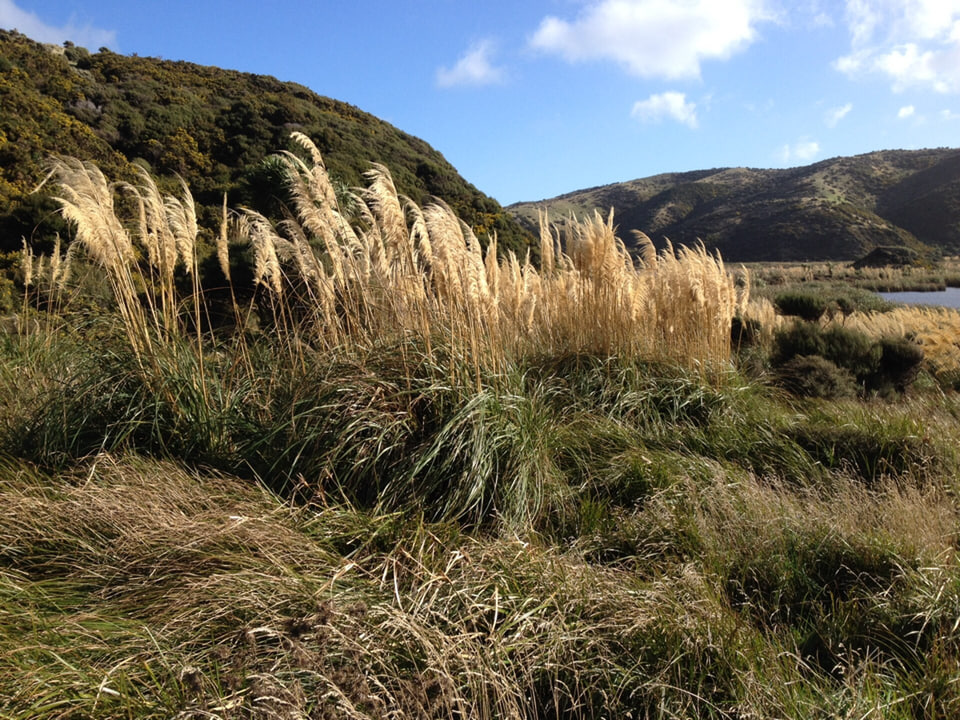
Possible effect and applications. β-Amyrin could be a chemically distinct synaptic candidate if the plant occurrence is authenticated.
If native β-amyrin occurrence is confirmed, it could supply a starting molecule for studying synaptic function. A cognitive treatment is a distant possibility requiring selective organism-level benefit. Potentiating another drug’s sleep effect may reveal a drug interaction rather than a useful natural sleep aid.
Evidence and confidence. Exact-name compound reports include rescue of amyloid-impaired hippocampal LTP and barbiturate-sleep potentiation. Native source attribution remains unverified. α-Amyrin was negative in one sleep-potentiation assay and lacked CB1/CB2 binding in the inspected experiment; α/β-amyrin and arundoin must remain separate. Confidence is low for the species effect.
Next research. Recover the original plant chemistry and exact isomer before expanding; distinguish spontaneous sleep from altered barbiturate metabolism.
A42Melicope ternata; M. simplex
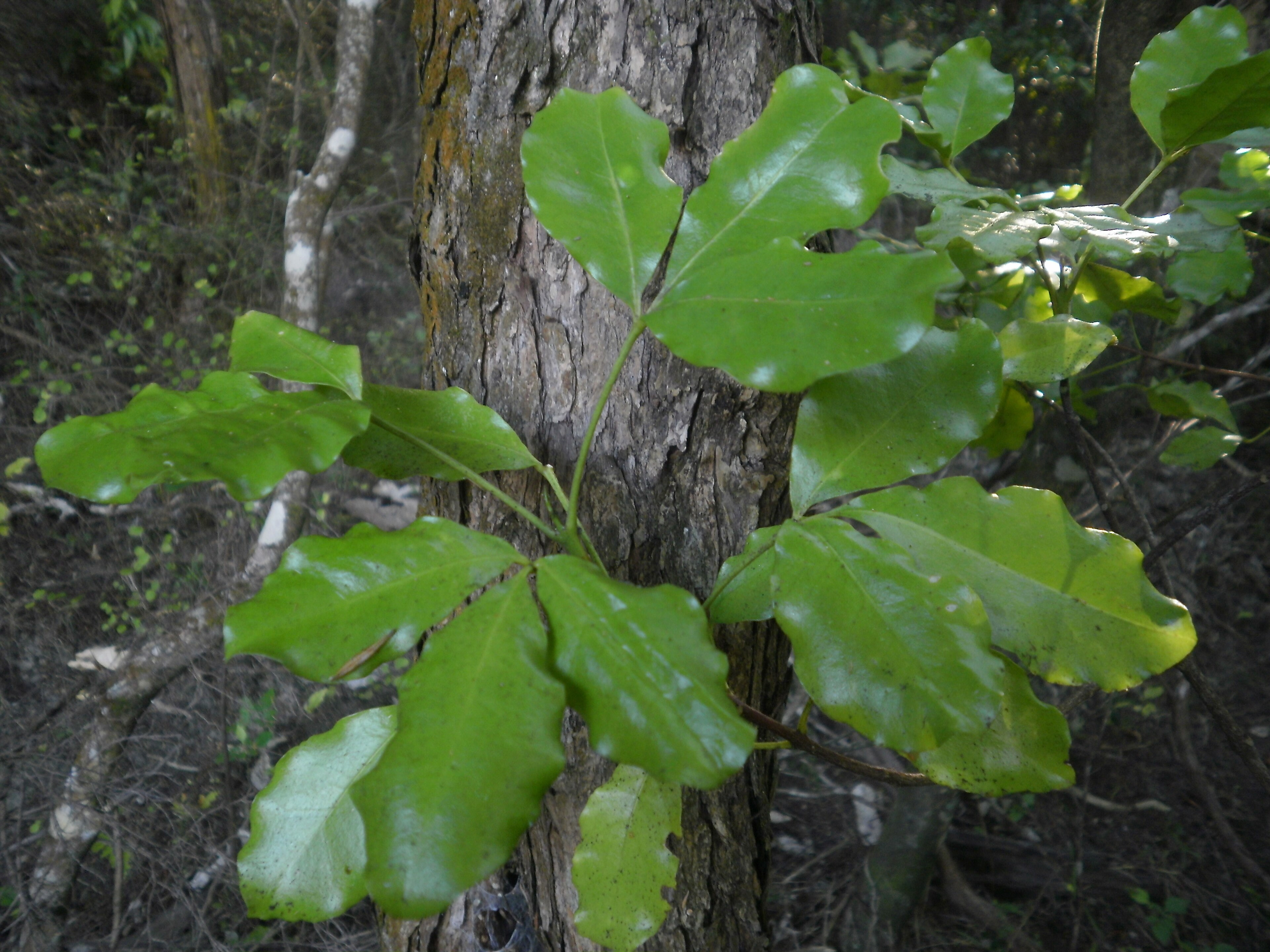
Possible effect and applications. Named flavones provide an early receptor-binding comparison, but none currently supports a selective sedative native preparation.
A useful application is understanding interactions that change sedative-drug exposure, potentially helping prevent unwanted impairment. The receptor-binding observations also offer comparative research tools. A safer or more effective sleep medicine would require selective functional evidence; longer barbiturate sleep is not itself such evidence.
Evidence and mechanism. Meliternatin/melisimplexin binding values came from Malaysian M. subunifoliolata material. Historical native source/structure continuity is provisional, with no functional efficacy or behaviour. Ternatin is different: a thesis reports pentobarbital sleep potentiation, possibly through reduced drug metabolism, and a hot-plate null alongside peripheral writhing reduction.
Confidence and next research. Low for central benefit. Resolve native chemistry and exact flavone identity; prioritise functional receptor evidence and exposure before interpreting binding or drug-interaction sleep as sedation.
A43Mucor moelleri / Zygorhynchus moelleri
Possible effect and applications. Culture-produced tryptophol gives an early fungal sleep-related chemical hypothesis.
If tryptophol has selective sleep-promoting action at tolerable exposure, a standardized molecule could be investigated as a sleep-treatment candidate. Controlled microbial production could eventually supply that molecule if technically and economically viable. Culture production alone does not imply a useful fungal supplement or psychedelic effect.
Evidence and confidence. The primary culture report shows medium/substrate-dependent production. Tryptamine was a substrate; the sleep-linked product is tryptophol, a different compound. Separate mammalian studies report sleep or sleep-like outcomes. Native status and a historical NZ soil isolation do not establish that the producing culture or useful exposure is NZ material. Confidence is low in a native fungal effect.
Next research. Recover exact producing-strain provenance, quantify relevant culture production and appraise objective sleep endpoints. Do not use tryptophol as evidence for a tryptamine/psychedelic claim.
A44Sepedonium ampullosporum
Possible effect and applications. Ampullosporins are useful mechanistic comparators for distinguishing selective nervous-system effects from nonspecific membrane disruption, with little present basis for a beneficial product lead.
The practical application is comparing membrane-active compounds so drug researchers can distinguish desirable neural effects from nonspecific disruption. That can help reject unsuitable candidates earlier. Hypothermia and impaired movement are not evidence of a beneficial sedative, recreational product or patient treatment.
Evidence and mechanisms. Culture chemistry and sequence crosswalks support ampullosporin A/I. Mouse hypothermia/reduced movement and membrane ion transport/disruption were reported. Additional primary experiments report B and D hypothermia similar to A; C was weaker, while E3 is a separate unresolved form. The culture's field provenance and NZ strain equivalence are not established. A peptaibol membrane effect is not proof of a selective neural channel.
Confidence and next research. Moderate in bounded animal/membrane activity, low in desirable selectivity. Compare exact sequences and membrane-injury thresholds with behavioural exposures; expand only if published data show separation from general toxicity.
A45Astelia solandri; Typha orientalis; Lemna source hypotheses; Ourisia macrocarpa; Neomyrtus pedunculata
Possible effect and applications. These are early cellular leads whose value is identifying the missing link between an identified source and a functional effect.
An identified molecule with selective glial or cellular activity could eventually enter a neural-repair drug-discovery programme. Better recovery after injury would be a meaningful patient goal. At this stage, resolving the native donor and active form is more useful than proposing a supplement or clinical benefit.
Evidence and mechanisms. Astelia seed-fat γ-linolenic acid links to an oligodendrocyte-culture paper; a group oil maximum is not a species concentration or proof of myelin function. Typha pollen polysaccharide has PC12 hypoxia protection without resolved composition/NZ material. Trigonelline has sensory-neuron firing/potassium-current and injury-LTP reports, but its Lemna native donor is unresolved. Ourisia 20-hydroxyecdysone and Neomyrtus 3-O-methylellagic-acid chemistry remain unverified; polypodine B is distinct and cannot inherit the former's assays.
Confidence and next research. Low. Resolve the exact native donor, tissue and molecule before additional cell/animal work. No current source establishes sleep or healthy cognition for these plants.
A46Centipeda minima
Possible effect and applications. An intact acylated-thymol candidate offers a specific cell-state comparison rather than general neuroprotection.
The main application is a research comparison showing how cell state changes a compound’s apparent protective or toxic effect. This can improve selection of drug candidates. A treatment that protects a human brain cannot be inferred from protection of one undifferentiated cell model.
Evidence and mechanisms. Yunnan whole plants, voucher CHYX0159, yielded author-assigned 8-hydroxy-9,10-diisobutyryloxythymol. Material with that name from Carpesium cernuum partly protected undifferentiated SH-SY5Y cells at 1–10 µM; differentiated cells were not protected and higher exposures were cytotoxic. Exact cross-source identity still requires review. Thymol β-glucoside is separate, not free thymol.
Confidence and next research. Low; no plant/neural behaviour established. Compare original identity references and cell differentiation/viability controls before promoting a neural-repair hypothesis. Chemistry, cell-state study.
A47Rorippa palustris
Possible effect and applications. A direct plant-extract mouse report is a recoverable early sedation-like lead, presently too inconsistent to rank highly.
A possible future product would be a sleep or relaxation aid only if the extract genuinely improves sleep or anxiety rather than suppressing movement. The current inconsistencies prevent that conclusion. Clarifying them could avoid developing a preparation that impairs daily function without relieving symptoms.
Evidence and confidence. The 2023 paper available in full text reports reduced hole-cross/open-field movement in male Swiss albino mice after Dhaka material labelled R. palustris. No voucher was supplied, and solvent, dose/route and table descriptions conflict. Movement suppression alone does not establish sleep, central action or safety. Confidence is low.
Next research. Resolve material and reporting contradictions from original data or an independent experiment; keep the result provisional and separate from NZ specimen evidence.
A48Thismia rodwayi
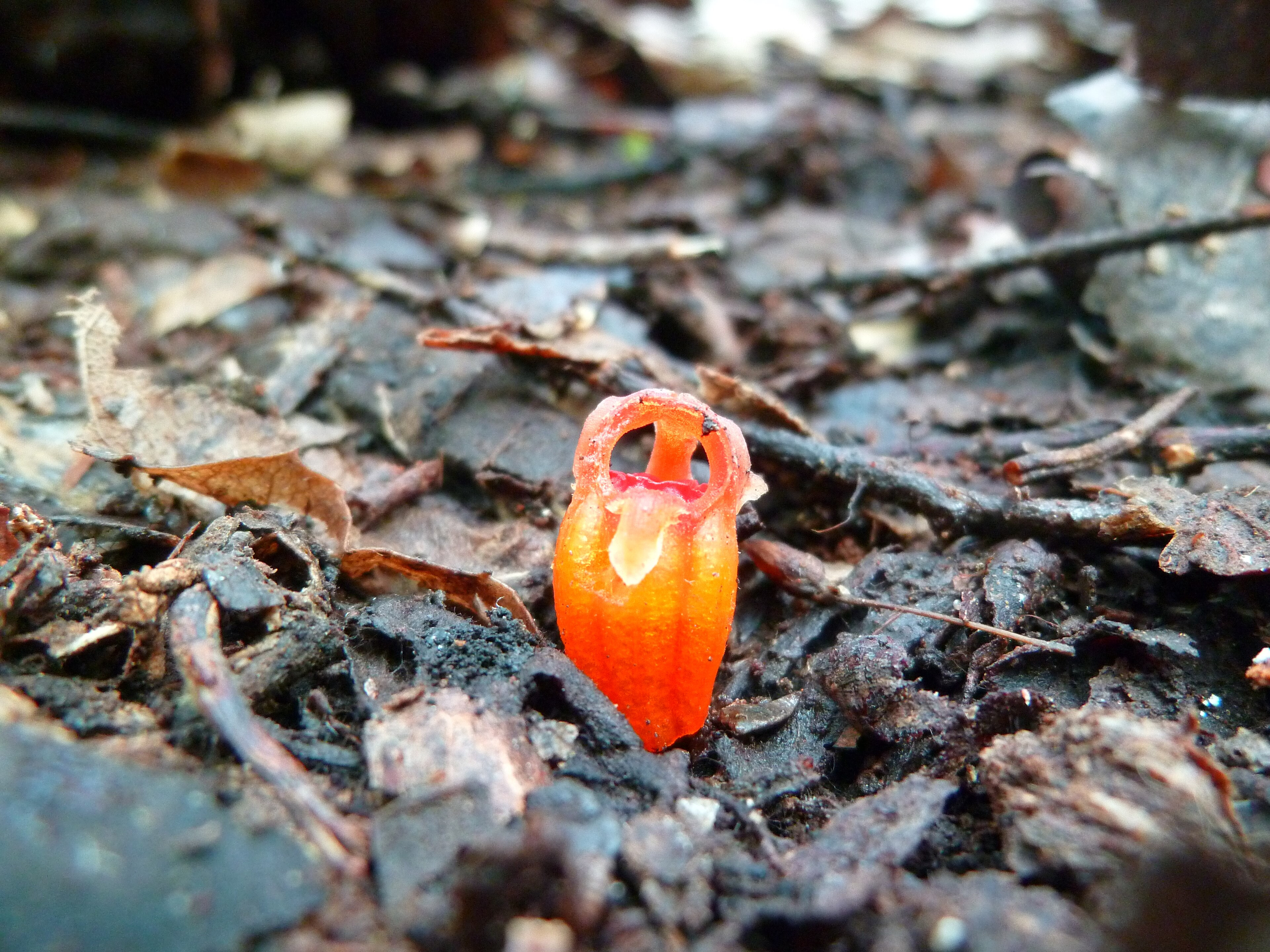
Possible effect and applications. The useful finding is a precisely bounded unusual floral-volatile inventory, without evidence for a beneficial CNS effect.
The useful applications are chemical-ecology research and careful screening of unusual volatile molecules. If an independently useful molecular activity emerges, it could become a separate discovery programme. The flower inventory and toxic comparators do not currently suggest a symptom-relieving, recreational or entheogenic product.
Evidence and mechanisms. Two flowers had reported myrtenal, myrtanol and 3-octanone signals, with producer/source configuration unresolved. Separate unspecified-myrtenal mouse injury work reports Y-maze and locomotor changes; (-)-(Z)-myrtanol insect toxicity cannot be assigned to the flower's unconfigured peak. High-concentration 3-octanone contact caused nematode paralysis and neuronal injury, not demonstrated reversible neural modulation. The inspected volatile result is in the 2005 article rather than the earlier account it cites.
Confidence and next research. Very low for a useful species effect. Resolve flower chemistry/producer and exact forms before further pharmacology. Retain high-exposure injury as hazard context, not an attractive psychoactive lead.
A49Hericium novae-zealandiae; Pleurotus australis; Flammulina stratosa
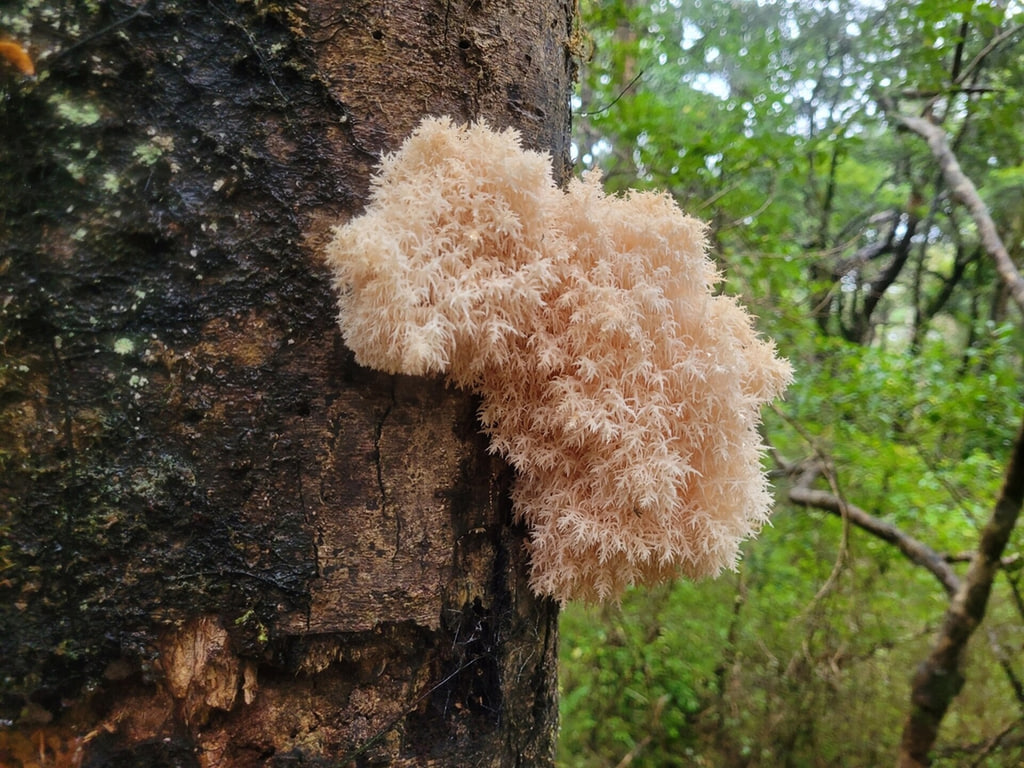
Possible effect and applications. The useful result is preventing commercially familiar mushroom effects from being silently transferred to distinct native taxa, while preserving real local chemistry.
A validated effect in an exact native species could eventually support a locally produced functional ingredient or medicine. The immediate benefit is avoiding misleading cognitive-product claims based on another mushroom species. Authentication and matched assays would protect consumers and make investment in a native mushroom industry better informed.
Evidence and confidence. H. novae-zealandiae has a culture chain to ICMP 21483, hericenone/lipophilic chemistry and weak extract AChE evidence at limited source depth. It has no established H. erinaceus-like human cognition result; the checked paper did not assay ergothioneine, so omission is not a nondetection. Auckland-forest P. australis has aqueous/polysaccharide non-CNS assays and a separate broth-mycelium polar-lipid roster, not a neural lead. Endemic F. stratosa is distinct from cultivated F. velutipes; enoki memory papers cannot be transferred. Confidence is low for native cognition benefit, high in the need for taxon separation.
Next research. Seek exact native material and a neuronal-function endpoint rather than another congener product paper. Keep forest fruiting bodies, culture substrate and mycelium distinct.
A50Conoideocrella luteorostrata; Orbilia/Arthrobotrys comparison
Possible effect and applications. Fungal chemical ecology supplies genuine toxic activities, but the assays do not currently support a useful human neural effect.
Selective activity against pests could eventually support biological-control products, with possible benefits for crop losses, farmer costs and agricultural production. Effective field performance and acceptable effects on other organisms would need to be demonstrated. These are ecological product possibilities, not evidence of a beneficial human brain effect.
Evidence and mechanisms. Torrubiellutins A–C came from a Thai insect-associated Conoideocrella culture; B–E material used a Hypocreales culture of unresolved species identity. NZ native status does not tie these strains to local exposure. Arthrobotrys oligospora strain YMF1.01883/ATCC 24927 volatile 5-methylfurfural has nematode toxicity/paralysis reports; that is not an authenticated Orbilia auricolor chemical bridge or a selective neuronal mechanism.
Confidence and next research. Moderate for some source-specific toxicity, very low for benefit. Close strain/species attribution and seek reversible functional versus injury discrimination only if a concrete new dataset exists.
A51Glossostigma, Euphrasia, Frullania and other source-corrected taxa
Possible effect and applications. Several proposed effects lack support because their sources concern a different organism, tissue or chemical form. Correct attribution prevents unsupported biological and product claims. The evidence score here is zero for a positive effect; confidence in particular corrections can be high.
Correct attribution can save research and product-development effort and reduce the risk of misleading supplement claims. It directs attention toward organisms that actually contain the proposed molecule or were actually tested. No medicine, symptom benefit or recreational effect should be inferred for a taxon whose positive evidence belonged to another organism.
Organism and source corrections. The proposed Glossostigma chemistry actually concerns Tricholoma fruiting bodies; Euphrasia nemorosa/pectinata citations described Phlomis tuberosa; four proposed Macropiper/Piper piperine attributions actually concerned P. nigrum, P. longum or P. tuberculatum. Ileostylus micranthus was confused with Nigerian Loranthus material; Lindsaea trichomanoides and Adiantum hispidulum inherited homonymous Adiantum names from other taxa; Vitex lucens inherited V. altissima chemistry; Frullania scandens inherited Japanese Jungermannia material. Frullania falciloba's phthalide was revised from 5,6- to 5,7-dimethoxy, leaving natural absolute configuration open. Teucrium parvifolium's cited rutinoside did not verify linarin; Ascarina lucida glycoside evidence did not establish free kaempferol. Selected Clematis forsteri and clubmoss chemical-occurrence claims have similar attribution problems and cannot be applied to those taxa.
Additional material/organism corrections. Marchantia berteroana cannot inherit the isolated-frog skeletal-muscle effects of chemically modified marchantin A trimethyl ether; that experiment neither tested parent marchantin A central behaviour nor demonstrated the proposed tubocurarine-like receptor mechanism. The dihydrolycopodine citation for Austrolycopodium aberdaricum, Diphasiastrum carolinum and several Lycopodium taxa actually described L. volubile from New Guinea. The affected chemical-occurrence claims for L. carolinum, L. clavatum, L. lagopus and L. obscurum do not establish the proposed source links; this does not imply species-wide chemical absence.
Other attribution limits. Pseudopanax/Neopanax arboreus polyacetylene citations name Dendropanax arboreus; Cameroon-labelled behavioural material does not authenticate this NZ endemic. Scandia geniculata's 79% “dill apiole” abstract and separate hexobarbital-sleep paper remain source/preparation-limited. Dracophyllum latifolium's conjugated kaempferol is not free aglycone. Silver-beech kaempferide citations referred to Nothofagus antarctica. Lepidothamnus intermedius diacetates were analytical derivatives. Lycopodium scariosum's tested extracts had a material-limited huperzine A nondetection, and Huperzia australiana lycodine cannot inherit huperzine activity. Lycopodium deuterodensum α-onocerin has an AChE lead with unresolved stereo correspondence.
Weak transfer controls. Passiflora tetrandra lost its anxiety ranking when the donor active-comparator trial failed to isolate a placebo effect. Scutellaria novae-zelandiae, Mentha cunninghamii, Piper melchior, Radula australiana/javanica and the Gymnopilus/Pluteus candidates remain chemistry-first rather than positive effects. Native Centella uniflora cannot inherit Centella asiatica cognition; Veronica cupressoides/stricta pectolinarigenin/forsythoside source links remain held. Taxonomic proximity establishes neither shared activity nor shared chemistry; incomplete coverage also cannot establish chemical absence.
Human comparator correction. Scutellaria lateriflora has one positive abstract-level healthy-volunteer report, while a later crossover study found no significant anxiety-score benefit and had baseline/carryover limits. Passiflora incarnata improved alongside an active comparator in a small trial without a placebo-only group. Neither result authenticates a mechanism or benefit in S. novae-zelandiae or P. tetrandra. Skullcap trial.
Next research. Reconsider an affected species when independently authenticated chemistry or a decisive identity dataset establishes its own source link. Resolve the specific attribution problem before applying another organism’s pharmacology.
2. Species whose effects, uses or biological topics were already known
These entries include established compound pharmacology, historical medicinal use, known toxicity and familiar biological questions. The entries focus on precise source chemistry, specific outcomes and the remaining questions that matter to an application. Historical reputation alone remains weak evidence of efficacy.
B1Sophora — eight native kōwhai species
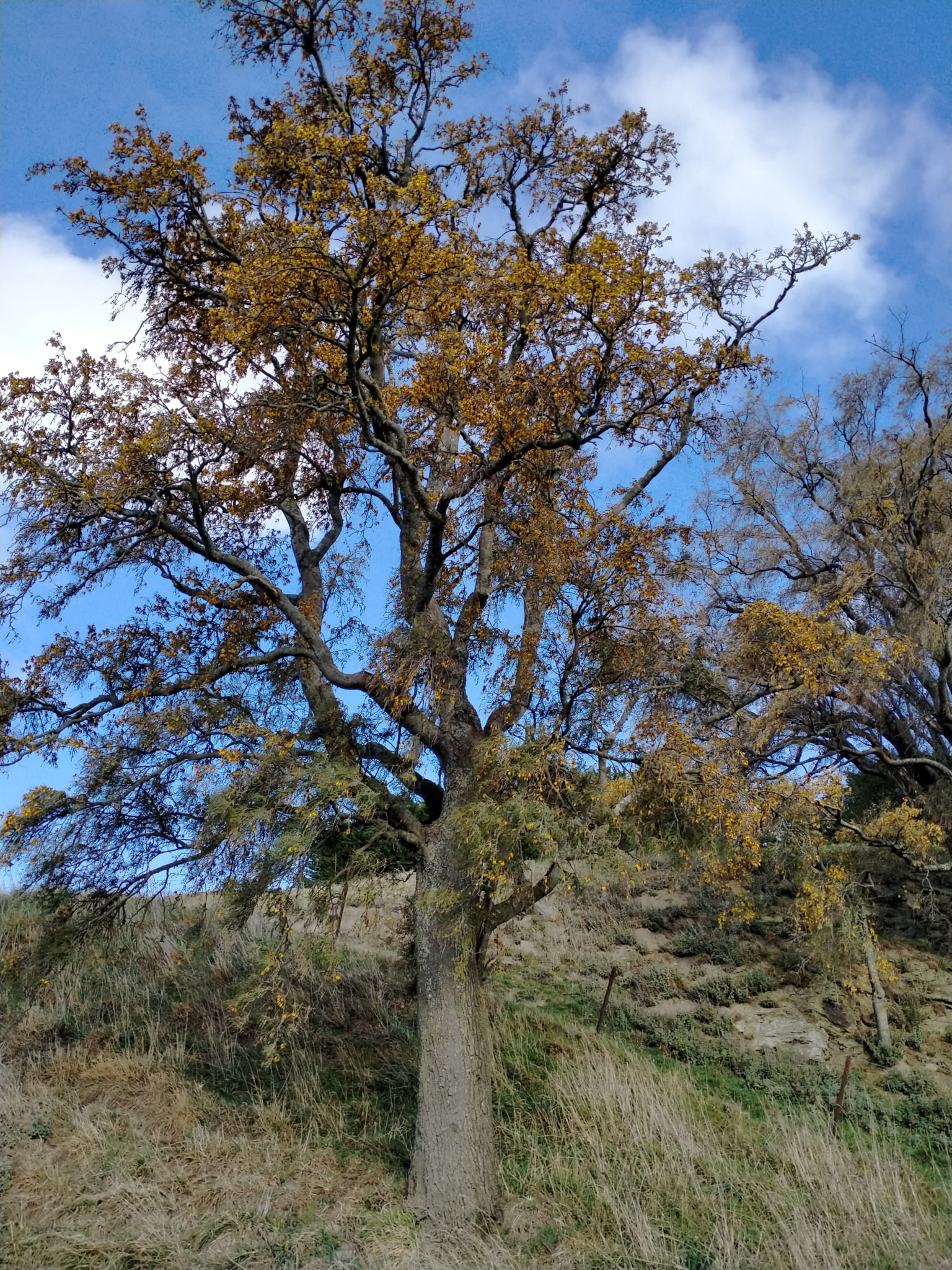
Possible effect and applications. Cytisine has the strongest narrow human benefit evidence among compounds linked to native species in this portfolio: smoking cessation. That makes kōwhai useful for botanical chemistry/biosynthesis research, while the therapeutic evidence belongs to manufactured cytisine/cytisinicline products.
The established human application is manufactured cytisine treatment to help people stop smoking, with the prospect of reducing the health and financial burden of continued tobacco use. The native kōwhai question is whether authenticated chemistry or biosynthesis could support a viable supply route. A lower-cost source would be commercially useful if demonstrated, but no such cost advantage follows from the current botanical evidence. The clinical evidence concerns defined manufactured products, not raw kōwhai preparations.
Chemicals and mechanisms. (-)-Cytisine has context-dependent partial agonism and desensitization at nicotinic acetylcholine receptors, especially α4β2. The chemistry survey links S. chathamica, S. fulvida, S. godleyi, S. longicarinata, S. microphylla, S. molloyi, S. prostrata and S. tetraptera. Those eight detections are one compound hypothesis, not eight independent pharmacological discoveries.
Evidence and confidence. The NZ survey supplies the source-assigned analyte, but relative measurements, co-alkaloids and sampling limits prevent reliable species potency ordering or equivalence to a clinical product. In the 740-person placebo trial, sustained verified 12-month abstinence was 31/370 versus 9/370. ORCA-3 randomized 792 participants; the 12-week regimen's primary cessation result was 30.3% versus 9.4%. That is strong domain-specific evidence, not a cognition, mood or psychedelic result. Trials reported abnormal dreams as adverse events without measuring vividness or separating cessation-related explanations. Rat latent-inhibition evidence remains limited; challenged mouse PPI was null. S. microphylla nectar bee narcosis/toxicity is a separate ecological endpoint. Toxic plant mixtures cannot inherit the manufactured product's evidence.
Confidence and next research. High for the narrow manufactured-compound cessation effect, moderate for source chemistry, low for other proposed effects or botanical use. Prioritise analyte-specific absolute calibration and independent native-material variability/co-alkaloid data. The main botanical question is reproducible source chemistry and production feasibility. Placebo trial, ORCA-3.
B2Radula marginata
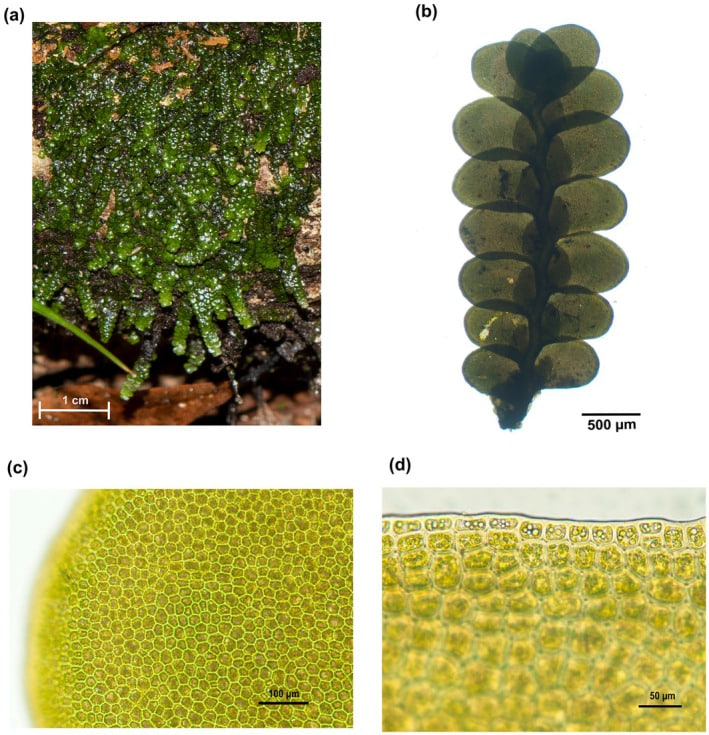
Possible effect and applications. Radula provides a particularly clear central-pharmacology example: a non-Cannabis bibenzyl cannabinoid with receptor, brain and animal evidence. Its value is as a contrasting cannabinoid scaffold whose receptor, exposure and behavioural effects can be compared directly. The key questions concern natural chemical identity, chemotype variation and whether the tested effects translate to a useful human preparation.
PET could provide a starting point for a cannabinoid medicine, with possible pain- or other symptom-directed development only after selective efficacy is demonstrated. Its central cannabinoid action also makes recreational subjective effects a plausible research question, but human intoxication, entheogenic experience and a safe preparation have not been established. A different receptor profile could motivate comparisons with THC; it is not evidence of fewer side-effects. Reproducible chemotypes might support controlled ingredient production if the natural chemical identity and relevant benefit are resolved.
Chemicals and mechanisms. Synthetic (-)-cis-perrottetinene (PET) is a CB1/CB2 partial agonist, with CB1-antagonist-sensitive mouse effects. Perrottetinene diol (PTD), acids and other bibenzyls are different compounds. Brain prostaglandin changes distinguish PET from THC in that experiment, without proving clinical superiority or a safer human profile.
Evidence and confidence. The 2018 primary pharmacology paper reports hypothermia, catalepsy, rotarod impairment and altered hot-plate response plus measurable total brain compound. Rotarod measures motor performance, not spontaneous ambulation, and can complicate pain interpretation. One pharmacology paper is not independent replication. The 2025 R. marginata chemistry programme includes 75 collections from 17 colonies at three sites; they are not 75 independent populations. PET ranged from nondetection to 11 mg/g freeze-dried material, with PET- versus PTD-dominant profiles and seasonal/site variation. Cultivation data support source-associated profile persistence but do not establish genetic causation with independently replicated cultivation units. Stereochemical comparisons support historical correspondence, yet a directly checkable complete configuration for the voucher-linked native isolate remains open. A PTD seizure patent tested an opposite enantiomer to the proposed natural form and cannot establish natural PTD activity.
Confidence and next research. High for the tested synthetic PET's cannabinoid pharmacology; moderate for the exact natural-source link; low for whole-liverwort human benefit. Resolve native-isolate absolute configuration, use the actual colony/time sampling structure for chemotype models, and seek an independent endpoint study. Independent functional and exposure data would be more informative than additional receptor-background summaries. 2018 pharmacology, 2025 chemistry.
B3Perna canaliculus — green-lipped mussel
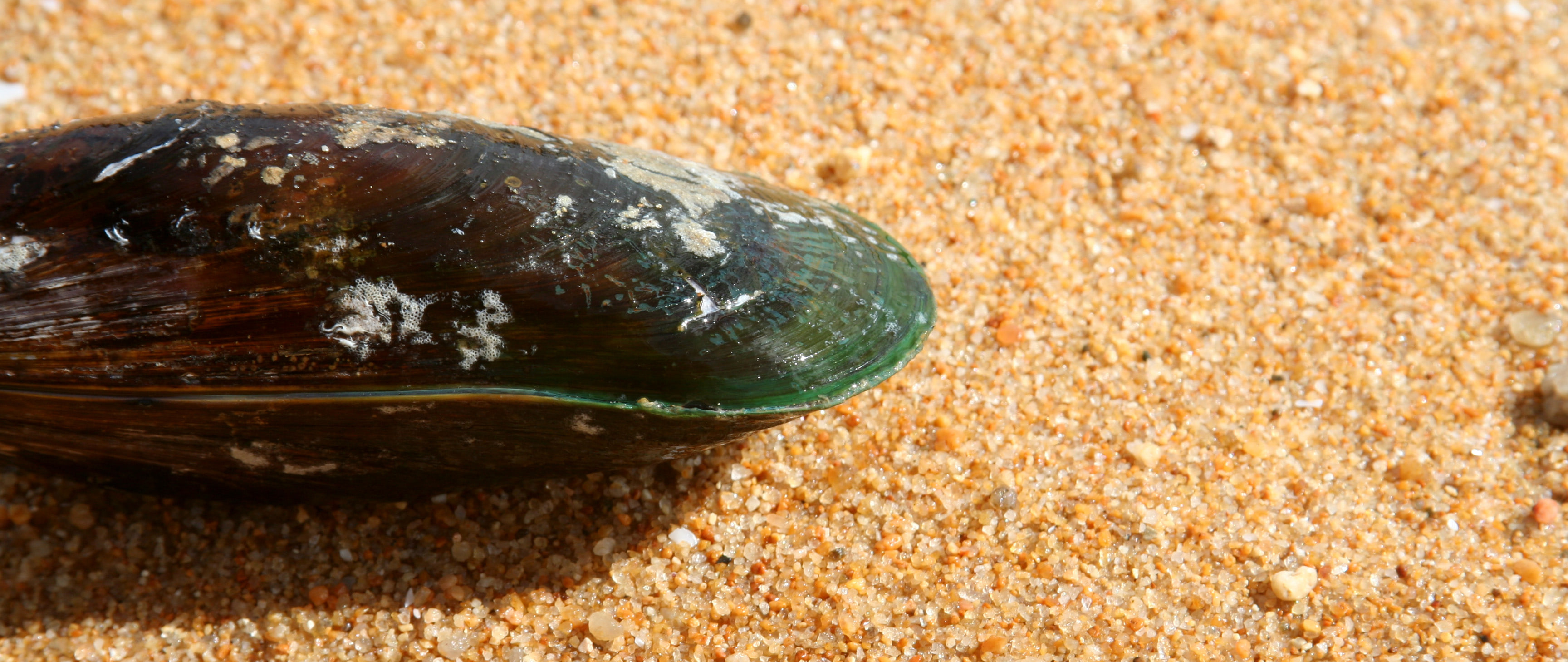
Possible effect and applications. A specific standardized marine lipid extract has a narrow human recognition-memory signal, making this more directly relevant to human cognition than most plant leads. The useful possibility is a replicable effect in a defined population and test, not general memory enhancement from eating mussels.
If the transient recognition-memory result is independently replicated and shown to matter in daily life, the application could be a standardized marine supplement for a defined population. Better learning-related function or quality of life would need to be measured directly. The null primary ADHD outcome means the trial does not establish an ADHD treatment, and the result does not transfer to ordinary mussels. A credible, preparation-specific benefit could add value to marine ingredient production.
Chemicals and mechanisms. PCSO-524 is a standardized lipid mixture. Inflammatory/lipid pathways are proposed, but no mediator was shown to cause the cognitive result.
Evidence and confidence. The randomized placebo-controlled study enrolled 144 children/adolescents with elevated hyperactivity/inattention; the cognitive analysis used 85. Recognition accuracy differed at week 8 (p=0.02, d=0.56) but not week 14. The primary parent-rated ADHD outcome was null; attention subgroup claims were post hoc/exploratory. Prespecification of exact score/contrast remains unresolved. The reported contrast is narrower than the benefit implied by the paper’s title. Confidence is moderate that the reported transient contrast exists, low in durable clinical benefit.
Next research. Reconcile protocol, analysis plan, outcome multiplicity and cognitive missingness; search for independent extract-matched replication. Neither ordinary seafood nor another marine-oil product is the tested material. Trial, protocol.
B4Tetragonia tetragonoides; T. trigyna boundary
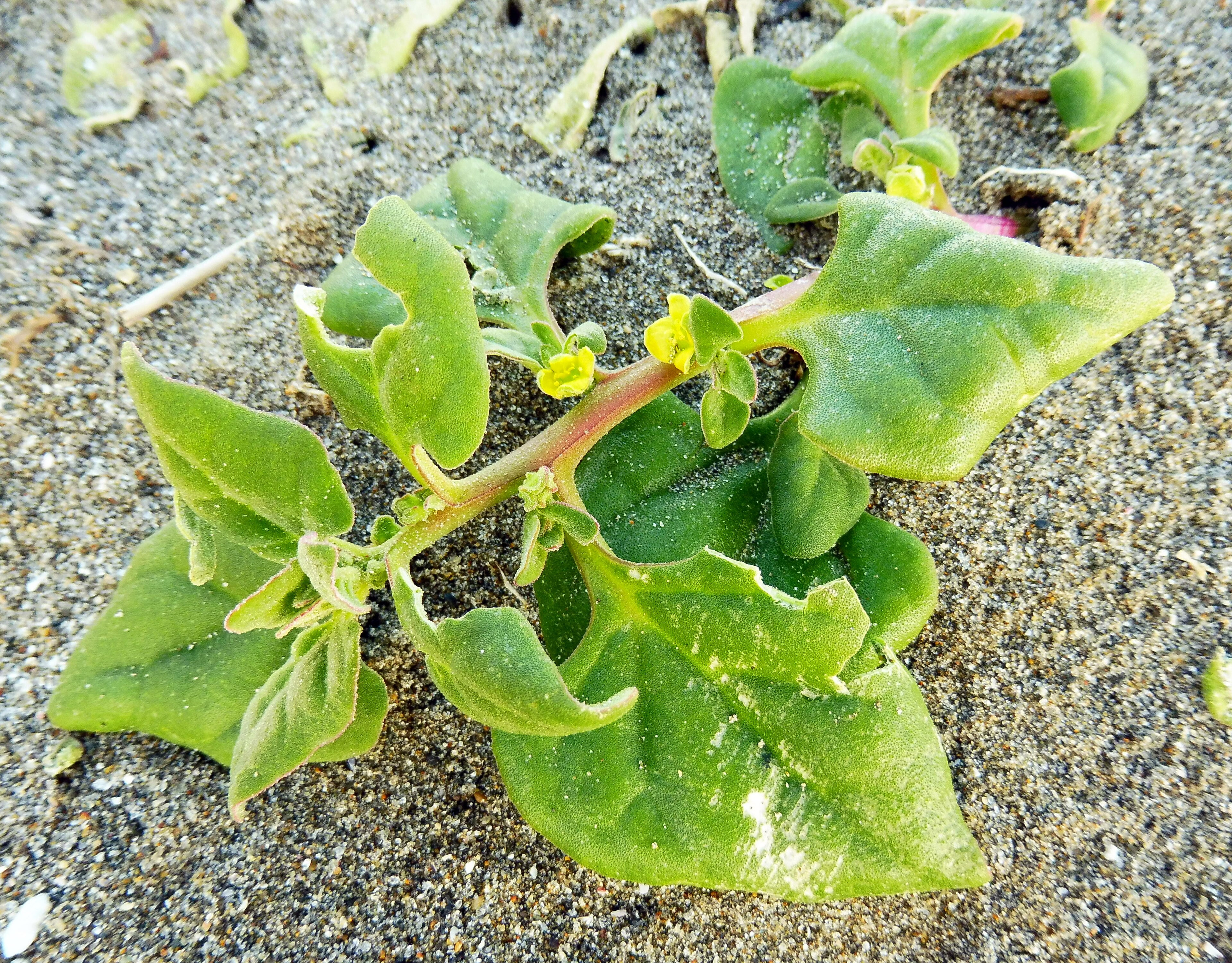
Possible effect and applications. This has direct species-labelled extract-to-animal behaviour, making it worth retaining for stress-state research. Interpretation depends on the actual behavioural endpoint, extract identity and independence of the studies.
The longer-term goal is a standardized food-derived preparation or identified compound that relieves mood symptoms in a defined patient group. If human benefit were established, this could support cultivated ingredient production and improve daily quality of life. Food familiarity does not establish that an extract is effective or that normal consumption reproduces the tested exposure; the active ingredients remain unresolved.
Chemicals and mechanisms. Extract constituents remain unresolved as causal agents. Glial restoration, serotonin turnover and inflammatory/metabolic changes are candidate explanations, not demonstrated receptor mechanisms.
Evidence and confidence. Two studies provide the main mood-related evidence: 2019 ovariectomized rats showed lower forced-swim immobility with 1%/2% dietary extract, without a separate locomotor assay or sham arm; 2021 L-AAA prefrontal-injury mice showed improved sucrose preference and lower FST/TST immobility, with a nonsignificant open-field distance result. Dosing in the latter began before injury, so it cannot be relabelled an established post-injury treatment. An open-field null does not rule out all confounds. A separate cognition paper concerns another challenged model. The 2022 rat forced-swim result was framed as muscular endurance and linked to grip performance; it is not a third antidepressant replication. The Korean patent repeats the 2019 data. All are author-assigned overseas preparations without established NZ collection equivalence, and T. trigyna is not the tested species.
Confidence and next research. Moderate for model-specific extract behaviour, low for selective mood/healthy-memory or human benefit. Reconcile vouchers, extract composition, endpoint sample counts and movement controls, then seek independent, preparation-matched evidence. 2019 paper, 2021 paper, 2022 endurance context.
B5Laurelia novae-zelandiae — pukatea
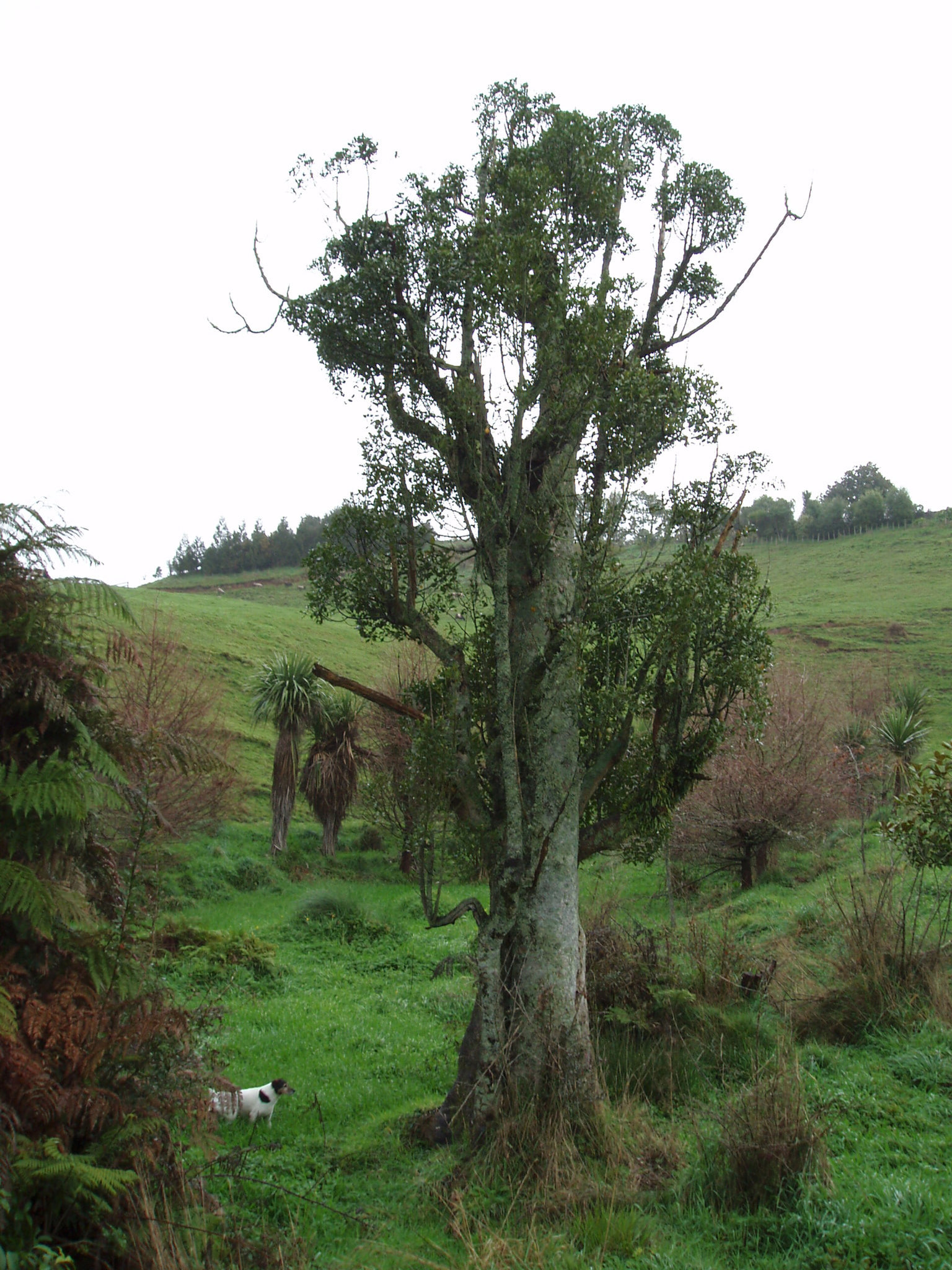
Possible effect and applications. Pukateine gives a comparatively direct source-to-pharmacology chain and a dopamine-related research tool. It may inform selective dopaminergic mechanisms, but the observed behaviour does not establish a generally stimulating or beneficial plant effect.
Pukateine could help investigate dopamine-related medicines for a particular motor or signalling disorder. A useful treatment would improve practical function without the convulsive or respiratory effects described for crude materials. Circling in selected lesioned animals does not demonstrate relief of a human movement disorder or a beneficial recreational stimulant.
Chemicals and mechanisms. (R)-Pukateine has D1/D2 binding, weaker dopamine-uptake inhibition and a local-perfusion extracellular-dopamine result. Binding does not establish receptor agonism. Eudesmin/yangambin lignans are separate potential sedative compounds with unresolved source/assay stereochemistry.
Evidence and confidence. The behavioural material was isolated from pukatea bark. Circling occurred in dopamine-lesioned rats selected for apomorphine responsiveness; a systemic dopamine-release condition was null, while local brain perfusion bypassed the blood-brain barrier. The paper’s hydrochloride wording refers to boldine, not pukateine. Malcolm's early animal report adds crude alkaloid-related gait, convulsive and respiratory observations, not a selectively beneficial purified-compound effect.
Confidence and next research. Moderate for source-linked dopaminergic activity in the restricted model, low for healthy/human benefit. Seek published systemic exposure, functional receptor direction and unlesioned behavioural discrimination. Preserve old toxicity context and exact salt/solution state. Primary pharmacology.
B6Piper excelsum — kawakawa; P. melchior boundary
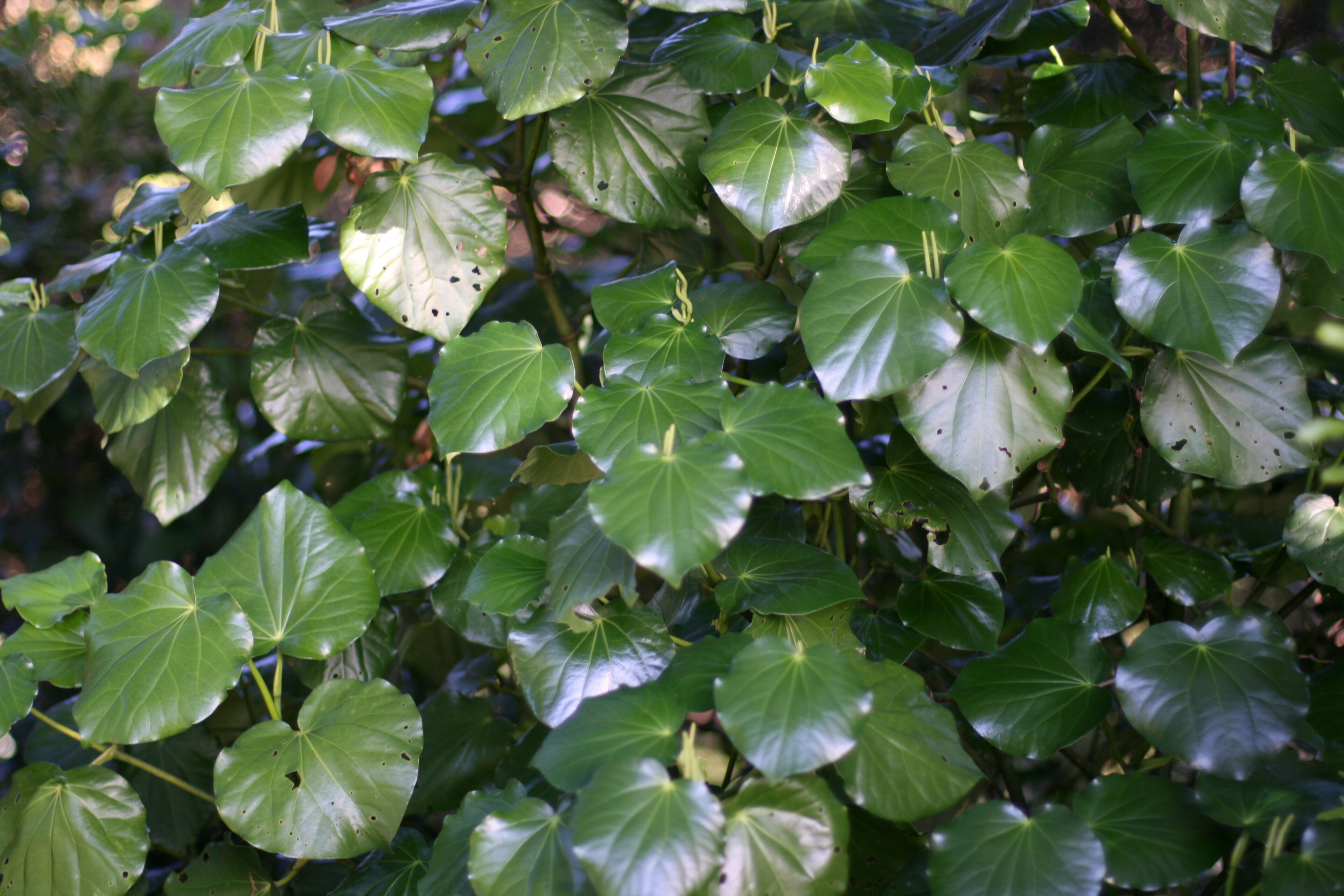
Possible effect and applications. Kawakawa's medicinal reputation is established context; the newer useful findings are precise dopamine chemistry and several distinct compound-function hypotheses. They offer tools for investigating local sensory or channel action, not a verified kava-like anxiety preparation.
A possible development goal is a standardized ingredient or medicine that modifies local sensory signalling, potentially easing a defined pain symptom. Clinical efficacy and a tolerable exposure would need to be established for that preparation. A validated product could support cultivation and processing, but leaf dopamine does not imply improved mood or central stimulation, and kawakawa cannot inherit kava’s anxiety-trial results.
Evidence and mechanisms. LC-MS/MS with authentic standards detected author-assigned dopamine in processed NZ leaves from Arapaoa Island and Pōhara. The reported feature numbering is inconsistent, but the underlying analyte evidence supports the dopamine identification. Exogenous dopamine neuronal physiology does not show that leaf dopamine reaches central targets. Piperine has separate TASK/TRESK, NK1R and weak patent GlyT1 data; native peak/geometry/source details remain qualified, and four proposed piperine source claims concern other Piper species. Myristicin's high-concentration GABA_A effect is another separate hypothesis. A piperlongumine comparator mention did not establish its occurrence. Piper melchior remains without a sufficient species chemistry bridge.
Human comparator evidence. Piper methysticum kava had an anxiety benefit in a 58-participant placebo-controlled analysis, but a later 171-participant trial found no significant advantage for its preparation. Human evidence for the comparator is therefore mixed and preparation-specific; neither trial tested kawakawa or P. melchior. Positive trial, larger null trial.
Confidence and next research. High in the bounded dopamine detection, low in a species CNS benefit. Prioritise independent source-specific chemical quantification and exact-form functional/exposure evidence. Do not infer oral central action from transmitter detection or transfer kava trial results by genus.
B7Leptospermum scoparium; modern-taxon boundary
Possible effect and applications. Mānuka has an existing sedative-use history and several distinct experimental findings, making precise preparation and mechanism recovery worthwhile.
The human possibility is a reproducible preparation that helps sleep or eases anxiety, improving rest and daily functioning if its benefit is demonstrated. Existing use history is a reason to investigate, not proof of efficacy. The bee-learning findings instead concern ecological effects that may matter to pollination; they do not establish improved human memory.
Evidence and mechanisms. Goldie's 1904 sedative infusion entry is historical use, not a measured human outcome. A 1994 abstract reports flavone flunitrazepam competition and non-linear rat tincture movement effects, with material/method details missing. Separate chemical studies link 5,7-dimethoxy-6-methylflavone to a species-attributed extract and other flavones to NZ leaf surfaces; that does not prove those samples supplied the receptor or rat assays. Cineole mouse/current findings are isolated-compound evidence. Waiouru 2-heptanone headspace links to separate honeybee habituation/dishabituation work, not human memory. A mānuka–kānuka gargle trial reports nonsignificant, unquantified secondary coping/mood results; the mixed preparation cannot isolate either plant's effect. Historical names cannot silently specify modern L. hoipolloi or L. repo.
Confidence and next research. Low-to-moderate for measured compound/material leads, low for human sedation. Resolve the original 1994 tables and material chain; preserve the gargle null and assay versus tincture separation. 1994 primary abstract.
B8Pseudowintera colorata; P. axillaris boundary
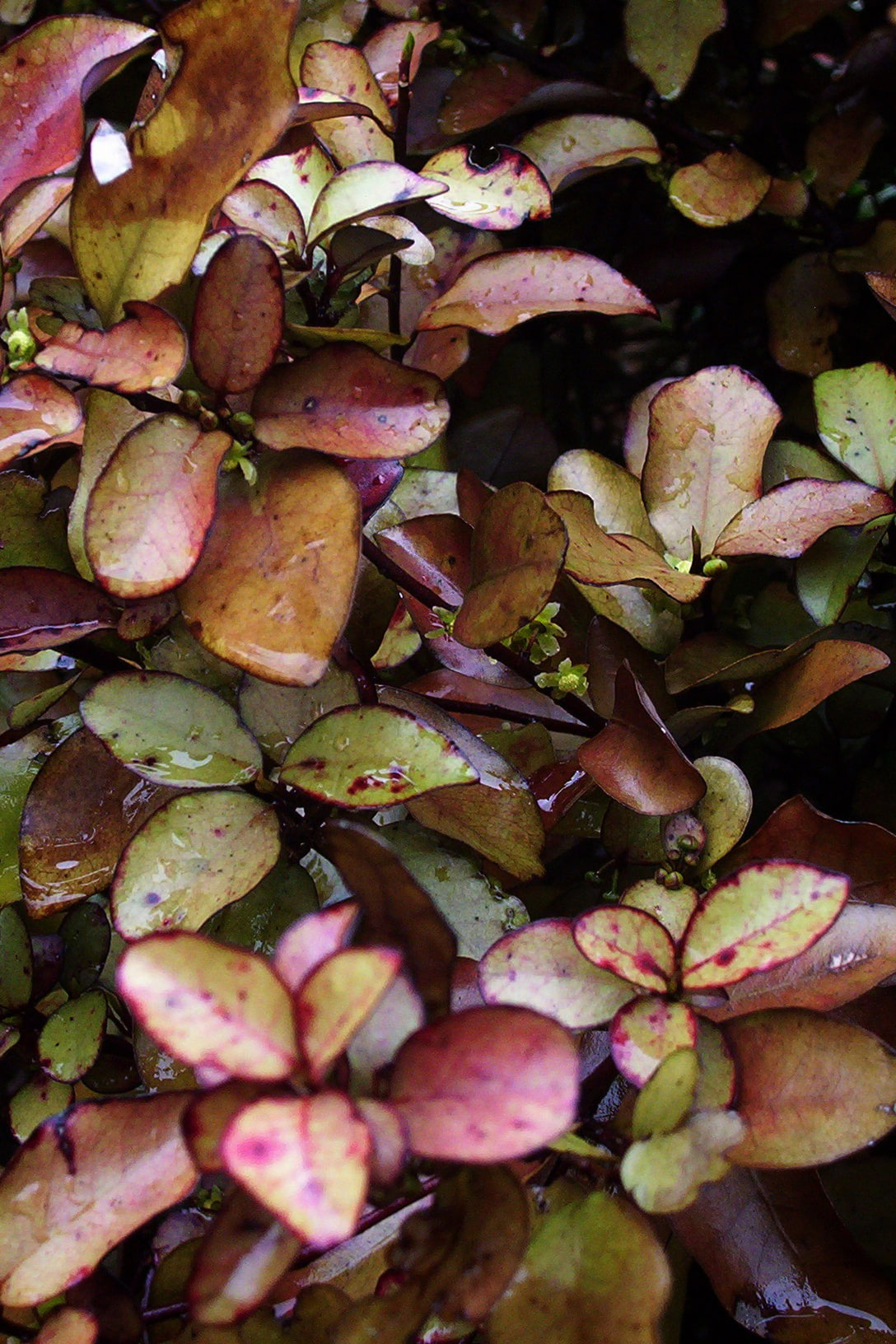
Possible effect and applications. Horopito's traditional sensory/pain use offers a peripheral-channel question, with polygodial a plausible research tool.
The more credible development direction is localized or peripheral pain relief, with reduced discomfort and better function as the goals. Polygodial’s sensory activity could help identify a useful compound or formulation, but irritation must be separated from benefit. This is not evidence for a calming, intoxicating or broadly beneficial plant supplement.
Evidence and mechanism. Existing P. colorata chemistry intersects sensory-channel/pain assays. Exact source absolute configuration and a high-concentration uninjected-oocyte control remain unresolved. P. axillaris congener dialdehydes are distinct. Historical “stimulant” language does not measure alertness, and common-name attribution may not distinguish species. Endophyte-culture polygodial production is not established by the available evidence.
Confidence and next research. Moderate for the sensory-compound hypothesis, low for central effects. Resolve exact source/assay stereo and discriminating controls before proposing central benefits; peripheral symptom relief remains the more plausible application.
B9Dodonaea viscosa
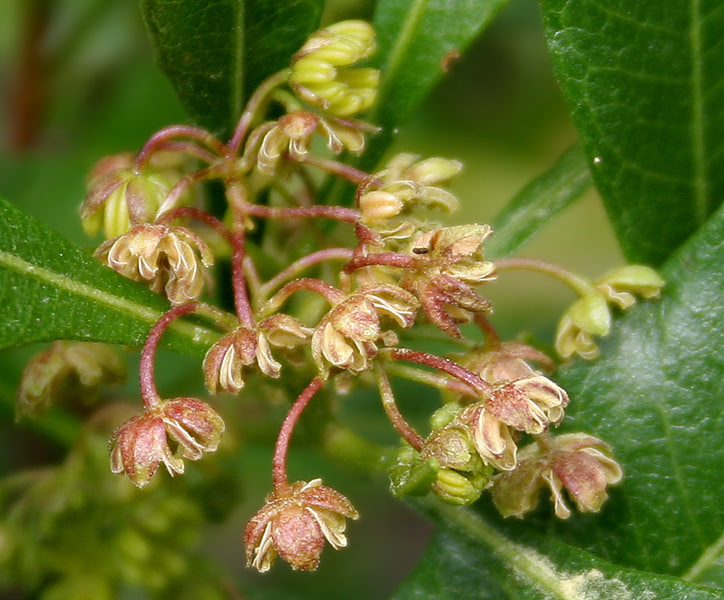
Possible effect and applications. A pre-existing leaf-chewing stimulant account and separate extract animal experiments justify a bounded pharmacognosy question, not a newly overlooked psychoactive species.
A useful product would need to relieve a specific symptom, such as anxiety, or reliably improve alertness without impairing function. Those are competing hypotheses rather than one established effect. Traditional stimulation accounts and drug-sleep potentiation do not currently support an effective human supplement.
Evidence and mechanisms. Kew records traditional stimulant chewing in Colombia/Peru, without measured effect or NZ use. Stem-bark experiments report an EPM pattern and phenobarbitone-sleep potentiation in rats; motor, illness and drug-metabolism alternatives remain unresolved. Crude bark, chewed leaves and pure constituents cannot be merged.
Confidence and next research. Low-to-moderate for the extract animal observation; low for a validated human stimulant effect. Recover original ethnobotanical provenance and preparation-specific controls; prioritise selective function over repeated historical quotations.
B10Psilocybe and other psilocybin-assayed fungi — NZ links qualified
Possible effect and applications. Psilocybin/psilocin pharmacology is well known; the native-species question is which exact indigenous NZ fungi have specimen-linked chemical evidence. Better identification would support reliable biological and chemistry research, not novelty in psychedelic mechanism.
The established chemical class can produce psychedelic experiences, including experiences described as recreational or entheogenic. A medical development goal is relief of treatment-resistant depression and improved daily functioning through a defined-compound treatment with psychological support. A phase 2 trial of synthetic psilocybin reported a short-term reduction in depression scores at its higher tested exposure, alongside adverse effects; that is clinical compound evidence, not evidence for a native mushroom preparation. Clinical trial. This report’s species findings concern identification and chemistry: they do not establish therapeutic efficacy, a reliable preparation or a particular experience from an authenticated indigenous NZ fungus. Better specimen-linked evidence would support biological research rather than a new psychedelic mechanism.
Chemicals and mechanism. Psilocybin is converted to psilocin, whose serotonin-receptor activity, especially at 5-HT2A, underlies its psychedelic pharmacology. This background does not establish the amount or effect of any untested fungal specimen.
Comparative analytical inventory. One 2022 study anchors sample-specific psilocybin records for Gymnopilus dilepis; Pluteus americanus, P. glaucotinctus and P. salicinus; Inocybe aeruginascens and I. corydalina; Panaeolus cinctulus; Pholiotina cyanopus; and Psilocybe caerulescens, P. caerulipes, P. cubensis, P. cyanescens, P. medullosa, P. mexicana, P. ovoideocystidiata, P. semilanceata, P. serbica, P. subaeruginosa and P. zapotecorum. The depth of chemical and specimen evidence varies among these taxa. Below-detection results for the tested Inocybe calamistrata, Panaeolus foenisecii/olivaceus/papilionaceus, Psilocybe fimetaria/fuscofulva, Stropharia aeruginosa and Agaricus bisporus collections are material-specific. One multi-species study is not independent pharmacological replication, and these comparator samples do not establish indigenous NZ provenance. Primary analytical study.
Evidence and confidence. P. makarorae has a published chemical claim based on unpublished analyses, without tested-voucher/analytical linkage. An authenticated analyte-specific P. weraroa assay is not established here; an Ehrlich non-reaction is not proof of absence. P. subaeruginosa source/origin conflicts and P. aucklandiae regional-status uncertainty remain unresolved. Gymnopilus allantopus/crociphyllus and Pluteus velutinornatus/veronicae have taxonomic/phylogenetic leads but no qualifying species chemical bridge. No specimen in the evidence assembled here simultaneously establishes confirmed indigenous status, authenticated identity and linked chemical analysis. This is a coverage limit, not a claim that the fungi lack these chemicals.
Next research. Resolve primary analytical records and voucher-linked sequences. Receptor background and genus proximity cannot replace exact-specimen chemical evidence.
B11Inocybe scissa; provisional I. caerulata
Possible effect and applications. The important distinction is muscarine toxicity rather than a psychedelic lead.
The immediate human benefit is improved poisoning recognition and clearer identification of hazardous mushrooms. Muscarinic pharmacology can also supply research tools for receptor studies. Muscarine poisoning is not a useful psychedelic or entheogenic effect, and these findings do not support a recreational or therapeutic preparation.
Evidence and mechanism. I. scissa has a Tasmanian voucher measurement matched to a muscarine standard. A directly tested NZ I. caerulata specimen was a nondetection; neither result generalizes across the genus or populations. Confidence is high in these bounded assay outcomes, lower in untested native-material generalization.
Next research. Retain specimen/voucher and analyte limits in fungal prioritisation. Seek independent exact-species assays only where they change identification or exposure understanding; do not score a muscarine finding as psychedelic benefit.
B12Urtica ferox — ongaonga
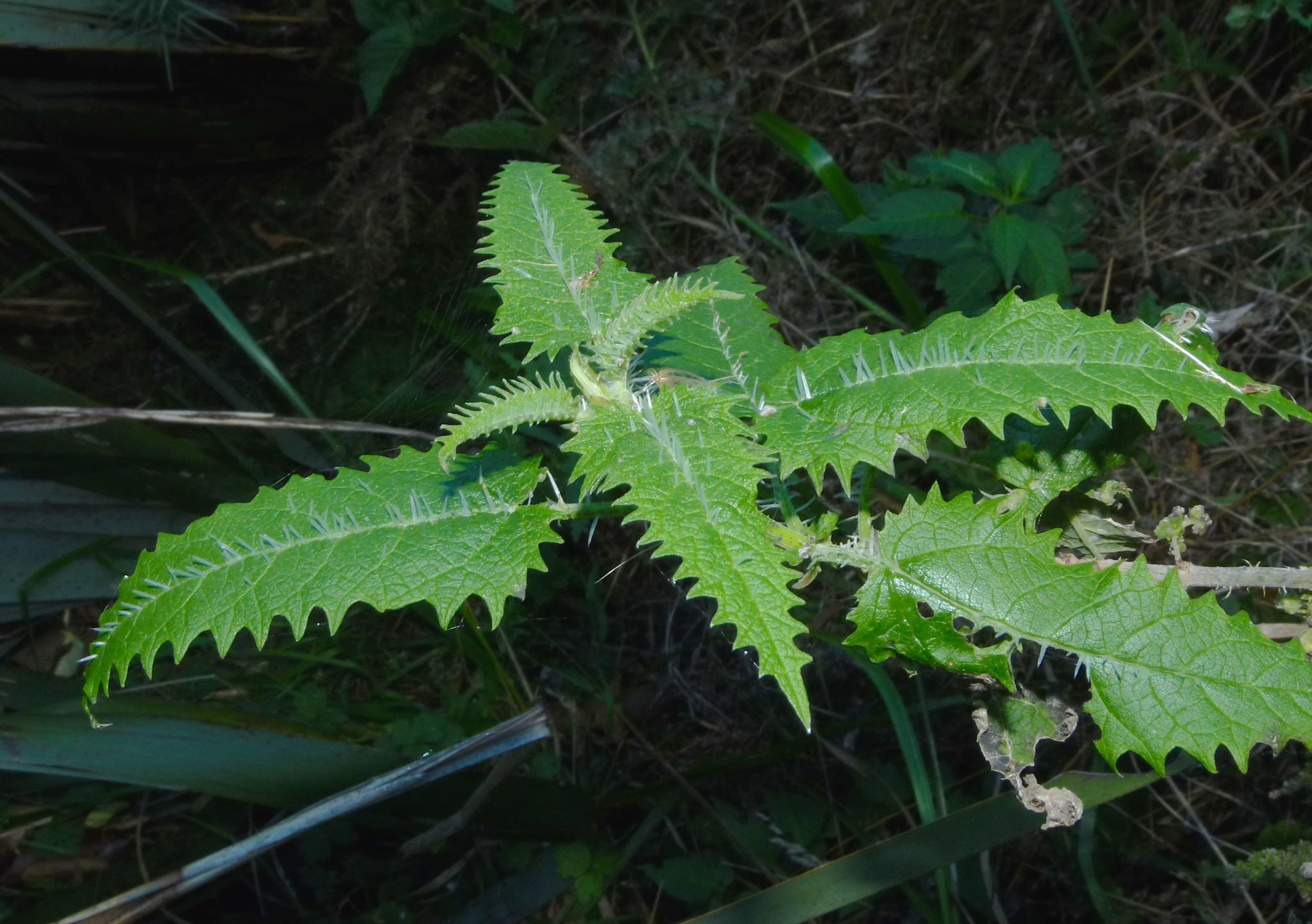
Possible effect and applications. This is one of the clearest species-material-to-neural-function chains, but its endpoint is harmful. Its upside is a defined sodium-channel research tool and better interpretation of exposure hazards, not a sedative or food lead.
Better understanding of the toxin can help interpret exposure injuries and improve sodium-channel research. Such research could inform the design of future pain treatments, but a pain-producing toxin is not itself an established analgesic. The immediate practical value is harm prevention and better characterization of peripheral nerve injury.
Evidence and mechanism. Purified urticatoxin β/δ-Uf2a changes voltage-gated sodium-channel activation/inactivation, with prominent human NaV1.6 activity and mouse pain/systemic signs. Rat trichome-fluid studies show transient peripheral neuropathy; a separate thionin is cytotoxic. An abstract-level human cluster reports motor polyneuropathy after walking through ongaonga, abnormal nerve-conduction measurements and recovery over weeks. Three exposed people were one event, not three independent studies. Historical toxic fractions/local analgesia lack an identified causal molecule.
Confidence and next research. High in peripheral neuroactivity/toxicity; low in a beneficial therapeutic inference. Match peptide identity, isoform selectivity and injury/exposure windows, and recover full case/material details. Keep peripheral neuropathy separate from CNS psychoactivity. Human case.
B13Coriaria arborea — tutu
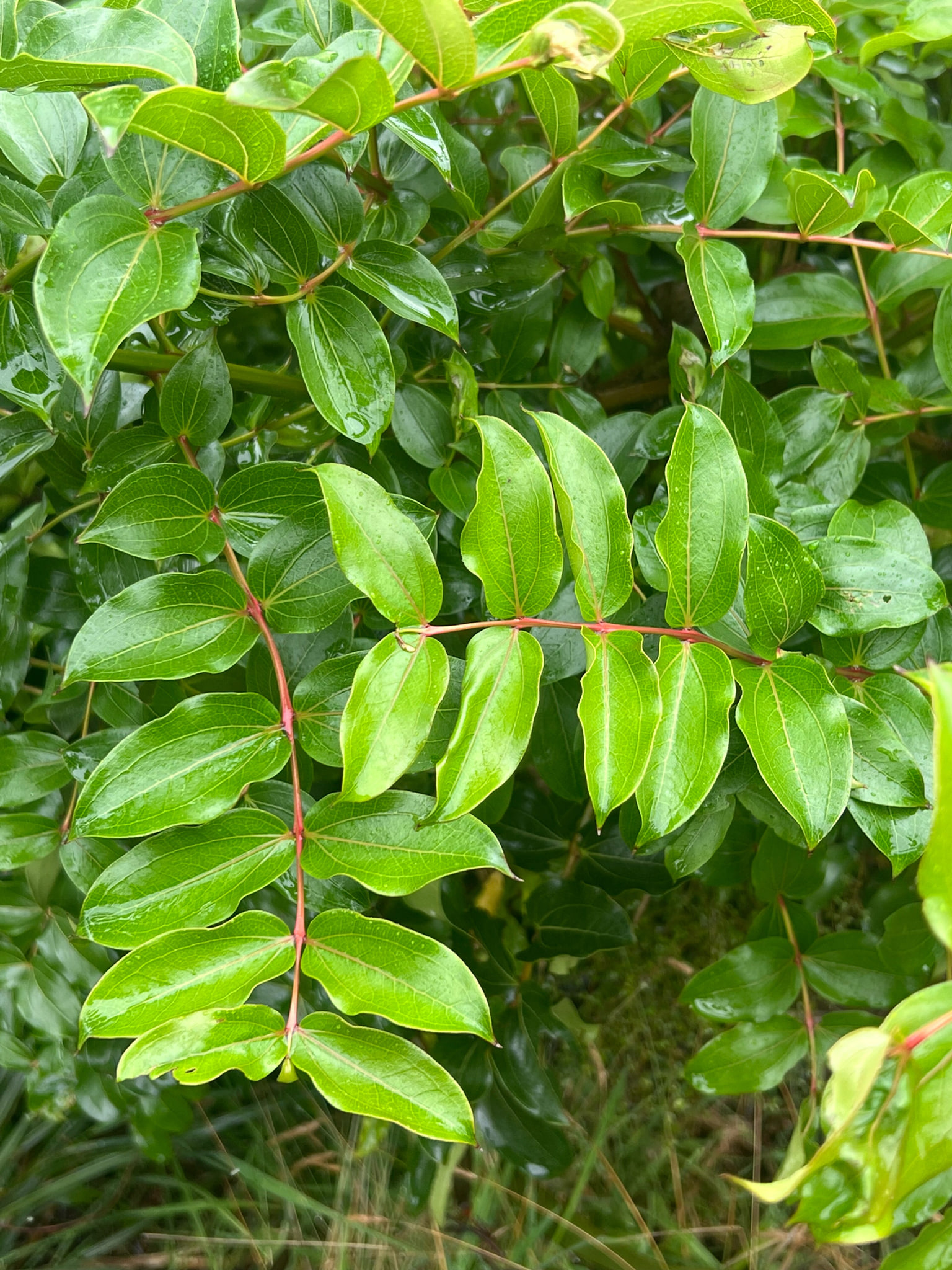
Possible effect and applications. Tutin is an established convulsant hazard. Precise source chemistry helps explain exposure risk; it does not demonstrate desirable psychoactivity.
The useful human application is poisoning prevention: identifying relevant tissues and exposures can improve food-safety assessment and toxin monitoring. More specific analytical evidence could help avoid severe neurological injury. No desirable recreational, entheogenic or therapeutic effect has been demonstrated for tutin-containing material.
Evidence and mechanism. Inhibitory-receptor antagonism is the mechanistic background. The analytical study reports free tutin in the paper's berry-category samples: 12 samples, mean 0.84 mg/g dry weight, range 0.07–1.84. This does not distinguish seeds from fleshy tissue or identify what was consumed in an earlier poisoning. Historical purified-tutin experiments are one research series, not duplicated independent support.
Confidence and next research. High in the bounded chemical result and neurotoxic context. Recover tissue-separated original sampling/analytical detail and preserve preparation-specific exposure. No beneficial lower-exposure window was established by this work.
B14Corynocarpus laevigatus — karaka

Possible effect and applications. The work improves toxin-form and tissue interpretation for a traditionally processed food species; it does not establish a useful psychoactive exposure.
Preparation-specific chemistry could help evaluate food-processing methods and reduce poisoning risk while informing research on a culturally important food resource. A reliable food ingredient would require evidence for the actual processed material and its residual toxins. The neurological toxicity does not offer a beneficial recreational or medicinal use.
Evidence and mechanism. Nitropropanoate-bearing glycosides and released 3-nitropropionic acid are the main chemical hypothesis. One assay hydrolysed esters and measured released acid, rather than quantifying intact glycosides. Poisoning/bee weakness and an incompletely attributable berry-ingestion human report remain distinct evidence. Ripe-fruit ethanol headspace does not quantify an intoxicating plant exposure; pure-ethanol learning studies cannot repair that gap.
Confidence and next research. Moderate-to-high in the toxin-form distinction, low in any beneficial CNS claim. Recover intact-form, tissue and preparation-specific analytical data; keep fermentation volatiles separate from native toxin chemistry.
B15Brachyglottis repanda; Myoporum laetum; Hedycarya arborea
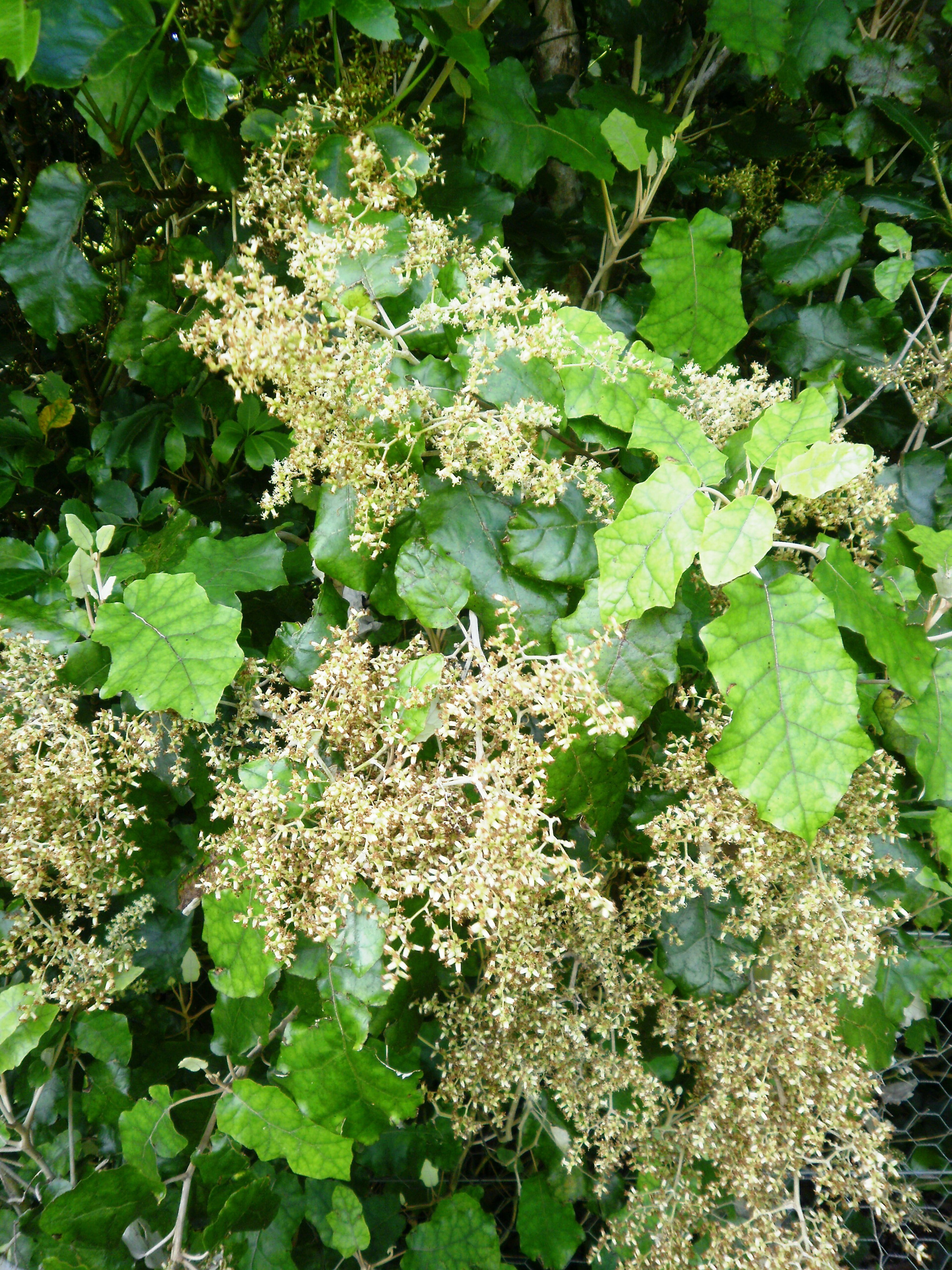
Possible effect and applications. These are useful toxicology boundaries: observable behaviour can arise during systemic illness without a selective neural mechanism.
The practical benefits are animal welfare, better exposure diagnosis and potentially reduced livestock losses. Farmers could save money if accurate species and exposure information leads to effective prevention. Systemic illness and impaired movement are not grounds for developing a sedative or mood product for people.
Evidence and confidence. Rangiora reports describe suspected livestock exposure with staggering/inability to stand. Exact ngaio leaf-exposure papers report depression or nervousness alongside jaundice/liver lesions, supporting a systemic illness interpretation. Connor's Hedycarya feeding report found sheep lethality but not cattle lethality under its conditions, without establishing a causal neural constituent. Confidence is moderate in source-specific adverse outcomes, low in CNS selectivity.
Next research. Preserve exposure certainty, organism, timing and liver/systemic findings. A specific material-to-neural mechanism or independent clinical dataset would be needed to reconsider therapeutic potential; these do not currently offer a desirable mood/sedation lead.
B16Poa matthewsii–Epichloë; Echinopogon ovatus–Epichloë; other grass/host boundaries
Possible effect and applications. Native grass/endophyte chemistry is useful for ecology and toxin-source research, but is not a confirmed human psychoactive lead.
A longer-term application is selecting plant–fungus combinations with useful pest resistance while reducing livestock toxin exposure. That could improve pasture performance, animal welfare and farm economics if validated for the exact strain and host. Association markers alone do not establish those advantages or a human psychoactive ingredient.
Evidence and mechanisms. Host-tissue/infection contrasts report peramine, ergovaline, N-formylloline and indole-diterpene immunoassay signals. Strain/producer and some configurations remain uncertain; paxilline-equivalent immunoreactivity is not exact paxilline detection. Poa pathway markers and measured ergovaline do not fully agree. Dichelachne/Pentapogon association markers alone do not quantify metabolites. Carex imbecilla host/fungus attribution is complicated by a Poa/Carex-name collision and shared collection provenance; two herbarium sheets were one field event, with no resolved fungal accession, molecule or effect.
Confidence and next research. Moderate in bounded ecological chemistry, low in human or exact-producer inference. Join explicit host, fungal strain and analyte measurements; never promote an association marker or voucher without that chain.
B17Sticherus cunninghamii; Hoheria populnea/glabrata; Plagiopus oederianus
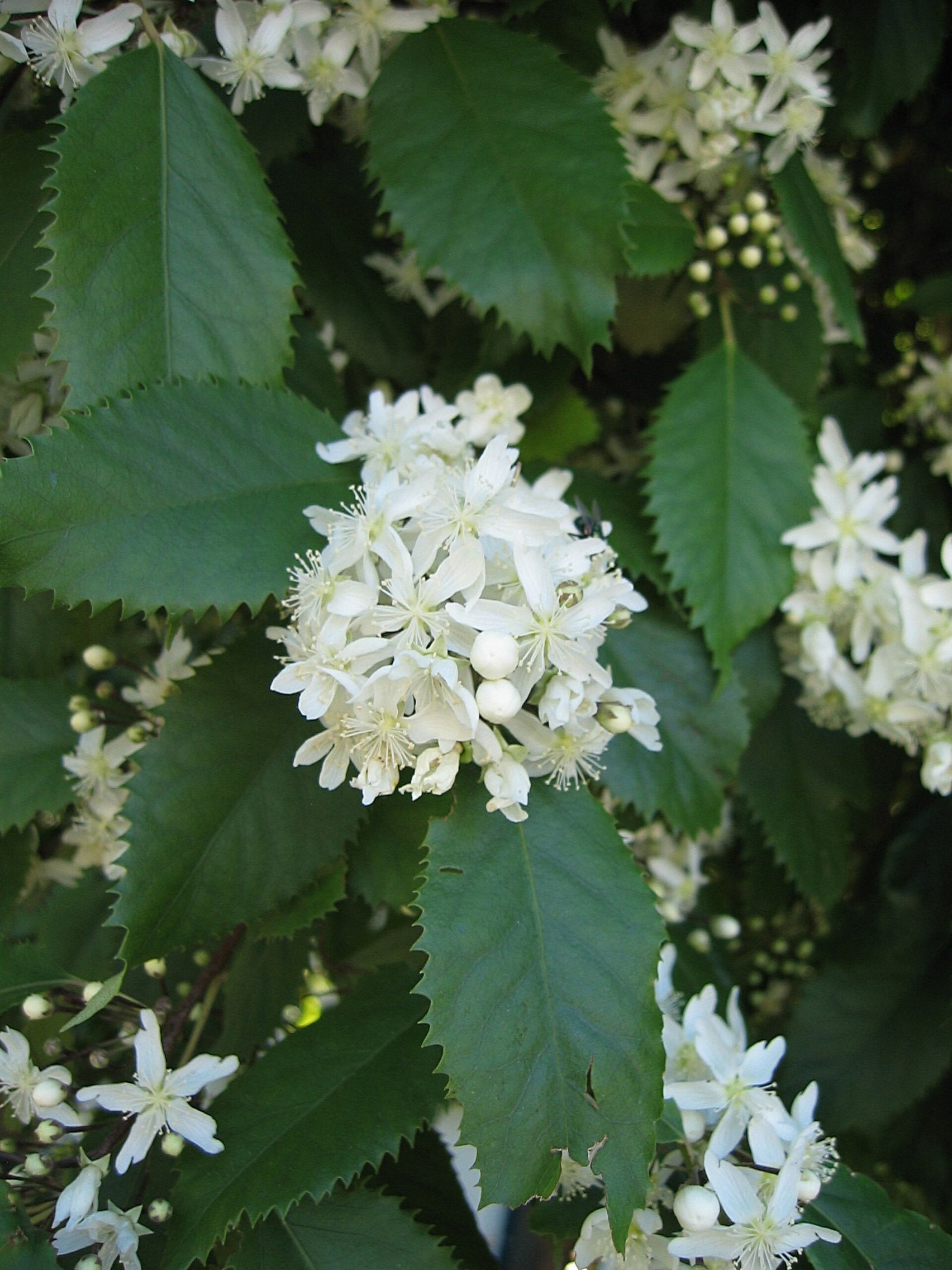
Possible effect and applications. These claims are worth preserving as traceable archival questions, but none is an established beneficial effect.
The human goals behind these accounts are relief of disturbed sleep or distress. If an authenticated preparation eventually shows a selective benefit, it could motivate a defined medicinal ingredient. At present the archival claims do not establish a sleep supplement, narcotic effect or clinical treatment.
Evidence and confidence. Sticherus has a “powerful narcotic” sap note attributed to Charles Jeffs on an 1888 Te Papa specimen; independent corroboration is not established. Hoheria's sedative story is a repeated second-hand lineage; the H. glabrata gossypol citation concerned Gossypieae. Plagiopus oederi/oederianus traditional sedation accounts and multi-herb Chinese patents have unresolved botanical naming, ingredient attribution and independently unverified cohorts. Patent numbers and large claimed patient counts are not clinical confirmation. Confidence is low in efficacy, higher in the source-lineage limits.
Next research. Authenticate the specimen note and earliest houi account, and determine whether the patent cohort has an independent clinical record. Establish compounds and preparation before proposing a neural mechanism. The archival terms themselves do not define sleep, intoxication or anxiety relief.
B18Parietaria debilis
Possible effect and applications. The ethnobotanical accounts suggest specific preparation and symptom questions, with attribution limits that constrain interpretation.
The reported uses suggest research goals of easing anxiety or migraine-related discomfort and improving everyday quality of life. A useful medicine or supplement would require showing that this species contributes to the effect in a defined preparation. The mixed-herb account does not currently demonstrate that contribution.
Evidence and confidence. A survey records aerial parts in a multi-species cold-water tereré preparation for anxiety/nervous tension; it neither isolates Parietaria's contribution nor measures a human effect. An Eviya manuscript links o-lolo leaves to migraine/side pain, while a database's o-voka/dog-mange entry belongs to Persea in that source. Confidence is low for efficacy, with the correction preventing an additional false use claim.
Next research. Trace source preparation and identity; do not infer a sedative constituent or transfer a multi-herb effect to this species.
B19Morchella; Armillaria; Pholiota multicingulata
Possible effect and applications. Genus/species-resolved illness records help distinguish genuine neurological syndromes from ordinary gastrointestinal toxicity.
The practical application is better food safety and diagnosis of mushroom-related illness, potentially reducing neurological harm and unnecessary uncertainty in clinical care. Accurate taxon and case attribution can improve prevention. An illness syndrome is not evidence of a desirable recreational or therapeutic effect.
Evidence and confidence. A French morel case series describes 129 neurological and 146 gastrointestinal cases without exact-species vouchers; it cannot establish M. tasmanica activity. A Wisconsin Armillaria series had mostly gastrointestinal symptoms; two initially coded cases were actually Gymnopilus and excluded, so it supplies no A. aotearoa psychoactive result. Chinese Pholiota multicingulata surveillance classifies incidents as gastroenteritis, with attribution and co-consumption limitations. Confidence is moderate in the reported syndromes, low in native-species CNS inference.
The morel series and Armillaria series provide abstract/preview-level evidence here; the China CDC surveillance supplement provides directly accessible surveillance detail.
Next research. Preserve case-confirmation and taxon resolution; do not infer desirable psychoactivity from a poisoning label or assign genus-level morel outcomes to a particular native species.
B20Paratrophis microphylla; P. banksii/P. smithii and Moraceae comparators
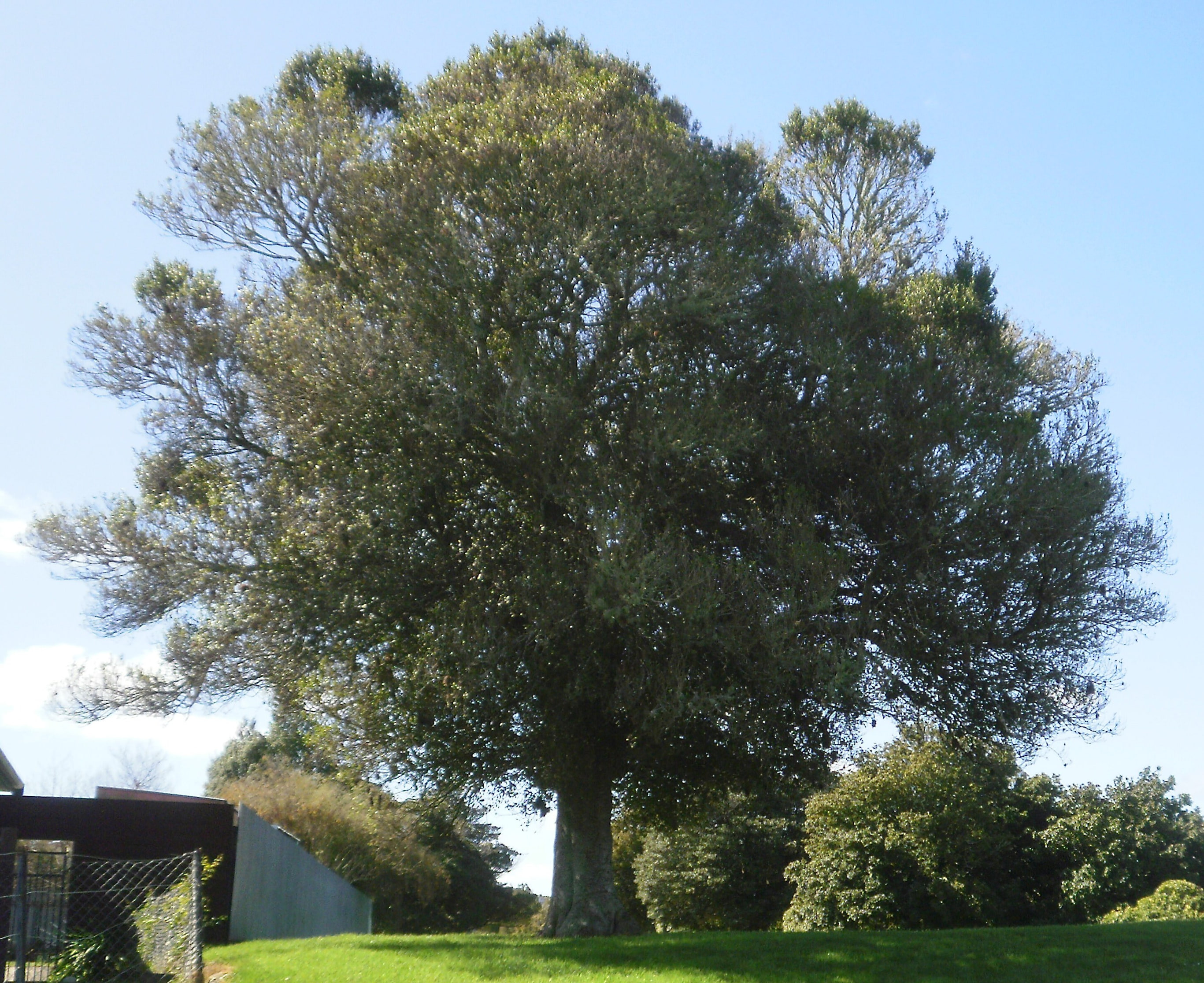
Possible effect and applications. Tūrepo could be an exploratory native ingredient, possibly with sensory or processing value. Bulk nutrition or a dairy substitute remains speculative. The potential application concerns food and nutrition.
If composition, food-sized safety and sustainable yield prove favourable, tūrepo could become a distinctive native food ingredient with sensory or processing value. A specialty product might create cultivation and manufacturing opportunities. A nutritious dairy alternative, cheaper food supply or substantial new industry would require quantitative evidence that is currently missing; related-tree latex composition cannot establish those outcomes.
Chemistry and taxonomic mechanism. The names Streblus microphylla/heterophyllus resolve to P. microphylla. A phylogenomic revision separates the old broad Streblus grouping, so Asian S. asper is not a current congener. Milky latex appearance says nothing about protein, digestible fat or toxic constituents.
Evidence and confidence. A 1958 account documents slow latex oozing; milk-in-tea accounts are secondary historical reports without a verified original ingestion record or useful exposure data. No quantitative target-species latex nutrient profile, sustainable yield or food-sized safety evidence was found. Amazonian Brosimum parinarioides latex had 34.64 g lipids and 2.14 g protein per 100 g in one limited study. Its water/lipid/protein/ash/carbohydrate total closes at 100 g; adding fibre separately would double-count carbohydrate. These measurements cannot forecast tūrepo. S. asper leaf/fruit measurements are different tissues, with fresh/dry and carbohydrate inconsistencies; cardiac glycosides in that species and bufotenine in B. acutifolium are hazard-comparison findings, not target-species detections.
Confidence and next research. High in the identity/analytical distinctions, low in nutritional feasibility. Trace original use records, curate tissue-specific chemistry and sequence resources, and model recoverable nutrient yield with explicit unknowns. The useful near-term work is resolving composition/hazard/yield evidence, not structure prediction of an unidentified latex mixture. phylogenomic revision, latex composition.
B21Prototroctes oxyrhynchus — upokororo; Retropinnidae comparators
Possible effect and applications. Historical localities and genetic relationships support a focused strategy for assessing whether any upokororo population survives. Rediscovery would have major conservation significance, but no surviving fish or defensible survival probability is established here. This entry concerns ecology and detection, not chemical mechanisms.
Rediscovery, if any surviving population exists, would allow conservation planning for an endemic fish and could support restoration of cultural and ecological relationships with waterways. Better locality and genetic-reference information can make existing-data analysis and eventual surveys more efficient, avoiding poorly targeted expenditure. Habitat restoration and conservation work could benefit communities, but neither surviving fish nor a recovery pathway has been demonstrated.
Biological mechanisms and evidence. Ancient mitochondrial DNA identifies Australian P. maraena as the best living comparator, rather than northern Thymallus graylings. A connected river–estuary–coast life cycle is a useful search hypothesis; the relatives do not establish identical NZ migration or spawning. Original history places the late catch in Waiapu, not Waipu, and Allen's Tūranganui refers to South Wairarapa, not Gisborne. Those corrections change where to search. The source-backed initial shortlist is Wharekahika, Awatere near Te Araroa and Waiapu, followed by Wahapo–Ōkārito/Hokitika, with Tūranganui as another historical lead. The cited national assessment classifies the species as Extinct.
Genetic discovery and confidence. Some deposited mitogenomes contain substantial unknown-base content; ON220596.1 is currently labelled partial despite a complete-assembly description in the paper. Reference length alone is not a validated marker. Confidence is high in the locality/reference corrections, moderate in provisional survey prioritisation, very low in implied survival.
Next research. Reanalyse existing freshwater survey/eDNA data, assemble voucher-backed historical coordinates, align references and compare short marker candidates against NZ/Australian graylings and smelts. Validate detection performance before considering field surveys. The proposed seasonal visits, river stations and sampling design remain proposals, not completed tests. ancient-DNA paper.
Research priorities across the portfolio
The next work should resolve bottlenecks that can change a ranking. For the strongest overlooked leads, those are independent native chemistry for arctigenin, complete amentoflavone endpoint/exposure methods, huperzine trial heterogeneity, exact kānuka volatile-to-sleep correspondence, and isofraxidin movement/sample accounting. For familiar leads, the highest-value questions are cytisine source variability, natural PET configuration and independent pharmacology, PCSO-524 prespecification/replication, and Tetragonia preparation-matched behavioural controls. Neurite and cell-injury candidates need a real neuronal-function bridge before behavioural or product claims.
Useful computational work includes source recovery, taxonomic and stereochemical reconciliation, reanalysis of published group-level or individual data where available, exposure-versus-potency comparison, and mining existing chemistry/sequence datasets. A docking or protein-structure prediction would remain a prediction: it cannot authenticate a botanical sample, establish blood-brain exposure, rescue an uninterpretable behavioural endpoint or demonstrate a human effect. For tūrepo, pursue tissue-specific composition and sustainable-yield evidence; for grayling, reanalyse existing survey/eDNA material and validate sequence references and marker discrimination first.
Several leads should stay parked until genuinely independent evidence becomes available. Incomplete evidence cannot establish biological absence. More papers about a familiar compound have little value when the missing link is the native species, native chemical form or tested preparation. Conversely, a well-supported correction is useful even when it lowers a lead's rank.
Evidence and source limitations
What the evidence establishes. Chemical detection, enzyme or receptor activity, neuronal function, animal behaviour, ecological toxicity and human outcomes answer different questions. A compound detected in a species may have been tested separately as a purified reagent; that does not show that the plant, fungus or seaweed produces the same exposure or benefit. Overseas chemistry may not represent New Zealand populations, and closely related species cannot substitute for authenticated material.
Strength and independence. Full-text studies provide more assessable detail than abstracts, previews or historical accounts; decisive limitations are stated alongside each finding. Several outcomes from one experiment, repeated patent data, technical replicates and studies from overlapping investigator groups are not independent confirmation. Chemical configuration, native free versus derivative form, movement confounds and clinically relevant exposure remain important uncertainties. Total brain detection is not the same as unbound concentration at the target.
Potential applications. Proposed medicines, supplements and industries are development possibilities, not demonstrated products. Better tolerability, lower cost, sustainable supply and improved quality of life require direct evidence. The strongest clinical claims concern the specific manufactured products and populations tested. The overlooked leads have not established a safe, effective whole-species human preparation; tūrepo lacks nutrient, yield and food-sized safety data, and no upokororo rediscovery is established.
Species illustrations. Photographs illustrate the named species, rather than the material used in the cited assays, except for the published Radula marginata plate, which depicts material from its voucher-linked chemistry study. Museum specimens, botanical-garden plants and documented field photographs are credited individually, with source and licence links. Captions identify the exact pictured member of grouped entries and retain source-era synonyms where relevant. Images are resized and JPEG-compressed without cropping; each image retains its stated licence. The Radula plate is licensed for noncommercial reuse. Taxa without a sufficiently confident image identification are left unillustrated.